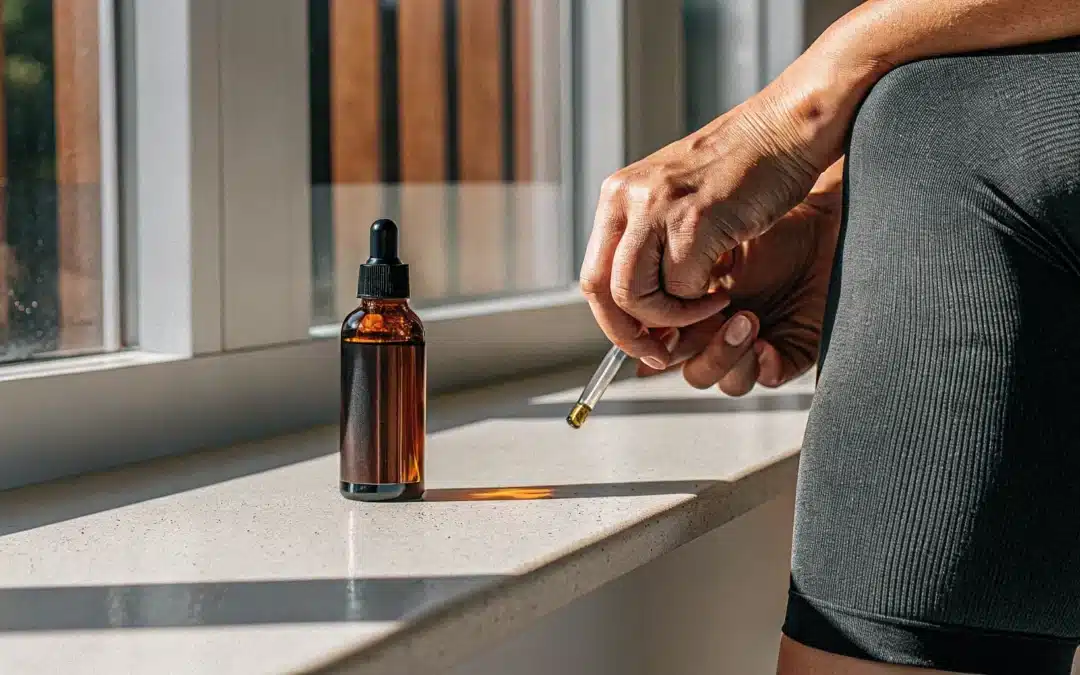
Not all hand pain is created equal. The dull ache in your knuckles from arthritis feels completely different from the sharp strain in your wrist after a long day of typing. So why would you use a one-size-fits-all solution? Finding the right topical analgesic for hands means matching the formula to your specific discomfort. A cream designed for deep joint support works differently than one made for quick muscle recovery. Let’s break down the common types of hand pain and pinpoint the key ingredients you need to get the relief you deserve.
Key Takeaways
- Focus on the Formula: Effective relief comes from proven active ingredients like menthol and camphor. Look for products that also include supportive botanicals, such as terpenes and cannabinoids, to enhance the overall effect.
- Match the Product to Your Needs: Select a strength that aligns with your level of discomfort and choose an application method—like a mess-free roll-on for the office or a balm for at-home massage—that fits your lifestyle.
- Shop Smart for Quality and Value: Look beyond the price by reading customer reviews for real-world feedback, taking advantage of bundles for savings, and choosing brands that provide third-party lab results for transparency.
How to Find the Best Topical Analgesic for Your Hands
When your hands are aching, the last thing you want is to spend hours scrolling through endless options for pain relief creams. It can feel overwhelming, but finding the right topical doesn’t have to be complicated. It really comes down to a few key things: the ingredients, how it’s made, and how you plan to use it.
First, look at the active ingredients. You want something with proven, fast-acting compounds. Menthol and camphor are the heavy hitters here, providing that classic cooling and warming sensation that tells your muscles and joints to relax. Beyond that, look for formulas that include supportive natural ingredients. Many people find that terpenes and cannabinoids, like those found in broad and full-spectrum hemp extracts, enhance the overall effect.
Next, consider the formulation. How a product is made directly impacts how well it works. Some brands use advanced techniques like Nano Boost Technology to help the ingredients absorb more deeply and quickly. Also, think about what strength you need. A mild ache after a day of typing is different from chronic joint stiffness. A good brand will offer different options so you can choose the right strength for your specific needs. Finally, don’t forget about quality. Always choose products that are third-party tested for purity and consistency, so you know exactly what you’re putting on your skin.
Which Ingredients Actually Work for Hand Pain?
When you’re dealing with hand pain, grabbing the first cream you see on the shelf is tempting. But if you want real relief, it pays to flip the container over and read the ingredients list. The effectiveness of any topical analgesic comes down to its active ingredients—the compounds doing the heavy lifting to soothe your aches. Some ingredients provide a cooling sensation, others offer deep warmth, and some work in more complex ways to support your body’s response to discomfort. Understanding what these key players are and how they work is the first step to finding a product that truly meets your needs, whether you’re dealing with stiff knuckles, a tired wrist, or general soreness after a long day. Let’s break down the most common and effective ingredients you’ll find in hand pain formulas.
Menthol: The Go-To for Cooling Comfort
Menthol is often the first sensation you feel when you apply a topical analgesic. Derived from mint plants, it creates a cooling effect on the skin that provides an immediate sense of relief. According to Harvard Health, this cooling sensation can help distract your brain from the underlying pain signals. Think of it as a welcome interruption for your overworked hands. This initial blast of coolness is perfect for dulling sharp aches and calming down irritated joints, giving you fast-acting comfort while other ingredients get to work on a deeper level. It’s that refreshing feeling that lets you know relief is on the way.
Camphor: Your Source for Deep, Soothing Warmth
While menthol cools, camphor does the opposite: it provides a gentle, penetrating warmth. This ingredient, which comes from the bark of the camphor tree, works by creating a warming sensation that helps soothe sore muscles and joints. This comforting warmth can increase blood flow to the area, which helps relax stiff, achy hands. As noted by MedCentral, this warming effect is a key reason camphor is so common in pain relief products. It’s the perfect counterpart to menthol’s cooling rush, delivering a one-two punch that both distracts from and eases discomfort.
Lidocaine: For Fast-Acting Numbing
You might see lidocaine listed as an active ingredient in some pain relief creams. It’s a local anesthetic that works by blocking nerve signals to numb the area you apply it to. This can provide very quick, targeted relief, which is why it’s used in some over-the-counter products. However, its primary function is numbing, which is different from the soothing and relaxing properties of ingredients like menthol and camphor. While effective for some, many people prefer formulas that work with the body’s natural processes. At Dragon, we focus on plant-based ingredients that provide comfort without a purely numbing effect.
Topical NSAIDs (like Diclofenac)
You’ve probably heard of NSAIDs, or Nonsteroidal Anti-inflammatory Drugs, like ibuprofen that you take in pill form. Topical NSAIDs deliver similar ingredients, like diclofenac, through a cream or gel applied directly to the skin. According to the Mayo Clinic, these products work by reducing both pain and swelling in the targeted area. Because they are absorbed through the skin, they generally have a lower risk of causing the stomach or heart issues that can sometimes be associated with their oral counterparts. This makes them a popular choice for localized joint pain, and you can find many of them, like Voltaren, available over the counter.
Capsaicin-Based Creams
If you’ve ever wondered what gives chili peppers their heat, the answer is capsaicin—and it’s also an active ingredient in some pain relief creams. Capsaicin works in a unique way by blocking pain signals from your nerves. It essentially depletes the chemical messenger that tells your brain you’re feeling pain. While it can be effective, it’s not always an instant fix. The Mayo Clinic notes that it can take up to two weeks of consistent, daily application to feel the full effects. It also creates a strong heating sensation that some people love and others find a bit intense, so it often comes down to personal preference.
Salicylates (Aspirin Relatives)
Salicylates are another common ingredient you’ll find in many well-known topical analgesics, including brands like Aspercreme and Bengay. These compounds are chemically related to the main ingredient in aspirin and work to provide mild pain relief. They are often combined with other active ingredients, like menthol or camphor, to create a more comprehensive formula. While they can help take the edge off minor aches and pains in the hands and wrists, they are generally considered a milder option compared to some of the other ingredients we’ve discussed. They are best suited for occasional soreness rather than more persistent or intense discomfort.
Comparing Ingredient Effectiveness: What the Science Says
So, with all these options, which one is truly the best? The answer often depends on your specific needs and what works for your body. Scientifically speaking, the Mayo Clinic reports that topical NSAIDs have the most robust research backing their effectiveness and safety for conditions like arthritis. However, effectiveness isn’t just about clinical studies; it’s also about your personal experience. Many people prefer the immediate sensory feedback from counterirritants like menthol and camphor, which provide fast-acting cooling and warming sensations that distract from pain. Ultimately, the best topical analgesic for your hands is the one that gives you reliable comfort and fits seamlessly into your daily routine.
Terpenes: The Power of Plant-Based Support
You may have heard about terpenes in relation to essential oils, but they’re becoming a star player in pain relief, too. These are the aromatic compounds found in plants that give them their unique scents, like the piney smell of a forest or the citrusy burst from a lemon. But they do more than just smell good. Research suggests that terpenes have their own therapeutic properties that can help manage discomfort. When included in a topical formula, they work synergistically with active ingredients like menthol and camphor to enhance the overall effect. Our formulas harness a blend of these powerful plant-based ingredients to provide comprehensive support for your hands.
Find the Right Topical for Your Specific Hand Pain
Not all hand pain is the same, so your relief shouldn’t be one-size-fits-all. Whether you’re dealing with the deep ache of arthritis or the sharp twinge of a strained muscle, the right topical can make a world of difference. The key is to match the formula and ingredients to your specific type of discomfort. By understanding what’s causing your pain, you can choose a product that targets the issue directly, giving you faster and more effective results. Let’s break down the common types of hand pain and what to look for in a topical analgesic to get the relief you need.
Dealing with Arthritis and Stiff Joints?
If you’re managing the daily stiffness and aches of arthritis, you need a topical that offers consistent, deep-seated relief. Research from the National Institutes of Health suggests that topical analgesics are an ideal first-line option for managing this kind of discomfort due to their effectiveness and ease of use. Look for formulas with active ingredients like menthol and camphor that create soothing sensations to calm angry joints. For persistent issues, consider a Maximum Strength formula. These often include supportive, full-spectrum cannabinoids that work alongside the active ingredients to help you manage daily joint stiffness and get back to your routine with more comfort.
Struggling with Carpal Tunnel or Nerve Pain?
That tingling, numbness, or dull ache from carpal tunnel requires a different approach. This type of discomfort often comes from repetitive motion, like typing or manual work. You need something that’s easy to apply throughout the day without creating a mess. According to Harvard Health, topical analgesics can be applied multiple times daily to manage mild to moderate pain. A no-mess Roll-Up is perfect for this, allowing you to target the wrist and forearm precisely. The cooling and warming effects of menthol and camphor can help soothe the area, providing a welcome distraction from the persistent nerve-related sensations.
Got Muscle Strain or Overuse Aches?
Whether you overdid it at the gym, in the garden, or on a weekend project, strained hand and wrist muscles need immediate attention. For this kind of acute discomfort, you want a fast-acting formula that helps soothe soreness. Studies have shown that topicals containing ingredients like menthol provide effective relief for sprains and strains. The cooling sensation helps calm the initial feeling of overuse, while the warming properties of camphor penetrate deeply to ease muscle tightness. An Extra Strength balm is a great choice for massaging directly into the sore spots to help your muscles recover.
Tackling Everyday Aches and Soreness
Sometimes, your hands are just sore from a long day of texting, carrying groceries, or playing with your kids. For these minor but annoying aches, you don’t need the strongest formula on the shelf, but you do want something that works. It’s a myth that topical pain management is ineffective for minor issues; in fact, it can be a highly effective tool. A Regular Strength topical with menthol is perfect for providing quick, cooling relief. Keeping a small jar or travel-sized stick in your bag or on your nightstand ensures you have reliable support right when you need it.
Why These Ingredients Are Non-Negotiable
When you’re searching for a topical analgesic for your hands, the ingredient list is your best friend. It’s what separates a truly effective formula from one that just feels greasy. The best products rely on a thoughtful combination of active ingredients that work together to provide comfort. You’ll want to look for proven compounds like menthol and camphor, which are the power players responsible for that soothing sensation. But the formula doesn’t stop there. Other plant-based compounds, like terpenes and cannabinoids, can offer added support, while modern delivery systems ensure all those benefits and ingredients get exactly where they need to go. Let’s break down the key players you should look for on the label.
Menthol: Your Cooling Powerhouse
If you’ve ever used a topical rub, you’re probably familiar with menthol’s signature cooling tingle. This is by design. Menthol is a popular ingredient in topical analgesics because it creates a cooling sensation that can help distract from feelings of discomfort. According to research published by the National Institutes of Health, it works by activating cold-sensitive receptors in the skin, which provides a temporary sense of relief. This immediate cooling effect is perfect for when your hands feel overworked and achy, offering a welcome and refreshing distraction so you can get back to your day.
Camphor: For That Deep, Penetrating Feeling
Working in harmony with menthol is camphor, another powerhouse ingredient that provides a gentle warming sensation. While menthol cools, camphor warms, creating a balanced feeling of comfort. This warming effect can help soothe stiff, tired joints and muscles in your hands and fingers. The combination of cooling and warming sensations is a classic approach to topical relief, as it helps to calm the area from multiple angles. This duo is the foundation of many effective formulas, including our Super CBD-Free Terpene Blend, which focuses on the power of these traditional botanicals.
Lidocaine: How It Targets and Numbs
You might also see products that contain lidocaine, which works a bit differently from menthol and camphor. Lidocaine is a local anesthetic that temporarily blocks nerve signals in the skin, creating a numbing effect in the area where it’s applied. This can be effective for localized discomfort, which is why it’s found in some over-the-counter patches and creams. While it’s a common choice, it focuses purely on numbing the area rather than providing the soothing, sensory relief that comes from plant-based ingredients like menthol and camphor.
Terpenes: How They Enhance the Formula
Terpenes are aromatic compounds found in plants that are responsible for their distinct scents—think of the smell of pine trees or lavender. But they do more than just smell nice. Research suggests terpenes can enhance the overall effectiveness of a topical formula. They work alongside other ingredients to create a more comprehensive effect. This is also where cannabinoids like CBD come in. When included in a formula, cannabinoids can provide added support, working with the terpenes and other active ingredients to help soothe and comfort your hands. You can choose your strength and cannabinoid profile to find the level of support that’s right for you.
Nano Technology: The Secret to Faster Absorption
An amazing formula doesn’t mean much if the ingredients can’t get where they need to go. That’s where delivery technology comes in. Some of the most advanced topicals use nano-emulsion, a process that breaks down the active ingredients into tiny, microscopic particles. These smaller particles can be absorbed through the skin more easily and efficiently. Our Nano Boost Technology ensures that the menthol, camphor, and other botanicals in our formulas are absorbed quickly, so you can feel the effects faster. This advanced delivery system helps you get the most out of every application.
Roll-On, Balm, or Lotion: Which Is Best for You?
Once you’ve found a formula with the right ingredients, the next step is choosing the best application method for your lifestyle. The way you apply a topical can make a big difference in convenience and effectiveness. Do you need something quick and mess-free for the office, or do you prefer a product you can massage into your hands at the end of the day?
Think about where and when your hand pain bothers you most. Is it during your morning workout, while typing at your desk, or after a long day of gardening? Each scenario might call for a different format. Dragon offers a variety of topical analgesics—including roll-ons, balms, lotions, and travel sizes—so you can find the perfect fit for your routine. Let’s look at the benefits of each so you can decide which one is right for you.
Roll-Ons: For Easy, Mess-Free Relief
If you need relief without getting your hands messy, a roll-on applicator is your best friend. The rollerball design lets you apply the product directly to specific spots—like a sore knuckle, a stiff wrist, or the base of your thumb—with total precision. It’s perfect for use at work or in the car because the formula goes exactly where you want it, and your hands stay clean. Since experts at Harvard Health suggest topicals can be applied multiple times a day for consistent comfort, the convenience of a roll-on makes reapplication simple and discreet.
Balms: Perfect for a Hands-On Approach
For those who prefer a more hands-on approach, a balm or jar is an excellent choice. Scooping the product out with your fingers allows you to control the amount you use and gives you the opportunity to massage it into your skin. This hands-on application does more than just deliver the active ingredients; the massage itself can help soothe tired muscles and stiff joints. Research has shown that topical formulas are highly effective for musculoskeletal conditions, and using a balm allows you to combine the benefits of the product with the therapeutic touch of massage for a more comprehensive relief experience.
Lotions: Your Go-To for Quick Application
When you need to cover a larger area quickly, a pain relief lotion is the way to go. Lotions have a lighter consistency than balms, allowing them to spread easily and absorb fast without leaving a greasy residue. This makes them ideal for applying to both hands, wrists, and even forearms after a long day of typing or physical activity. Studies published by the National Institutes of Health highlight that the ease of use of topicals makes them a great first-line option for managing pain. A lotion provides that simple, effective coverage you need to get on with your day.
Patches: For Continuous, Targeted Application
For those who need steady, around-the-clock support, patches offer a unique set-it-and-forget-it solution. These adhesive applications are designed to deliver active ingredients directly through the skin over several hours, making them a great option for chronic issues like arthritis. According to research from the National Institutes of Health, the sustained release from topical analgesics makes them an effective choice for managing persistent pain. This means you can apply one in the morning and feel confident that it’s working for you throughout your day, without needing to stop and reapply.
Many over-the-counter patches use a nonsteroidal anti-inflammatory drug (NSAID) like diclofenac as the active ingredient. This is the same type of medication found in oral pain relievers, but applying it topically has a key advantage. As the Mayo Clinic points out, topical NSAIDs can provide significant relief with fewer of the systemic side effects that can come with taking a pill. This makes patches a compelling choice for people who want targeted relief for a specific joint or area without the medication affecting their whole body.
Beyond the ingredients, the convenience of patches is a major draw. They are mess-free, stick securely under clothing, and don’t require any rubbing in. This makes them incredibly practical for busy days, workouts, or even overnight use. If you find that your hand pain is a constant companion, a patch can provide that continuous, low-maintenance background support that helps you stay focused on your life, not your discomfort. It’s another great tool to have in your pain management toolkit.
Travel-Friendly Options for Relief Anywhere
Pain doesn’t wait for a convenient time to show up, which is why having a portable solution is key. Travel-sized products are designed to fit perfectly in your purse, gym bag, or desk drawer, ensuring relief is always within reach. Whether you’re dealing with a flare-up while running errands or need support after a workout, having a travel-friendly option means you never have to be caught unprepared. Proper pain management often relies on timely application, and keeping a small roll-on or jar with you makes it easy to address discomfort the moment it starts.
How to Match the Strength to Your Pain Level
Just like you wouldn’t use a heavy-duty cleaner for a minor spill, you don’t need the strongest pain relief formula for every little ache. Finding the right topical analgesic is all about matching the strength to your specific level of discomfort. Using a formula that’s too weak might not give you the relief you need, while using one that’s too strong might be overkill. It’s about finding that “just right” balance to effectively manage your hand pain without overdoing it.
Think of it as a tiered approach. You start with the gentlest effective option and move up as your needs change. This ensures you’re getting targeted, efficient relief every time. Dragon offers several formulas designed for different needs, so you can easily choose your strength and find the perfect match. Whether you’re dealing with a bit of stiffness from a long day of typing or more significant joint discomfort, there’s a formula designed to help. Let’s break down how to pick the right one for you.
Regular Strength: Perfect for Everyday Aches
If you’re dealing with everyday mild aches—like stiffness after a few hours on the computer or minor soreness from gripping a steering wheel—our Regular Strength formula is the perfect place to start. This is your go-to for manageable, occasional discomfort. According to Harvard Health, topical analgesics are a convenient option that can be applied a few times a day to help control mild pain. Our Regular Strength formula combines the cooling power of menthol and camphor with CBD isolate, providing focused support right where you need it without being overwhelming. It’s the ideal choice for taking the edge off those daily annoyances.
Level Up to Extra Strength for Persistent Pain
When mild aches turn into more persistent soreness that sticks around, it’s time to step up to Extra Strength. This formula is designed for that next level of discomfort—think post-workout recovery, nagging joint pain that won’t quit, or the strain from a weekend of yard work. Research from the NIH suggests that for more acute conditions, you need formulations that can provide a greater level of relief. That’s why our Extra Strength blend includes Broad Spectrum CBD, which introduces other supportive cannabinoids (with no THC) to enhance the effects of the menthol and camphor, offering more comprehensive support for those tougher aches.
Maximum Strength: Your Option for Intense Discomfort
For chronic, intense, or deep-seated discomfort, you need our most powerful formula. This is where Maximum Strength comes in. It’s designed for those dealing with significant arthritis discomfort, deep muscle strain, or long-term pain that interferes with daily life. Studies have shown that for severe pain, more potent topical options are often the most effective first-line choice. Our Maximum Strength formula uses Full Spectrum hemp extract, which includes a complete range of cannabinoids, terpenes, and a trace amount of THC (<0.3%) to provide the most robust, synergistic support for the fast-acting relief from menthol and camphor.
How to Use Topical Analgesics Safely and Effectively
Getting the most out of your topical analgesic isn’t just about finding the right formula—it’s also about using it correctly. A great product can only do its job if you apply it properly and safely. Following a few simple guidelines ensures you get consistent, effective relief while minimizing any potential for skin irritation. Think of it as setting yourself up for success. From washing your hands to understanding how often you can apply it, these small steps make a big difference in your overall experience and help you manage your hand pain with confidence. Let’s walk through the best practices for using your topical so you can feel the full benefits.
Follow Application Instructions Carefully
This might seem obvious, but the instructions on the label are your most important guide. They’re there for a reason—to ensure you get safe, effective results. Always start by reading the recommended usage, including how much to apply and how often. The Mayo Clinic advises washing your hands with soap and water both before and after applying any topical medicine to prevent contamination and avoid accidentally getting it in your eyes. This simple habit is key to a safe and clean application every time, whether you’re using a balm from a jar or a convenient, mess-free roll-on.
Frequency and Dosing
One of the main benefits of topical analgesics is that they can often be applied multiple times throughout the day as needed. For many people, especially older adults, topicals can be just as effective as oral medications for managing discomfort. The key is consistency. Follow the product’s specific directions on frequency—some might recommend applying three to four times daily. Pay attention to how your body responds and adjust within the recommended limits. The goal is to maintain a steady level of comfort, especially when dealing with persistent aches from conditions like arthritis or repetitive strain.
Proper Application Rules
Proper application is straightforward but crucial. Always apply your topical to clean, dry skin. Most importantly, never use it on skin that is broken, cut, or irritated. Applying a product to damaged skin can lead to irritation and may cause the ingredients to be absorbed improperly. Gently rub the product in until it’s fully absorbed, unless you’re using a no-mess applicator like a Roll-Up. This ensures the active ingredients can get to work right where you need them. Following these simple rules helps you get targeted relief safely and effectively.
When to Expect Relief
Many people feel the effects of a topical analgesic quite quickly. Thanks to active ingredients like menthol and camphor, you’ll likely notice an immediate cooling or warming sensation that provides a welcome distraction from the discomfort. This initial feeling lets you know the product is working. For deeper, more lasting comfort, the supportive ingredients need a little time to absorb and do their job. Formulas that use advanced delivery systems, like our Nano Boost Technology, are designed for faster and more efficient absorption, helping you feel the full benefits sooner.
Important Safety Warnings and Side Effects
While over-the-counter topical analgesics are generally safe for most people, it’s important to remember that they are still medications. Being aware of potential side effects and following safety precautions is key to using them responsibly. Different ingredients come with different considerations, so understanding what’s in your product and how to use it correctly will help you avoid any issues. From simple rules like not applying heat to more specific warnings about certain ingredients, being informed is the best way to ensure your path to pain relief is a safe one. Always listen to your body and don’t hesitate to talk to a professional if you have concerns.
General Safety Rules for All Topicals
A few universal rules apply to almost all topical pain relievers. First and foremost, keep them away from your eyes, mouth, and other sensitive areas. If you apply the product with your hands, be sure to wash them thoroughly afterward to avoid accidental contact. It’s also important to store your products properly, away from extreme heat and out of reach of children and pets. These basic precautions help ensure that your experience with topical analgesics is both safe and effective, allowing you to focus on what matters most: feeling better.
Avoid Broken Skin, Heating Pads, and Tight Bandages
This is a big one: never apply a topical analgesic to broken, irritated, or damaged skin. It can cause stinging and further irritation. Additionally, the Mayo Clinic specifically warns against using them with a heating pad or a tight bandage. A heating pad can increase absorption of the ingredients to potentially unsafe levels and may even cause skin burns. Similarly, a tight bandage can trap heat and ingredients against the skin, leading to irritation. Let your skin breathe after application to allow the product to work as intended.
Understanding Potential Side Effects and Risks
Most people use topicals with no issues, but mild side effects like skin redness, itching, or a rash can occasionally occur. If you experience any irritation, it’s best to stop using the product and wash the area with soap and water. More serious side effects are rare but can be associated with specific types of ingredients, particularly topical NSAIDs. Knowing what to look for and understanding the ingredients in your chosen product will help you make an informed decision and use it with peace of mind. Always check the label for a full list of ingredients and potential warnings.
Serious Risks of Topical NSAIDs
Topical products containing nonsteroidal anti-inflammatory drugs (NSAIDs), like diclofenac, come with specific warnings. The Mayo Clinic notes that these medicines can increase the risk of serious issues like heart attack or stroke, especially for individuals who smoke, drink alcohol, are over 60, or have other health conditions. This is why many people prefer formulas that rely on counterirritants like menthol and camphor, which provide relief through soothing sensations rather than systemic NSAID action. Our Dragon formulas are proudly made without NSAIDs for this very reason.
Ingredient-Specific Precautions
It’s always smart to be aware of specific ingredients, especially if you have allergies or other health conditions. For example, some topicals contain salicylates, which are related to aspirin. If you are allergic to aspirin or take blood thinners, you should talk to your doctor before using any product containing salicylates. Reading the active and inactive ingredients list is a crucial step before trying any new product. This ensures the formula is a good fit for your body and your health needs, preventing any unwanted reactions.
When to Talk to Your Doctor
While topical analgesics are great for managing many types of hand pain, they aren’t a substitute for professional medical advice. If your pain is severe, doesn’t improve after a week of use, or is accompanied by swelling, redness, or a fever, it’s time to check in with your doctor. They can help diagnose the underlying cause of your pain and recommend a comprehensive treatment plan. Think of your doctor as your partner in health—they can help you use over-the-counter products safely and effectively as part of a broader strategy for your well-being.
Pregnancy and Sun Sensitivity
If you are pregnant, planning to become pregnant, or breastfeeding, it is especially important to talk to your doctor before using any new medication, including topicals. Some ingredients, particularly NSAIDs, can be harmful during late pregnancy. Additionally, certain ingredients in pain relief creams may make your skin more sensitive to the sun. If the product label includes a sun sensitivity warning, be sure to wear protective clothing or sunscreen on the treated areas when you go outside to avoid a sunburn.
Use on Children
When it comes to children, it’s always best to be extra cautious. Most topical analgesics are intended for adult use, and their safety for children hasn’t always been established. The general recommendation is to ask a doctor before using these products on a child under the age of 12. A pediatrician can provide guidance on the safest and most appropriate ways to manage your child’s pain, ensuring they get the right care for their specific needs and age.
Beyond Topicals: Other Ways to Manage Hand Pain
Topical analgesics are a fantastic tool for managing hand pain, but they’re often most effective when used as part of a larger wellness strategy. A holistic approach that combines different methods can provide more comprehensive and lasting relief. Depending on the cause and severity of your pain, this might include other medications, at-home care routines, physical therapy, or simple lifestyle changes. By exploring all the available options, you can build a personalized pain management plan that addresses your discomfort from every angle and helps you get back to doing the things you love with greater ease and comfort.
Oral Medications for Pain and Inflammation
For some types of hand pain, over-the-counter oral medications can be a helpful addition to your routine. Simple pain relievers like acetaminophen or NSAIDs such as ibuprofen can help reduce discomfort, especially when it’s accompanied by swelling. As noted by News Medical, these can be effective for managing pain from various sources. However, they can also come with side effects, which is why many people start with a topical solution first. If you do use oral medications, be sure to follow the dosage instructions and talk to your doctor if you need to use them for an extended period.
Physical Therapy and At-Home Care
Sometimes, the best approach involves more than just medication. A physical or occupational therapist can teach you specific exercises and stretches to strengthen the muscles in your hands and wrists, improve flexibility, and reduce pain. They can also recommend ergonomic adjustments for your workspace or daily activities to prevent further strain. Combining professional guidance with consistent at-home care, like gentle stretching and strengthening, can make a significant difference in managing chronic hand pain and preventing future flare-ups.
The RICE Method
For acute injuries like a sprain or strain, the RICE method is a tried-and-true first-aid technique. It stands for Rest, Ice, Compression, and Elevation. Rest your hand to avoid further injury. Apply an ice pack for about 15-20 minutes at a time to reduce swelling. Use a compression bandage to provide support, but be careful not to wrap it too tightly. Finally, elevate your hand above your heart to help minimize swelling. This simple protocol can be very effective in the initial stages of an injury.
Simple Lifestyle Adjustments
Small changes in your daily routine can have a big impact on hand pain. If you work at a computer, take frequent breaks to stretch your hands and wrists. If your pain is triggered by cold weather, be sure to wear gloves when you go outside. Using tools with ergonomic grips for gardening or cooking can also reduce strain. Paying attention to what triggers your pain and making simple, proactive adjustments can be one of the most powerful ways to manage your discomfort long-term.
Medical Treatments for Specific Conditions
If your hand pain is caused by an underlying medical condition like severe arthritis or an injury, your doctor might recommend more advanced treatments. These options are typically reserved for cases where conservative measures haven’t provided enough relief. From injections to surgery, these medical interventions are designed to address the root cause of the pain. It’s important to have an open conversation with your healthcare provider to understand all your options and create a treatment plan that’s right for you.
Corticosteroid Injections
For localized inflammation and pain, particularly in the joints, a doctor might suggest a corticosteroid injection. These shots deliver a powerful anti-inflammatory medication directly to the source of the discomfort. They can provide significant, though often temporary, relief from conditions like severe arthritis or tendonitis. While they can be very effective, they are typically used sparingly due to potential side effects with long-term use. This is a treatment that your doctor would administer in their office.
Treatments for Rheumatoid Arthritis and Gout
Conditions like rheumatoid arthritis and gout are systemic, meaning they affect your whole body, and require specialized medications. For rheumatoid arthritis, doctors may prescribe drugs known as DMARDs or biologics, which work to slow the disease’s progression and reduce pain. For gout, specific medications can help lower uric acid levels in the body to prevent painful flare-ups. These treatments are focused on managing the underlying disease, not just the symptoms.
Surgical Options
In serious or rare cases where other treatments have failed, surgery may be an option. This is usually considered a last resort for conditions like severe carpal tunnel syndrome, advanced arthritis that has destroyed a joint, or complex fractures. Surgical procedures can range from releasing a compressed nerve to fusing or replacing a damaged joint. The goal of surgery is to restore function and provide long-term pain relief when other, less invasive methods are no longer effective.
Hand Pain Cream Myths We Need to Debunk
When you’re dealing with hand pain, you just want something that works. But with so much conflicting information out there, it’s easy to get stuck. Let’s clear up some of the biggest misconceptions about topical pain relief so you can feel confident in your choice.
Myth: “They’re all the same.” (They’re not.)
Walking down the pharmacy aisle, it’s easy to assume all pain creams are basically interchangeable. This couldn’t be further from the truth. The effectiveness of a topical analgesic comes down to its formula—the specific active ingredients, their concentration, and how they’re delivered to your body. Many generic creams use minimal active ingredients, while premium formulas combine proven compounds like menthol and camphor with supportive botanicals. Advanced products even use technologies like our Nano Boost Technology to help ingredients absorb more deeply and get to work faster. Always check the label for active ingredients and look for brands that provide third-party lab results for quality assurance.
Myth: “Pills work better.” (Not always.)
It’s a common belief that to truly tackle pain, you need to take a pill. While oral medications have their place, they aren’t always the best or only option, especially for localized pain in your hands. Topicals deliver relief directly to the source, bypassing the digestive system and reducing the risk of systemic side effects. In fact, research suggests that for certain conditions like osteoarthritis, topical formulas can be just as effective as oral medications for reducing pain and improving function. Applying relief right where you hurt is a targeted, powerful approach to managing discomfort.
Myth: “Natural formulas aren’t as strong.” (Think again.)
Many people associate “natural” with “gentle” or “less potent,” but that’s a major misconception. Potent, effective pain relief can come directly from nature. Ingredients like menthol (from mint) and camphor (from camphor trees) are FDA-approved active ingredients that provide powerful cooling and warming sensations to soothe sore muscles and joints. When combined with other supportive botanicals and terpenes, these plant-based formulas can offer serious relief. Their favorable side effect profile is why some medical guidelines now recommend topicals as a first-line treatment for hand and knee pain, making them a smart and effective choice.
Myth: “You can become dependent on them.” (Let’s clear this up.)
The fear of dependency is valid when it comes to pain management, but it’s important to know where that risk truly lies. This concern is primarily associated with opioid medications, which are chemically very different from topical analgesics. The active ingredients in products like Dragon—menthol and camphor—work locally on the surface of your skin to disrupt pain signals. They are not addictive and do not carry the risks associated with long-term opioid use. You can feel confident using a high-quality topical cream as needed to manage your hand pain without worrying about dependency.
Shopping Smart: Getting the Best Value on Hand Pain Relief
Finding a hand pain topical that works for you is a huge win, but making sure it fits your budget is just as important. Getting the best value isn’t just about finding the lowest price—it’s about smart shopping strategies that save you money in the long run without sacrificing quality. From money-back guarantees to bulk discounts, there are several ways to make sure you’re getting the most out of every dollar.
Thinking strategically about where and how you buy can make a big difference. Buying directly from the brand often comes with unique perks, while bundling products can lead to significant savings. It’s also worth weighing the convenience of a subscription against the flexibility of buying as you go. Let’s break down how you can find effective, high-quality relief that’s also affordable.
Why You Should Always Buy Direct
Going straight to the source often provides the best overall value. When you buy directly from a brand’s website, you get more than just a product; you get peace of mind. Many companies promise satisfaction guarantees, allowing you to try their products risk-free. At Dragon, for example, we stand by our formulas with a 30-day money-back guarantee, so you can feel confident in your purchase.
Beyond guarantees, buying direct gives you access to the entire product line, including exclusive sizes or strengths you might not find in stores. You’ll also get the freshest product available and can connect with a customer service team that knows the formulas inside and out. It’s a great way to build a relationship with a brand you trust.
Save More with Bundles and Multi-Packs
Once you’ve found a topical that brings you consistent relief, buying in bulk is one of the easiest ways to save money. Instead of purchasing one item at a time, look for bundles or multi-packs. Brands often offer these at a discounted price per unit, which really adds up over time, especially if you use the product daily for chronic discomfort like arthritis or work-related strain.
This approach is not only cost-effective but also convenient. Stocking up ensures you always have relief when you need it, whether it’s a jar for your nightstand, a roll-up for your gym bag, and a travel size for your purse. Check out a brand’s bundles and packs to see how you can combine your favorite products for a better price.
Is a Subscription Service Worth It?
Subscription services can be a fantastic option for both savings and convenience. Many brands offer a “subscribe and save” model that gives you a discount on every order and automatically ships the product to your door on a schedule you choose. This “set it and forget it” approach means you’ll never have to worry about running out of your go-to relief balm.
A major benefit that’s often overlooked is that many topical analgesics are eligible for purchase with FSA or HSA funds. Using your Flexible Spending Account or Health Savings Account allows you to pay with pre-tax dollars, making your subscription even more affordable. If you rely on a product for daily management of hand pain, a subscription can be a smart financial move that simplifies your routine.
Online vs. Retail: Where to Find the Best Price
Deciding whether to buy online or at a retail store often comes down to what you value most: immediacy or information. Big-box stores make it easy to quickly compare different products on the shelf and take one home the same day. Plus, with options like in-store pickup or local delivery, retail offers a lot of flexibility for those who need relief right away.
However, shopping online directly from a brand gives you a deeper look into what you’re buying. You can read detailed ingredient lists, understand the science behind the formula, and review third-party lab results for quality and purity. Online stores also tend to run exclusive promotions and offer a wider selection, giving you more opportunities to find the perfect product at the best price.
What to *Really* Look for in Customer Reviews
Product descriptions give you the facts, but customer reviews tell the real story. When you’re dealing with hand pain, you want to know what’s worked for someone in a similar situation. Sifting through pages of feedback can feel like a chore, but you can find incredibly useful insights if you know what to look for. Instead of just glancing at the star rating, it’s worth digging into the details. Pay close attention to what people say about the product’s performance, how it fits into their daily routine, and whether it offers genuine, lasting value. Focusing on these key areas will give you a much clearer picture of whether a topical analgesic is the right choice for your hands.
Are People Getting the Results You Want?
The most important question is simple: does it actually work? When reading reviews, look for feedback from people who describe pain that sounds like yours, whether it’s stiff knuckles, sore wrists from typing, or general achiness. The more specific the comment, the better. Research confirms that topical analgesics can provide good levels of pain relief for conditions like osteoarthritis, so you should expect to see this reflected in genuine feedback. Scan for reviews that go beyond a simple “it’s great” and describe a tangible outcome, like “I could finally grip my coffee mug without wincing” or “This helped me get through my workday at the computer.” This kind of feedback shows the product is making a real difference.
How Easy Is It to Apply? Reviews Have Answers
A fantastic formula won’t do you any good if it’s a hassle to apply. Your hand relief should simplify your life, not complicate it. Look for reviews that mention the user experience. Is the texture greasy or does it absorb quickly? Is the scent pleasant or overpowering? Does the packaging make application simple? For example, someone with sore hands might find a no-mess Roll-Up applicator much easier to handle than scooping balm from a jar. These practical details are often what separates a product you use once from one that becomes a daily staple in your wellness routine.
Is It a Good Long-Term Value? See What Others Say
You want relief that sticks around, not something you have to reapply every hour. Value isn’t just about the price tag; it’s about how effective and long-lasting the product is. As you read reviews, look for mentions of how long the soothing effects last. According to Harvard Health, most topicals are designed to be applied two to four times a day to manage discomfort. If customers mention getting hours of comfort from a single application, that’s a great sign. It means the formula is potent and you won’t burn through the product too quickly, giving you more relief for your money.
Related Articles
- 8 Best Analgesic Creams for Pain Relief (2025)
- The 5 Best Topical Pain Relief Options for RA
- Best Arthritis Creams: Top Picks for Relief in 2024
- 10 Best Muscle Pain Relief Creams for Fast Relief
Frequently Asked Questions
How quickly can I expect to feel relief after applying it? You should feel the effects quite quickly. The active ingredients, menthol and camphor, get to work right away to create their signature cooling and warming sensations. Our formulas also use Nano Boost Technology, which helps these ingredients absorb more efficiently so you can feel that soothing comfort even faster.
What’s the real difference between the Regular, Extra, and Maximum Strength formulas? The main difference lies in the type of cannabinoid support included in each formula. All strengths contain our powerful blend of menthol and camphor for relief. Regular Strength uses CBD isolate for focused support. Extra Strength contains Broad Spectrum CBD, which introduces other cannabinoids and terpenes for a greater effect. Maximum Strength uses Full Spectrum hemp extract, which provides the most comprehensive support by including the full range of plant compounds.
Will this leave my hands feeling greasy or have a strong, medicinal smell? Not at all. The formulas are designed to absorb quickly into the skin without leaving behind a greasy or sticky residue, so you can get back to your day. The scent comes from the natural ingredients like menthol and camphor, which creates a clean and therapeutic aroma that fades shortly after application.
How often can I apply the topical for the best results? You can apply it a few times throughout the day as you feel you need it. Many people find that applying it in the morning, once in the afternoon, and again before bed works well for managing persistent discomfort. The key is to listen to your body and reapply when you feel your hands getting stiff or sore again.
Can I use this on other parts of my body besides my hands? Absolutely. While this guide focuses on hand pain, our topicals are effective for soothing sore muscles and joints anywhere on the body. They work wonderfully on necks, shoulders, backs, knees, and feet. The different applicators, like the roll-on and lotion, make it easy to target any area that needs a little extra care.