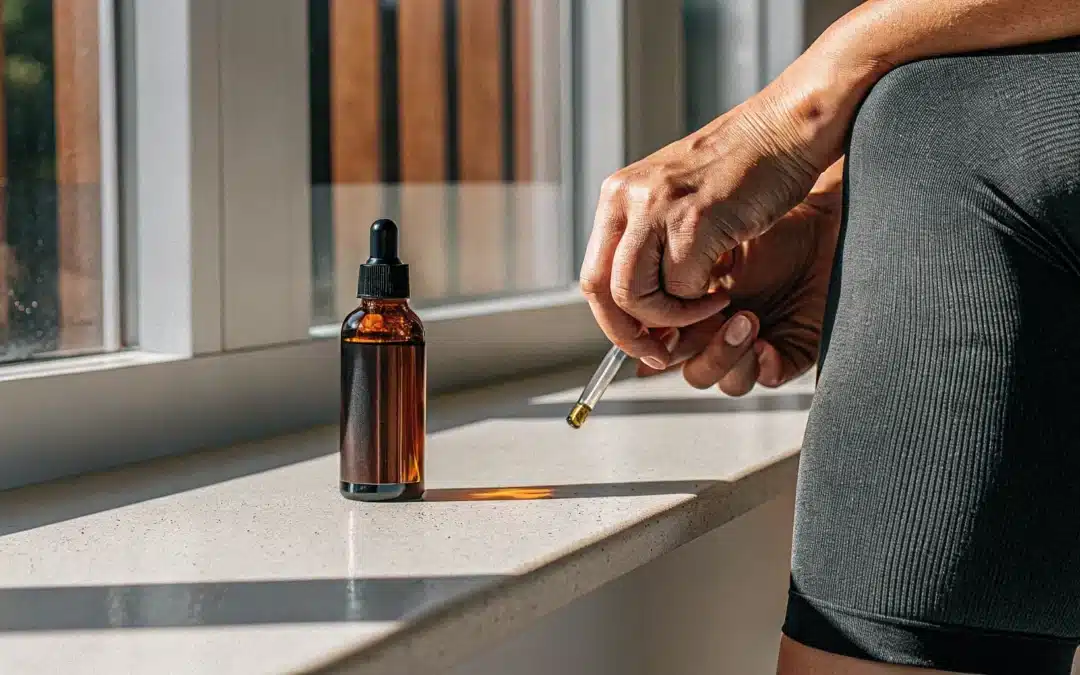
Feeling sore and swollen after a procedure is your body’s repair crew hard at work. But you don’t have to just wait it out. You can take an active role in your recovery by giving that crew the best tools for the job. This guide is all about building a smart anti inflammatory post surgery plan. We’ll cover practical, drug-free strategies and discuss what helps with inflammation after surgery. By combining your doctor’s advice with these simple steps, you can create a comprehensive approach to feel more comfortable and in control of your healing.
Key Takeaways
- Build a complete comfort plan: Combine your doctor’s prescribed care with drug-free methods like cold therapy, elevation, and a topical analgesic massaged into the sore muscles and joints around your surgical site for well-rounded support.
- Fuel your healing with daily habits: Simple choices can significantly impact your recovery. Prioritize an anti-inflammatory diet, drink plenty of water, and get quality sleep to help your body manage discomfort and repair itself more efficiently.
- Take an active role in your recovery: You are your own best advocate. Track your pain levels, stick with your physical therapy exercises, and communicate openly with your doctor to ensure your care plan is always tailored to your needs.
What Is Post-Surgery Inflammation?
If you’re feeling sore, swollen, and tender after a procedure, you’re not alone. Pain after surgery is almost always caused by inflammation where the operation took place. This response is known as acute post-surgical pain, and while it’s uncomfortable, it’s a sign that your body has officially started the healing process. Think of it as your body’s construction crew arriving on-site to begin repairs.
The good news is that this phase is temporary. Understanding why it happens and what to expect can help you feel more in control of your recovery. Managing this initial inflammation is key to feeling better sooner and getting back to your routine. With the right approach—combining your doctor’s advice with supportive self-care—you can work with your body to ensure a smoother, more comfortable healing journey. This guide will walk you through what’s happening inside your body and how you can best support it.
Why Does Inflammation Happen After Surgery?
It might seem counterintuitive, but inflammation is a good thing. In fact, inflammation and acute pain are a natural part of the body’s healing process. When your body undergoes the trauma of surgery, it triggers an immediate immune response. Your system sends a rush of healing cells and proteins to the affected area to protect against infection, clear out damaged tissue, and start rebuilding. This influx of fluid and cells is what causes the classic signs of inflammation: swelling, redness, heat, and pain. So, while it feels unpleasant, that puffiness and soreness is visible proof that your body is hard at work repairing itself from the inside out.
What to Expect After Common Surgeries
Every surgery is different, and your recovery will be unique to you and your procedure. However, certain types of surgeries are well-known for causing significant inflammation. Research shows that procedures like knee surgery, hip surgery and abdominal surgery often involve a notable inflammatory response due to the nature of the work done on joints, bones, and deep tissues. For example, after a knee replacement, you can expect considerable swelling around the joint, which can limit your mobility at first. Similarly, abdominal surgery often leads to soreness and swelling around the incision site. Knowing this ahead of time helps set realistic expectations for your recovery.
Beyond the Incision: Other Types of Post-Surgical Pain
While your focus is naturally on the incision, it’s common to feel aches and pains in completely different areas. You might notice a sore lower back from spending more time in bed, or stiffness in the shoulder on your non-operated side from using it to push yourself up. This is often due to muscle guarding—where surrounding muscles tense up to protect the injured area—and compensation, as your body adjusts its movements to avoid putting pressure on the healing site. These secondary pains are a normal part of recovery, but they don’t have to be ignored. While you should never apply anything directly to your incision without your doctor’s approval, you can support the overworked muscles and joints around it. Gently massaging a topical analgesic with cooling menthol and camphor, like an easy-to-use pain relief roll-up, into your sore back or tight neck can help soothe that muscular tension, allowing you to rest more comfortably and focus on healing.
Your Recovery Timeline: What’s Normal and When to Worry
It’s helpful to know what a typical recovery timeline looks like. Mild to moderate swelling is a completely normal part of the healing process. You can expect the inflammation to peak around two to three days after your surgery. From there, it should begin to slowly and steadily go down. While some swelling can linger for weeks, the most intense phase is usually over within the first week.
You should always follow your surgeon’s specific instructions, but be sure to call your doctor if you notice signs of a complication. Red flags include swelling that gets worse after day three, skin that is hot to the touch, spreading redness, fever, or any discharge from the incision.
What Medications Help with Post-Surgery Pain and Swelling?
After your procedure, your doctor will create a pain management plan tailored specifically to you. This plan is your roadmap for the first few days and weeks of recovery, and medication is often a cornerstone of that strategy. It’s designed to keep you comfortable, reduce inflammation, and help your body heal without unnecessary stress. Understanding the different types of medications and how to use them safely is a huge part of a smooth recovery. Think of this as your toolkit—knowing what each tool does helps you use it effectively and confidently.
Your surgeon will consider the type of surgery you had, your overall health, and your personal pain tolerance when deciding which medications are right for you. The goal is always to provide effective relief with the fewest possible side effects. It’s essential to follow their instructions to the letter, as they know your case best. Open communication is also key; letting your medical team know how you’re feeling allows them to adjust your plan as needed. Let’s walk through the most common options you might see on your post-op plan so you feel prepared for the conversations ahead.
When to Use Over-the-Counter Pain Relievers
For many types of surgery, your doctor will recommend over-the-counter pain relievers as a first line of defense. You’re probably already familiar with these, like ibuprofen and naproxen. They belong to a class of drugs called Non-Steroidal Anti-Inflammatory Drugs (NSAIDs), which are great for post-op recovery because they do two jobs at once: they relieve pain and reduce inflammation. Since swelling is a major source of discomfort after surgery, tackling it directly can make a big difference in how you feel. Your surgeon might suggest a standard OTC dose or provide a prescription for a stronger version.
Acetaminophen (Tylenol)
You’re probably familiar with acetaminophen, best known by the brand name Tylenol. While it’s excellent for relieving mild to moderate pain and reducing fever, it’s important to know that it doesn’t target inflammation. Because of this, your doctor might recommend it as part of a combination therapy. For instance, medical sources note that acetaminophen is often given alongside other medications to make them work better for more significant post-surgical pain. It helps by raising your overall pain tolerance, making it a valuable team player in your recovery plan. Always follow the dosage instructions from your doctor or on the label, as taking too much can be harmful to your liver.
NSAIDs (Ibuprofen, Naproxen)
This is your go-to category for tackling both pain and swelling at the same time. NSAIDs, or Non-Steroidal Anti-Inflammatory Drugs, include common names like ibuprofen (Advil, Motrin) and naproxen (Aleve). According to the Cleveland Clinic, these medications work by reducing pain and swelling directly at the source. This dual-action approach is incredibly helpful after surgery when inflammation is a primary cause of discomfort. While they are not addictive and can help you rely less on stronger medications, they aren’t always enough for severe pain on their own and can sometimes cause stomach irritation. Your surgeon will help you decide if an over-the-counter or prescription-strength NSAID is the right fit for your recovery.
When Are Prescription Pain Meds Necessary?
If your pain is more severe, your doctor may prescribe stronger medications, such as opioids. These are powerful pain relievers that are very effective for short-term, acute pain following a major procedure. However, they also come with significant risks and side effects, including nausea, constipation, and drowsiness. Because of the potential for misuse, your medical team will be very clear about how to use them. The standard advice is to use the smallest dose that provides relief for the shortest possible time. The goal is to manage your pain so you can rest and heal, then transition to other pain management methods as you recover.
Prescription-Strength NSAIDs
If over-the-counter options aren’t quite enough, your doctor might prescribe a more potent NSAID. These work just like their OTC cousins by targeting both pain and inflammation, but at a higher dosage for more significant relief. According to UMass Memorial Health, common options like celecoxib are often combined with acetaminophen (Tylenol) for more effective pain management after surgery. It’s crucial to talk to your doctor before taking any NSAID, as they can sometimes affect blood clotting and the healing process, particularly after certain procedures like gastric bypass. Always follow your surgeon’s guidance to ensure you’re using the right medication safely for your specific situation.
Opioids (Oxycodone, Hydrocodone)
For intense, short-term pain immediately following a major surgery, your doctor may prescribe an opioid like oxycodone or hydrocodone. These are highly effective but come with a list of potential side effects, including nausea, drowsiness, and constipation. The Mayo Clinic also notes there is a risk of misuse, even when they are prescribed for a short period. For these reasons, opioids are used cautiously. The goal is to provide enough relief so you can rest comfortably in the initial days of recovery, with a clear plan to transition to other pain management strategies as soon as your pain becomes less severe.
Other Medications for Pain Control
Acetaminophen, widely known by the brand name Tylenol, is another key player in many post-op recovery plans. While it doesn’t reduce swelling like NSAIDs do, it is very effective for mild to moderate pain and can also help lower a fever. According to OrthoInfo, a major benefit of acetaminophen is that it can reduce the amount of opioid medication you might need. When used in combination, it can make opioids work more effectively, allowing you to use a lower dose. This multi-angled approach helps create a more balanced and effective pain management strategy with fewer side effects.
How to Use Pain Medication Safely
Using any medication safely is crucial, but it’s especially important after surgery when your body is already working hard to heal. Always take your medicine exactly as your surgeon prescribes—don’t adjust the dose or timing on your own. It’s also critical to avoid alcohol while taking pain medication, as the combination can be dangerous. Be open with your healthcare team about how you’re feeling. Let them know your pain level on a scale of 0-10 and report any side effects you experience. This feedback helps them make sure your treatment is working for you. Finally, store your medications securely and dispose of any unused pills properly once you no longer need them.
Understanding the Risks of NSAIDs
While NSAIDs are effective, it’s good to be aware of how they work and their potential side effects. These medications, which include common options like ibuprofen and naproxen, block specific chemicals in your body that trigger pain and inflammation. This dual action makes them a go-to for post-surgical relief. However, they aren’t without risks. According to OrthoInfo by AAOS, some people may experience stomach upset, bleeding, or even ulcers, especially with long-term use. Always take them with food unless your doctor says otherwise, and never exceed the recommended dose. If you have a history of stomach issues or are taking other medications, be sure to discuss it with your surgeon.
Critical Opioid Safety: Side Effects and Risks
Opioids are powerful medications reserved for managing severe, short-term pain. While they can be incredibly effective, they come with a list of potential side effects, including nausea, constipation, drowsiness, and even slowed breathing. The Mayo Clinic highlights that there’s also a significant risk of misuse or overdose, which is why it’s so important to follow your doctor’s instructions exactly. Use them only as prescribed, for the shortest amount of time necessary. As soon as your pain becomes more manageable, talk to your doctor about transitioning to a different type of pain reliever. Your safety is the top priority.
Safe Storage and Disposal of Opioids
If your doctor prescribes opioids, managing them responsibly at home is a critical part of your safety plan. Always store these medications in a secure location, like a locked drawer or cabinet, well out of reach of children, pets, or any other household members. Once you no longer need them, it’s essential to dispose of them promptly and properly. The American College of Surgeons recommends using a drug take-back program or a safe drop site. If one isn’t available, you can mix the leftover pills with something unappealing like coffee grounds or kitty litter, seal it in a plastic bag, and throw it in the trash.
Understanding Tolerance and Dependence
When using pain medication, especially opioids, it’s helpful to understand two key terms: tolerance and dependence. According to the Cleveland Clinic, tolerance is when your body adapts to a medication and you need a higher dose to get the same level of pain relief. Dependence is different; it means your body has become used to the drug and you would experience physical withdrawal symptoms if you stopped taking it suddenly. These are not the same as addiction, but they are serious signs to monitor. If you feel like your medication isn’t working as well as it used to or you’re worried about dependence, have an open conversation with your doctor right away.
Developing a Smart Pain Management Plan
The most effective way to handle post-surgery pain is to have a strategy in place before it even starts. A smart pain management plan is a proactive, comprehensive approach that you develop with your healthcare team. It goes beyond just taking a pill when you feel sore. Instead, it combines prescribed medications, scheduled dosing, and supportive therapies to keep you comfortable and promote healing. By understanding the different tools available, you can take an active role in your recovery, ensuring your comfort is a priority from the moment you leave the operating room. This approach helps you feel more in control and sets you up for a smoother, faster return to your daily life.
The Benefits of Good Pain Control
Effectively managing your pain isn’t just about feeling comfortable—it’s a critical part of the healing process. When your discomfort is under control, you’re better able to participate in your own recovery. You’ll find it easier to get the quality sleep your body needs to repair tissue, and you’ll be more likely to engage in essential activities like physical therapy exercises. Good pain control also allows you to move around a bit more, which helps prevent complications like blood clots and stiffness. According to UMass Memorial Health, managing pain well helps you heal faster and get back to your normal routine sooner, turning recovery into an active process rather than a waiting game.
Planning with Your Doctor Before Surgery
The single best time to discuss pain management is before your surgery. This conversation allows you and your doctor to create a personalized plan that works for you. It’s your opportunity to share your concerns, discuss any past experiences with pain medications, and set realistic expectations for your recovery. Your doctor will consider your specific procedure, your health history, and your personal comfort goals to tailor a strategy just for you. As the Mayo Clinic notes, this proactive discussion is key to managing pain more effectively after the procedure. Come prepared with questions and be open about what you need—this collaboration is the foundation of a successful recovery.
Staying Ahead of the Pain: The Importance of a Schedule
One of the most common mistakes in post-op recovery is waiting until the pain becomes severe before taking medication. It’s much harder to relieve intense pain than it is to manage mild discomfort. That’s why your surgeon will likely recommend taking your pain relievers on a fixed schedule for the first few days, even if you’re not feeling much pain at the moment. This approach helps maintain a steady level of relief in your system, preventing the painful peaks and valleys that can make recovery so challenging. By staying ahead of the pain, you remain in control, allowing your body to rest and heal without the added stress of severe discomfort.
Using a Tiered Approach to Pain Relief
Modern pain management is about using a combination of tools, not relying on a single solution. This tiered, or multimodal, approach layers different strategies for more complete relief. Your first tier is typically prescribed or over-the-counter medication. The next tier includes drug-free methods like applying ice packs to reduce swelling and elevating the affected limb. You can also add targeted topical support to your plan. A topical analgesic containing menthol and camphor can be massaged into the sore muscles and joints *around* your surgical site—never on the incision itself—to provide cooling relief. Our Dragon Roll-Ups are perfect for this, offering no-mess application for those hard-to-reach spots that are stiff from compensating for the surgery.
Combining Medications for Better Results
Your doctor may recommend using more than one type of pain medication to achieve the best results. This strategy, often called multimodal analgesia, targets pain from different angles. For example, an NSAID like ibuprofen reduces inflammation, while a pain reliever like acetaminophen works through different pathways in the nervous system. Using them together can provide more effective relief than either one could alone. This approach can also help reduce the need for stronger medications, like opioids, which minimizes the risk of side effects. Always follow your doctor’s specific instructions on which medications to combine and how often to take them for safe and effective pain control.
In-Hospital Pain Management: What to Expect
Immediately following your surgery, your medical team has a wide array of tools to manage your pain while you’re still in the hospital or surgical center. Your pain relief might start with medications delivered through an IV for fast, effective control. Depending on your procedure, your doctor may have also used other methods during the surgery itself, such as a nerve block to numb a specific region, an injection of local anesthetic at the incision site, or an epidural for more widespread pain control. These in-hospital methods are designed to provide a strong foundation of comfort, making your transition to oral medications and at-home recovery as smooth as possible.
How Can Topical Relief Support Your Recovery?
While oral medications work throughout your body, topical relief products get straight to the source of your discomfort. When you apply a balm or lotion, the active ingredients are absorbed through your skin to provide targeted support for the sore muscles and joints around your surgical site. This approach can be a fantastic addition to your recovery plan, working alongside your prescribed medications to help you feel more comfortable as you heal.
Topicals offer a way to manage aches without adding another pill to your routine. Because they work locally, you can apply them exactly where you need them most. Dragon’s formulas are designed to absorb quickly without leaving a greasy residue, so you can get on with your day. Whether you’re dealing with a stiff back from bed rest or aching shoulders, a good topical can offer soothing comfort. You can find a variety of options, from convenient roll-ups to long-lasting jars, to fit your needs.
How Menthol and Camphor Soothe Post-Surgery Discomfort
The primary sources of relief in Dragon products are menthol and camphor. These are powerful, plant-based ingredients known as counterirritants. When you apply them, they create a cooling or warming sensation on your skin. This sensation sends new signals to your brain that compete with the pain signals from your post-surgery aches. Essentially, they give your nerves something else to focus on, which can temporarily dial down your perception of pain and soreness. This cooling effect is incredibly soothing for tired, overworked muscles that are compensating for the area that’s healing. You can learn more about our carefully selected benefits and ingredients and how they work together.
How to Use Dragon Pain Relief for Support
Dragon combines the proven effects of menthol and camphor with other supportive, natural ingredients. Our formulas also feature a blend of terpenes and cannabinoids, which research suggests can enhance the soothing properties of a topical. For instance, our Maximum Full Spectrum products contain a range of cannabinoids that work with your body to provide added support during recovery. We also use cutting-edge Nano Boost Technology, which breaks down our active ingredients into smaller particles. This helps the formula absorb more deeply and quickly, so you can feel the effects faster. The result is powerful, targeted relief that supports you through the healing process.
How to Apply Topical Relief Safely
Using a topical correctly is key to getting the best results, especially after surgery. The most important rule is to never apply it to broken skin, open wounds, or directly on your incision. Instead, gently massage the balm or lotion into the sore muscles and joints around the affected area. Before your first use, it’s always a good idea to do a small patch test on your skin to make sure you don’t have any sensitivities. Be sure to wash your hands thoroughly after applying, and always talk to your doctor before adding any new product to your post-operative care plan to ensure it’s right for you.
Drug-Free Ways to Ease Post-Surgery Discomfort
While medication and topical treatments are essential parts of your recovery plan, they aren’t the only tools at your disposal. Several simple, drug-free strategies can make a significant difference in managing discomfort and swelling after surgery. These methods work alongside your prescribed treatments to support your body’s natural healing process.
By incorporating these techniques into your daily routine, you can take a more active role in your recovery, helping to ease soreness and get back on your feet sooner. Best of all, they are easy to do from the comfort of your own home. Think of them as foundational pillars of your healing journey—simple actions that create a better environment for your body to repair itself.
When to Use Ice vs. Heat for Swelling
One of the most effective ways to manage post-op discomfort is with temperature therapy. Immediately after surgery, cold therapy is your best friend. Applying an ice pack wrapped in a towel to the surgical site helps reduce inflammation and swelling by constricting blood vessels. It also provides a welcome numbing effect to dull the ache. This is especially helpful during the first 48 hours. Once the initial swelling has gone down after a few days, your doctor might recommend switching to heat. A warm compress can help relax tight muscles and increase blood flow to the area, which promotes longer-term healing. Always check with your doctor before applying heat to a surgical incision.
Proper Positioning and Elevation to Reduce Swelling
It might sound simple, but how you position your body can have a huge impact on swelling and discomfort. Keeping the affected area elevated above the level of your heart is key. For example, if you had knee surgery, prop your leg up on a stack of pillows while you rest. According to medical experts, proper elevation helps reduce swelling by allowing gravity to drain excess fluid away from the surgical site. This not only eases pressure and discomfort but also improves circulation, delivering the oxygen and nutrients your tissues need to heal efficiently. Make it a priority whenever you’re sitting or lying down.
Getting Quality Sleep for a Faster Recovery
Never underestimate the power of a good night’s sleep. Your body does its most important repair work while you’re resting, producing hormones that are vital for tissue regeneration. Getting quality sleep can be challenging when you’re uncomfortable, but it’s crucial for a speedy recovery. To set yourself up for success, create a calm, dark, and quiet sleep environment. Find a comfortable position that doesn’t put pressure on your incision, using pillows for support. Sticking to a consistent sleep schedule and avoiding caffeine in the afternoon can also make a big difference in your ability to get the restorative rest your body needs to heal.
How Physical Therapy Can Speed Up Your Recovery
Think of physical therapy (PT) as your personal roadmap back to feeling like yourself. After surgery, your body needs more than just rest; it needs guided, strategic movement to heal properly. A physical therapist is like a coach for your recovery, creating a personalized plan to help you safely regain strength, flexibility, and function. This isn’t about pushing through pain. Instead, it’s a structured program designed to manage discomfort, reduce the risk of complications like stiffness or scar tissue buildup, and get you back to your daily activities with confidence.
Your therapist will assess your condition, set realistic goals with you, and adapt your program as you progress. They are experts in the body’s healing process and can identify potential issues before they become major setbacks. Working with a professional ensures you’re doing the right movements at the right time, preventing further injury and promoting optimal healing. They’ll teach you how to move your body correctly as it recovers and empower you to take an active role in the process. To make your sessions more comfortable, you can apply a topical analgesic like one of our Roll-Ups to soothe the area before or after your exercises. This combination of professional guidance and at-home comfort can make a huge difference in your recovery journey.
Why Gentle Movement Is Your First Step
Your first physical therapy sessions will likely feel very slow and gentle—and that’s by design. The initial goal is to get the affected area moving without putting any strain on your healing tissues. This phase often includes what are known as passive exercises, where your therapist does most of the work for you. They will carefully move your joint through its range of motion to prevent stiffness and improve flexibility.
These post-surgery rehabilitation exercises are crucial for laying a strong foundation for the rest of your recovery. By gently reintroducing movement, your therapist helps maintain joint health and prepares your body for the more active exercises that will come later.
Simple Exercises to Reduce Post-Surgery Swelling
While it might seem counterintuitive, the right kind of movement is one of the best tools for managing post-surgical swelling and discomfort. Your physical therapist will guide you through careful, targeted stretches and motions that are specifically designed to improve circulation around the surgical site. This increased blood flow helps flush out excess fluid that causes swelling and delivers oxygen and nutrients that are essential for tissue repair.
These aren’t intense workouts; they are effective physical therapy exercises focused on gently improving your range of motion and easing discomfort. By following your therapist’s guidance, you can help your body’s natural healing process work more efficiently.
When Should You Start Physical Therapy?
The question of when to start PT is one of the most common, and the answer depends entirely on your specific surgery and your surgeon’s protocol. Some procedures may require you to start physical therapy within a day or two, while others need a few weeks of initial rest before you begin. Always follow the timeline provided by your medical team.
Once you get the green light, your therapy will progress in stages. You’ll start with the gentle movements we’ve discussed and gradually advance to more active exercises. As you heal, your plan may incorporate low-impact aerobic exercises, light strength training, and more dynamic stretching to fully restore your function and strength.
Which Lifestyle Changes Can Speed Up Healing?
While your doctor’s plan is the foundation of your recovery, the small choices you make every day can have a big impact on how you feel. Think of it this way: your body is working overtime to repair itself, and you can give it the best possible tools to do its job. Simple adjustments to your diet, hydration, and mindset can support the healing process from the inside out, helping to manage discomfort and get you back on your feet.
Focusing on these lifestyle habits gives you a sense of control during a time when you might feel anything but. It’s about creating a healing environment for your body, one meal, one glass of water, and one deep breath at a time. These aren’t complicated or demanding changes—they’re gentle, supportive actions you can take to help yourself feel better, faster. By pairing these habits with your prescribed treatment and topical relief, you create a well-rounded approach to recovery that addresses your body’s needs on every level. This holistic view ensures you’re not just waiting for healing to happen, but actively participating in it.
Your Post-Surgery Anti-Inflammatory Diet
What you eat can either fuel inflammation or help calm it down. As one medical group notes, “Eating healthy foods…helps your body heal, boosts your immune system, and gives you energy, all of which can help reduce pain.” Focus on incorporating whole, nutrient-dense foods into your diet. Think colorful fruits and vegetables like berries and leafy greens, healthy fats from avocados and olive oil, and lean proteins.
Some herbs and spices are also known for their supportive properties. Research suggests that compounds in ginger and curcumin (the active ingredient in turmeric) can be particularly helpful. You can easily add these to your meals by sipping on ginger tea or sprinkling turmeric into soups and smoothies. For more ideas, you can explore a full list of anti-inflammatory foods to add to your grocery list.
Stay Hydrated for a Faster Recovery
Staying hydrated is one of the simplest yet most effective things you can do for your healing body. Water is essential for almost every bodily function, from transporting vital nutrients to your cells to flushing out waste products from the surgical site. When you’re properly hydrated, you’re giving your immune system the support it needs to function at its best and helping your body manage discomfort more effectively.
Aim to sip water consistently throughout the day rather than chugging it all at once. Keep a reusable water bottle by your side as a constant reminder. If you find plain water boring, try infusing it with lemon, cucumber, or mint. Herbal teas can also be a comforting and hydrating option.
Manage Stress to Speed Up Healing
The connection between your mind and body is powerful, especially during recovery. High stress levels can interfere with your body’s ability to heal, but calming techniques can make a real difference. Studies show that practices like deep breathing and meditation can help lower stress and tension, which in turn can help you feel more comfortable.
You don’t need to be a meditation expert to get the benefits. Simply find a quiet place to sit or lie down, close your eyes, and focus on taking slow, deep breaths. Inhale for four counts, hold for four, and exhale for six. Even five minutes of this can help calm your nervous system. There are also many free guided meditation resources available online if you’d prefer to follow along.
How to Track Your Recovery and Talk to Your Doctor
You are your own best advocate during recovery. Keeping a close eye on your progress and maintaining open communication with your healthcare team are essential for a smooth healing process. This isn’t about being a difficult patient; it’s about being an informed one. By tracking your experience, you provide your doctor with the clear, detailed information they need to support you effectively. Think of yourself as a key player on your recovery team—because you are.
How to Track Your Symptoms and Pain
Your doctor can’t feel what you’re feeling, so it’s up to you to paint a clear picture. Start a simple daily log in a notebook or on your phone. Each day, note your pain level on a scale of 0 (no pain) to 10 (worst imaginable pain). Also, write down where it hurts and what the pain feels like—is it sharp, dull, or throbbing? Keep track of what makes it better or worse, like movement, rest, or applying a topical balm. Being honest about your pain and any medication side effects helps your doctor adjust your treatment plan to ensure you’re as comfortable as possible.
When to Call Your Doctor
While some discomfort is normal, certain symptoms are not. Trust your gut—if something feels wrong, it’s always better to check. Don’t hesitate to call your surgeon or care team if you notice any potential signs of a problem.
Pay close attention to your surgical site and watch for:
- Bleeding that soaks through your dressing
- Increased redness, swelling, or an area that feels hot to the touch
- Any fluid, pus, or a bad smell coming from the incision
- A fever or chills
- Severe side effects from your medication
These can be signs of infection or other complications that need immediate attention.
Apps and Tools to Help Track Your Recovery
You don’t need anything fancy to track your progress. A simple notebook or a notes app on your phone works perfectly. However, if you prefer a digital approach, many hospitals and clinics offer patient portals with built-in messaging and symptom trackers. There are also numerous health journaling apps available that can help you organize your notes, set medication reminders, and graph your pain levels over time. These patient engagement tools can make it easier to share accurate, real-time updates with your doctor, ensuring you both have the right information to make the best decisions for your healing.
Simple Home Remedies for Post-Surgery Comfort
While your doctor’s plan is the foundation of your recovery, several simple home remedies can make a world of difference in your comfort levels. Think of these as supportive practices that work alongside your prescribed care to help you feel better. Creating a soothing routine and environment can ease stress, manage discomfort, and give your body the best possible chance to heal efficiently. From what you put in your body to the space you rest in, small, intentional choices can have a big impact on your overall well-being during this crucial time.
Which Herbs and Supplements Can Support Healing?
Your kitchen can be a great source of gentle, healing support. Herbs like ginger, turmeric (which contains curcumin), and cloves are well-known for their anti-inflammatory properties. You can easily incorporate them into your diet by sipping on ginger tea or adding a dash of turmeric to soups and smoothies. Beyond what you eat, natural topicals can provide targeted, soothing relief right where you need it. Ingredients like menthol offer a cooling sensation that can temporarily ease localized discomfort, helping you feel more comfortable as you rest and recover. Always remember to talk with your doctor before adding any new supplements to your routine to ensure they’re right for you.
Calm Your Mind with Breathing and Meditation
Managing post-surgery discomfort isn’t just a physical challenge—it’s a mental one, too. This is where simple mindfulness practices can be incredibly effective. Deep, intentional breathing helps calm your nervous system, which can lower stress and even influence your perception of pain. You don’t need any special equipment to get started. Simply find a comfortable position and try a box breathing exercise: inhale for four counts, hold for four, exhale for four, and hold for four. Repeating this for just a few minutes can help you feel more centered and in control, providing a welcome mental break from the discomfort of recovery.
Create a Calm Healing Space
Your environment plays a huge role in your recovery. Before your surgery, take some time to set up a dedicated healing space. Choose a quiet, comfortable spot with everything you need within arm’s reach—water, snacks, your phone, the remote, and plenty of pillows for support. Applying ice packs to the surgical area for short periods can help reduce swelling and provide a welcome numbing sensation. The goal is to create a serene sanctuary where your only job is to rest. A peaceful environment minimizes stress, which allows your body to direct all its energy toward what matters most: healing.
Create Your Post-Surgery Recovery Plan
Putting together a thoughtful recovery plan is one of the best things you can do for yourself before and after surgery. Instead of just reacting to discomfort as it comes, you’ll have a clear strategy to manage it. A great plan is a team effort, created with your doctor to fit your specific procedure and needs. It should be a flexible, multi-layered approach that combines different methods for the best results.
Think of it as your personal healing toolkit. It might include a schedule for your prescribed or over-the-counter medications, a plan for using drug-free methods like ice packs, and a list of gentle movements you can do. It should also incorporate topical relief for targeted comfort and lifestyle adjustments, like an anti-inflammatory meal plan. By mapping this out, you can feel more in control and focus your energy where it matters most: on healing.
Putting It All Together: Your Personal Relief Strategy
The most effective recovery plans don’t rely on a single solution. Instead, they layer different methods to address discomfort from multiple angles. Your doctor will likely recommend over-the-counter NSAIDs like ibuprofen to help manage inflammation and pain. You can pair this with drug-free options, like using a cold pack on the surgical site to help numb the area and provide soothing relief.
This is also where a high-quality topical analgesic can be a game-changer. The active ingredients of menthol and camphor create a cooling sensation that eases aches in the muscles and joints surrounding your surgical site. When combined with supportive cannabinoids, these formulas can be a valuable part of your daily comfort routine, helping you stay ahead of soreness as you heal.
Listen to Your Body: Adjusting Your Plan as You Go
Your recovery journey will change from one week to the next, and your pain management plan should change with it. What you need in the first few days after surgery will be very different from what you need a few weeks later. This is why active communication with your healthcare team is so important. Keep your doctor updated on your pain levels and how you’re feeling so they can make adjustments to your plan.
As you get stronger, your doctor will likely recommend physical therapy. These gentle, targeted exercises are crucial for rebuilding strength and mobility. Your physical therapist will create a progressive plan that evolves as you heal, ensuring you’re always moving forward safely. Remember, you are the most important member of your recovery team. Listening to your body and speaking up about your needs will help you heal more comfortably and effectively.
Related Articles
- 15 Natural Remedies for Back Pain & Inflammation
- 5 Best Creams to Reduce Swelling (Expert Review)
- 19 Proven Ways to Relieve Pain Without Pills
- Best Ointment for Swelling and Pain: A Buyer’s Guide
- How to Speed Up Muscle Strain Recovery: 10 Tips
Frequently Asked Questions
Can I apply a topical balm directly to my surgical incision? This is a great question, and the answer is a firm no. You should never apply any topical product to broken skin, open wounds, or your incision itself. The skin there is incredibly delicate and needs to heal without interference. Instead, you can gently massage the balm into the sore muscles and joints around the surgical area to help ease the surrounding aches and stiffness that often come from compensating for the injury.
How does a topical product help if I’m already taking pain pills? Think of it as a different tool for a different job. Oral medications work systemically, meaning they travel through your entire body. A topical product works locally, right where you apply it. The active ingredients, like menthol and camphor, create a cooling or warming sensation that provides targeted comfort to specific muscles and joints. It’s a great way to get extra support for localized soreness without adding another pill to your routine.
When is the right time to use ice versus heat after surgery? A good rule of thumb is to use cold therapy first. For the first few days after surgery, an ice pack can be your best friend for reducing swelling and numbing the area. Once that initial inflammation has calmed down, your doctor might suggest switching to gentle heat. A warm compress can help relax tight muscles and improve circulation to promote healing. Always check with your surgeon before applying heat near an incision.
I’m worried about moving too much after surgery. Is it really safe to start physical therapy? It’s completely normal to feel protective of your body after surgery. That’s why physical therapy is always guided by a professional who understands your specific procedure. They won’t have you doing anything intense. Your first sessions will focus on very gentle, controlled movements designed to prevent stiffness and improve blood flow, which actually helps reduce swelling and speeds up healing. It’s a safe, structured way to get back to feeling like yourself.
Besides medication, what’s one simple thing I can do at home to feel more comfortable? Don’t underestimate the power of elevation. Propping up the affected limb on a stack of pillows so it’s above the level of your heart can make a huge difference. Gravity helps drain excess fluid away from the surgical site, which directly reduces the swelling and pressure that cause a lot of discomfort. It’s a simple, drug-free action you can take anytime you’re resting to support your body’s healing process.