A tweaked knee from your morning run or a stiff neck after a long day at your desk—we’ve all been there. Swelling is an unwelcome guest. While it’s a sign your body is healing, the discomfort can disrupt your entire day. A good cream for swelling offers a direct line of defense, absorbing through the skin to calm things down right at the source. But with so many options, how do you choose? Finding the best cream to reduce swelling means knowing what to look for. We’ll show you how, so you can get back to your routine with more comfort and mobility.
Key Takeaways
- Understand the Active Ingredients: The most effective cream for you depends on its formula. Choose a product with proven ingredients like menthol and camphor for cooling relief or a natural, terpene-powered blend to target inflammation directly at the source.
- Proper Application Maximizes Relief: How you use a cream is just as important as what’s in it. For the best results, apply a thin layer to clean skin and use it consistently, especially when managing long-term conditions like arthritis.
- Support Your Cream with Smart Habits: A topical cream works best as part of a complete wellness strategy. Pair it with complementary therapies like ice for acute injuries, gentle stretching for stiffness, and an anti-inflammatory diet to help your body recover more effectively.
What Kind of Swelling Are You Dealing With?
Swelling is your body’s natural response to an injury or illness. When tissues get damaged, your body sends extra fluid and white blood cells to the area to start the healing process. While it’s a sign that your body is working to repair itself, swelling often comes with pain, stiffness, and discomfort. Understanding what’s causing your swelling is the first step toward finding the right relief. Not all swelling is the same, and knowing the difference can help you decide on the best course of action, whether that’s rest, ice, or reaching for a soothing cream.
Acute vs. Chronic: What’s the Difference?
Think of acute swelling as your body’s immediate reaction to a specific event, like a sprained ankle, a bee sting, or a tough workout. It shows up quickly, does its job, and then usually subsides within a few days as you heal. This type of swelling is localized and is a normal part of the recovery process. Chronic swelling, on the other hand, is more persistent. It can last for weeks, months, or even longer and is often a symptom of an underlying condition like arthritis or lymphedema. Sometimes, a skin infection can also lead to mild or severe swelling that needs attention.
What’s Causing Your Swelling?
Swelling can pop up for all sorts of reasons. The most common cause is an injury—like a fall, twist, or direct blow—that leads to inflammation in your muscles, ligaments, or tendons. But it can also be a reaction to an insect bite, an infection, or even certain medications. Edema is the medical term for swelling caused by excess fluid trapped in your body’s tissues, which can happen in your feet, ankles, and legs. Another type, called angioedema, is often related to an allergic reaction and can cause puffiness around the eyes and lips.
Sprains, Strains, and Tendonitis
If you’ve ever rolled your ankle on a run or felt that sharp twinge in your wrist after a long day of typing, you’re probably familiar with the usual suspects behind acute swelling: sprains, strains, and tendonitis. A sprain happens when you stretch or tear a ligament, while a strain is an injury to a muscle or tendon. Tendonitis is the frustrating inflammation that occurs when a tendon gets irritated from repetitive motion. All three trigger your body’s inflammatory response, sending fluid to the area to begin repairs, which results in that familiar trio of pain, stiffness, and swelling. According to the Cleveland Clinic, these common injuries are prime candidates for topical anti-inflammatory creams, which deliver relief directly where you need it. Formulas with proven benefits and ingredients like menthol and camphor can provide a cooling sensation that soothes the area while your body gets to work on healing.
When Should You Use a Cream for Swelling?
Topical creams are a fantastic option for localized, external swelling related to muscle soreness, joint pain, and minor injuries. They work by delivering active ingredients directly to the affected area, helping to reduce inflammation and soothe discomfort right at the source. While more serious internal swelling might require medication prescribed by a doctor, a high-quality anti-inflammatory cream can provide fast, targeted relief for everyday aches and pains. If you’re dealing with post-workout soreness, a stiff neck from sitting at a desk, or the familiar ache of arthritis, a topical cream can be an essential tool in your wellness kit.
How Does a Cream for Swelling Actually Work?
Ever wonder how rubbing a cream on your sore shoulder can actually make the ache disappear? It’s a great question. Unlike pain pills that travel through your entire bloodstream, topical anti-inflammatory creams work directly where you apply them. They are designed to deliver relief right to the source of your discomfort, whether it’s a stiff joint or a strained muscle.
This targeted approach is what makes them so effective. Instead of sending medication throughout your whole body, you’re concentrating the healing power exactly where it hurts. This means you can get the benefits of powerful anti-inflammatory ingredients with a much lower risk of the systemic side effects that can come with oral medicines like ibuprofen. The cream is absorbed through your skin, allowing the active components to penetrate the underlying tissues and get to work on reducing pain and swelling on a local level. It’s a smarter, more direct way to manage everyday aches and pains.
How Active Ingredients Target Swelling
The magic behind any effective anti-inflammatory cream lies in its active ingredients. Think of these as the key players on a team, each with a specific job to do. When you apply the cream, these are the compounds that are absorbed by your skin to calm inflammation, soothe pain signals, and reduce swelling in the tissues below. The other ingredients in the formula—the cream or lotion base—are the delivery system, designed to carry these powerful components where they need to go. The quality and combination of a product’s benefits and ingredients are what ultimately determine how well it works to bring you relief.
Ingredients Found in the Best Creams for Swelling
You’ll find a few common powerhouse ingredients in the best anti-inflammatory creams. Menthol, for example, creates a cooling sensation that helps dull pain signals sent to your brain. Camphor works similarly by providing a gentle warming and cooling effect that can increase blood flow to the area. Other natural ingredients, like capsaicin (derived from chili peppers), create a warming sensation that can interfere with pain messages over time. These plant-based compounds work with your body to reduce swelling and ease discomfort without relying on harsh chemicals, allowing you to choose the strength that best fits your needs.
Counterirritants like Menthol and Camphor
Counterirritants are some of the most common and effective ingredients you’ll find in topical creams, and for good reason. They work by creating a sensation on your skin—like cooling or warming—that essentially distracts your brain from the underlying pain and discomfort of swelling. Menthol, for instance, delivers a cooling feeling that helps to dull the pain signals being sent to your brain. Camphor functions in a similar way, providing a gentle warming and cooling effect that can also help increase blood flow to the sore area, which supports the healing process. These ingredients offer a powerful, plant-based approach to managing localized pain and swelling.
Topical NSAIDs and Salicylates
You’ve probably heard of NSAIDs, or Nonsteroidal Anti-inflammatory Drugs, like ibuprofen that you take in pill form. Topical versions apply that same anti-inflammatory power directly to your skin. These creams, which often contain ingredients like diclofenac, are particularly popular for conditions like arthritis because they can reduce inflammation at the joint with a lower risk of the stomach issues that sometimes come with oral medications. Salicylates, which are related to aspirin, work in a similar way to ease pain and swelling. These ingredients are absorbed through the skin to target inflammation right at the source, offering a more focused approach to treating pain.
Anesthetics like Lidocaine
Sometimes, you just need to turn the pain signals off. That’s where anesthetics like lidocaine come in. When included in a topical cream, these ingredients work by temporarily numbing the area where you apply them. Instead of reducing the inflammation itself, anesthetics block the nerve signals in your skin from sending pain messages to your brain. This can provide fast, though temporary, relief from the sharp discomfort that often accompanies swelling from minor injuries or skin irritations. It’s a different mechanism than an anti-inflammatory, focusing purely on blocking the sensation of pain for immediate comfort.
Corticosteroids like Hydrocortisone
For swelling caused by skin irritations, insect bites, or allergic reactions, a cream with a corticosteroid might be the best fit. Hydrocortisone is a common low-strength steroid found in many over-the-counter products that is very effective at calming inflammation and reducing redness and swelling on the skin’s surface. According to the Cleveland Clinic, it works by suppressing the body’s inflammatory response in a targeted area. While highly effective for certain types of swelling, these creams are typically meant for short-term use and for issues that are more skin-deep.
Other Plant-Based Ingredients
Beyond menthol and camphor, the world of plant-based ingredients offers other powerful options for managing swelling. Capsaicin, the compound that gives chili peppers their heat, is used in many creams to create a warming sensation that can disrupt pain signals over time. You’ll also find modern formulas that incorporate terpenes and cannabinoids, which research suggests have supportive properties. These compounds can work together to enhance the effects of the primary active ingredients. At Dragon, we use a proprietary Nano Boost Technology to help these plant-based ingredients absorb more deeply and get to work faster, providing more comprehensive relief.
Why Deeper Absorption Matters
A cream can have the best ingredients in the world, but they won’t do you much good if they just sit on top of your skin. For true relief, those active components need to penetrate deep into the muscle and joint tissues where the inflammation is happening. This is where the science of absorption comes in. Formulations that use advanced methods, like Dragon’s Nano Boost Technology, break down the active ingredients into tiny particles. This allows them to be absorbed more quickly and completely, ensuring they reach the source of your pain for faster, more noticeable results. Deeper absorption means less waiting and more effective relief.
The Best Over-the-Counter Creams to Reduce Swelling
When you’re dealing with swelling from a tweaked muscle, a stiff joint, or a long day on your feet, a good topical cream can be a game-changer. But with so many options out there, it’s tough to know which one will actually work for you. The best creams use specific active ingredients to target inflammation right at the source. Let’s look at the most common and effective types of over-the-counter creams so you can find the right fit for your needs.
Dragon Pain Relief: A Natural & Effective Option
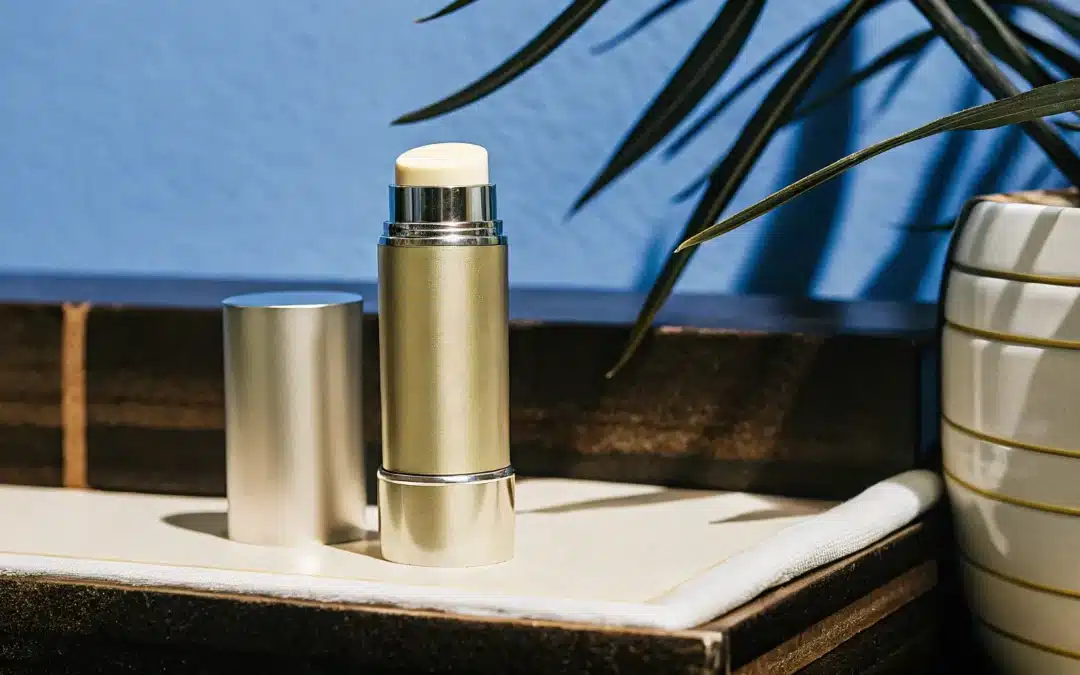
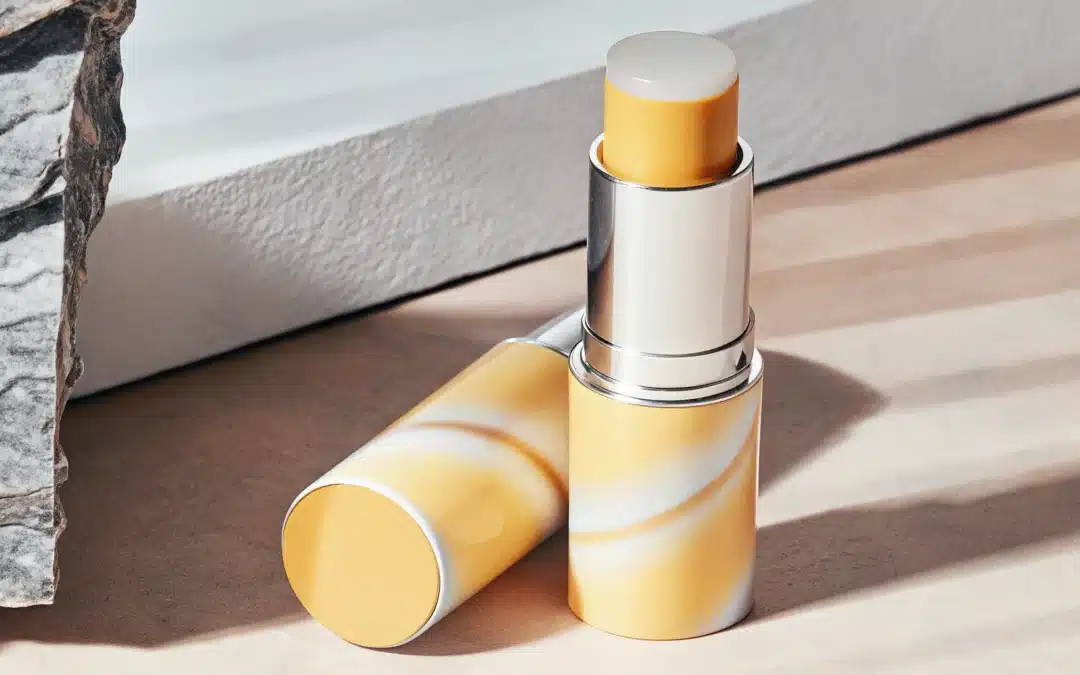
If you’re looking for powerful, plant-based relief, Dragon Pain Relief is a standout choice. Our formulas combine proven ingredients like menthol and camphor with a blend of ancient herbs and terpenes to soothe discomfort and reduce inflammation. What makes it different is our Nano Boost Technology, which helps these natural benefits and ingredients absorb deeper into the tissue for faster, more effective results. Instead of just masking the issue, this approach helps calm the source of the swelling. It’s an excellent option for anyone who wants a potent, natural solution without relying on synthetic drugs. The convenient roll-up applicators also make it easy to apply without any mess.
What to Know About NSAID Creams and Gels
You’ve probably heard of NSAIDs (nonsteroidal anti-inflammatory drugs) like ibuprofen. Topical versions contain ingredients like diclofenac (found in brands like Voltaren) and work by blocking the enzymes that cause inflammation and pain. They are very effective for localized swelling, especially in joints close to the skin like your hands, knees, or elbows. Research shows that these anti-inflammatory creams can significantly reduce pain for many users. While they are generally considered safer than oral NSAIDs because less of the drug enters your bloodstream, they can still cause skin irritation for some people. They are a solid, science-backed option for targeted relief from acute injuries or arthritis flare-ups.
How Effective Are They?
So, do these creams actually deliver on their promises? For many people, the answer is a resounding yes. Topical anti-inflammatory creams are applied right on your skin over the sore area, where they get absorbed into your tissues and joints. This direct application helps to reduce pain and swelling exactly where you need it most. While personal experiences are overwhelmingly positive, the level of scientific proof can vary. According to the Mayo Clinic, topical NSAIDs have the most research backing their effectiveness and safety, making them a reliable choice for conditions like arthritis in joints close to the skin’s surface.
A Safer Alternative to Oral Pills
One of the biggest advantages of using a topical cream is the reduced risk of side effects compared to oral medications. When you swallow a pill, the medicine travels through your entire system, which can sometimes lead to stomach upset or other issues. Topical creams, however, work locally. This targeted approach means that very little of the medication enters your bloodstream—in fact, it can reduce systemic absorption by almost 90%. For this reason, topical NSAIDs have a lower risk of causing the stomach and heart problems that can be associated with their oral counterparts, making them a safer option for long-term management.
Considering a Gentle, Herbal-Based Cream?
For those who prefer a gentler approach, many creams rely on the anti-inflammatory properties of herbs. You’ll often find ingredients like arnica, turmeric, comfrey, and boswellia in these formulas. Arnica, for example, has been used for centuries to address bruising and swelling, while turmeric contains curcumin, a powerful anti-inflammatory compound. These creams are ideal for people with sensitive skin or those who want to avoid synthetic chemicals and pharmaceuticals. They offer a more holistic way to manage everyday aches and minor swelling. While they may work more subtly than their pharmaceutical counterparts, many people find consistent use provides excellent, soothing relief for persistent discomfort.
Understanding the Counterirritant Effect
Many of the most effective topical creams work their magic through something called the counterirritant effect. It sounds technical, but the idea is simple: the cream creates a new sensation—like cooling or warming—on your skin to distract your brain from the underlying ache. Ingredients like menthol and camphor are classic counterirritants. Menthol provides a deep cooling feeling that helps dull pain signals, while camphor offers a gentle warming sensation that can help increase blood flow to the sore area. This process essentially gives your nervous system something else to focus on besides the pain from your swollen joint or muscle. By creating this diversion, counterirritants provide fast, targeted relief right where you need it most, allowing your body to focus on healing without the constant distraction of discomfort.
Best Creams for Post-Workout Swelling
Athletes and active individuals put their bodies through a lot, and the right cream can make a huge difference in recovery. Formulas made for athletic recovery often feature ingredients that provide immediate cooling or warming sensations, like menthol and camphor, to soothe sore muscles. They are designed for fast absorption to quickly address post-workout soreness, strains, and minor injuries. These creams are particularly effective when pain is localized to a specific muscle group. For serious athletes managing intense training schedules, a powerful, terpene-infused formula like Dragon’s Maximum Strength line can help you bounce back faster and stay on top of your game.
Choosing the Right Cream for Your Swelling
Finding the right cream starts with understanding your specific type of pain. Aches from a tough workout feel different than the persistent stiffness of arthritis, and each situation benefits from a slightly different approach. The goal is to match the cream’s ingredients and strength to the source of your discomfort. Are you dealing with a sudden injury, a long-term condition, or soreness from daily activities? Answering that question will help you pinpoint the perfect formula.
Think about what you need most: is it fast-acting relief for a muscle strain, or consistent, daily support for joint pain? Some creams are designed for deep, penetrating action, while others offer a gentle, soothing sensation. By considering the cause of your swelling and what you want to achieve, you can move past the crowded shelves and find a product that truly works for you. Let’s look at some common scenarios to help you find your match.
What to Use for Aching Muscles and Stiff Joints
We’ve all been there—a stiff neck after a long day at the computer or sore back muscles from helping a friend move. For this kind of targeted discomfort, a topical cream is a fantastic choice. Unlike oral anti-inflammatory medicines that affect your whole body, a cream works directly on the area that needs attention. This approach provides focused relief with a much lower risk of side effects.
Look for a formula that’s easy to apply and absorbs quickly, so you can get on with your day. A mess-free Roll-Up is perfect for reaching tight shoulders, while a rich balm from a Jar is great for massaging into larger areas like your legs or lower back.
Creams for Arthritis and Long-Term Conditions
Managing long-term conditions like arthritis requires a reliable and consistent routine. The daily aches and stiffness can interfere with your mobility and quality of life, so you need a cream that delivers lasting comfort. Many people turn to topical treatments because they can be a safer alternative to daily pills, which may carry a higher risk of stomach or heart issues over time.
For this kind of persistent pain, you’ll want to reach for a more potent formula. Our Maximum Full Spectrum products are designed to provide the deep, terpene-powered relief needed to soothe stubborn joints and help you move more freely. Consistent application is key, so make it a part of your morning and evening routine.
Soothing Sports Injuries and Post-Workout Soreness
If you lead an active lifestyle, muscle soreness and minor injuries are part of the game. Whether you’re dealing with a sprained ankle or the delayed muscle ache that follows a great workout, an anti-inflammatory cream can be your best friend. These formulas are absorbed through the skin to start relieving pain in the affected muscles and joints, helping you recover faster.
Keep a tube in your gym bag for immediate use after you cool down. Our Extra Broad Spectrum line is a popular choice for athletes who need effective recovery support. For on-the-go convenience, our travel sizes ensure you’re never without relief when you need it most.
Best Cream for Edema and Post-Surgery Swelling
Recovering from surgery requires patience and care, and managing swelling is often a big part of the process. While you should always follow your doctor’s specific instructions, a topical cream can be a helpful tool for soothing localized discomfort once you get the green light. A gentle formula can help ease the stiffness and swelling around an incision or injured area without being too harsh on sensitive skin.
Look for a product with natural, soothing ingredients. Our Regular Strength cream offers gentle yet effective relief, while our CBD-free Super Terpene Blend is another excellent option for those who prefer a formula focused solely on plant-based terpenes. Always perform a patch test first and apply carefully around the affected area.
How to Use Your Cream for the Best Results
You’ve found a cream that seems perfect for your needs, but getting the best results is about more than just the product itself. How you apply, how often you use it, and how you store it can make a huge difference in its effectiveness. Think of it as a partnership—the cream brings the powerful ingredients, and you provide the right technique to help it work its magic. Following a few simple steps ensures you get the most relief out of every application, helping you manage swelling and discomfort more effectively.
Using a swelling cream at the right time can make it feel noticeably more effective. For a fresh injury (like a sprain or strain), start by calming the initial inflammation first. Use a cold pack for 15 to 20 minutes, then apply a thin layer of cream once the skin is dry and back to normal temperature. This helps you avoid “overheating” the area while still getting localized relief. For chronic stiffness (like arthritis), many people do better with consistent, scheduled use. Apply in the morning to loosen up, then again later in the day before symptoms ramp up.
Also, set expectations based on what the cream actually does. Counterirritants like menthol and camphor can feel fast because they change the sensation on the skin. Anti-inflammatory actives work more gradually and tend to perform best with repeat use over several days. If swelling is widespread (not localized) or keeps returning in the same spot, treat the cream as symptom support and look for the underlying cause.
How to Apply Your Cream Correctly
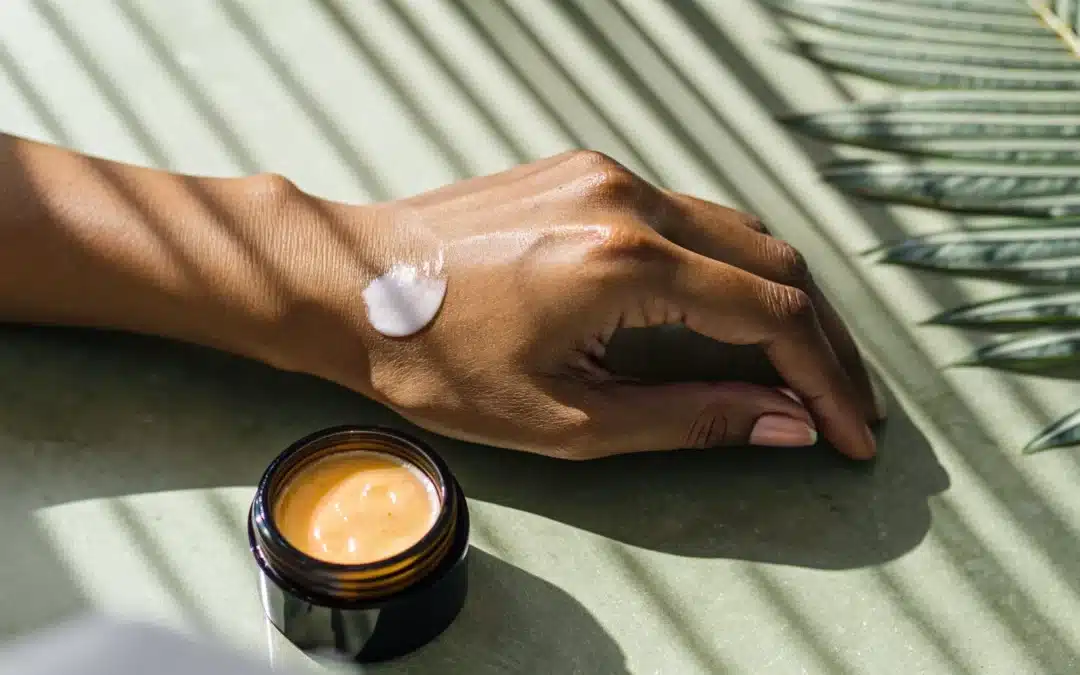
First things first: always start with clean hands and clean skin. Wash your hands with soap and water before and after applying the cream to prevent spreading germs and to avoid accidentally touching your eyes with residue. Apply a thin layer of the cream over the entire painful or swollen area. You don’t need to glob it on; a little goes a long way. Rub it in gently until it’s fully absorbed and you can’t see it anymore. This helps the active ingredients penetrate the skin. For easy, no-mess application, especially on hard-to-reach spots like your back, a roll-up applicator can be a game-changer. Just be sure not to use it on broken, irritated, or damaged skin.
How Much to Use and How Often
Consistency is key when you’re dealing with persistent swelling or soreness. While most creams can be used up to four times a day, it’s essential to follow the instructions on your specific product. Every formula is different, and the label will give you the best guidance. If you’re trying a product for the first time, start with a small amount to see how your skin reacts. For daily aches from conditions like arthritis, you might find that consistent use of a Maximum Full Spectrum formula helps keep discomfort at bay. For occasional soreness after a workout, you might only need to apply it as needed. Listen to your body and read the directions carefully.
Pairing Your Cream with Other Treatments
A good topical cream can be a fantastic tool in your wellness toolkit, but it doesn’t have to be the only one. Sometimes, combining treatments can provide even better results. For example, some studies suggest that certain topical ingredients work well alongside other pain management strategies. You can also pair your cream with other therapies like applying ice to reduce acute swelling, using a heat pack to soothe stiff muscles, or doing gentle stretches to improve mobility. The key is to create a well-rounded approach to relief. Just be sure to talk with your doctor before mixing treatments to ensure they’re safe and appropriate for you.
How to Store Your Cream Correctly
To make sure your cream stays effective from the first use to the last, proper storage is important. Most topical products should be kept in a cool, dry place away from direct sunlight and extreme temperatures. A medicine cabinet is often a better choice than a windowsill or the glove compartment of your car. Heat and light can break down the active ingredients, making the formula less potent over time. Always make sure the lid is screwed on tightly to prevent the cream from drying out or becoming contaminated. This is especially true for convenient travel sizes you might toss in a gym bag—just make sure they’re sealed tight and kept out of the heat.
Are There Side Effects? What You Need to Know
Most topical creams are well-tolerated, but it’s always smart to know what to look for when trying a new product. Your body is unique, and paying attention to how it responds is the best way to ensure you get the relief you need without any unwanted surprises. Being informed helps you choose the right product and use it safely.
Here’s a straightforward guide to potential side effects, when to be cautious, and how to identify a cream you can trust.
Common Side Effects to Be Aware Of
Topical anti-inflammatory creams are generally safe, but mild skin reactions can happen. According to the Cleveland Clinic, about one in twenty people might experience a temporary reaction where the cream is applied. This isn’t usually a cause for alarm and often resolves on its own.
The most common side effect is a bit of redness, but you might also notice some mild itching, dryness, or a rash. These reactions are typically short-lived. If you have sensitive skin, it’s always a good idea to do a patch test on a small area first to see how your skin reacts before applying it more broadly.
Important Safety Precautions to Follow
Using a topical cream should be a straightforward and positive experience. To make sure it is, there are a few simple but important safety guidelines to keep in mind. These aren’t meant to scare you, but rather to empower you to use your product safely and effectively. Think of them as the basic rules of the road for topical relief. Following these precautions helps you avoid potential skin irritation and ensures you get the maximum benefit from the active ingredients. By being mindful of how you apply and use your cream, you can focus on what really matters: feeling better.
Avoid Using with Heat or Tight Bandages
This is a big one. It might seem like a good idea to combine your cream with a heating pad to amplify the soothing sensation, but this can actually be harmful. According to the Mayo Clinic, applying heat over a topical cream can increase absorption in an unpredictable way, potentially leading to skin irritation or even burns. Similarly, you should avoid covering the area with a tight bandage. This can trap heat and concentrate the ingredients against your skin, which can also cause a negative reaction. Let your skin breathe and allow the cream to absorb naturally for the safest and most effective relief.
Special Considerations for Certain Ingredients
It’s always smart to know what’s in your cream. For example, some topicals contain salicylates, which are related to aspirin. If you have an aspirin allergy or take blood thinners, it’s a good idea to chat with your doctor before using these products. Another universal tip is to always wash your hands thoroughly after applying any cream. Ingredients like menthol and camphor, which we use in our Dragon formulas for their cooling and soothing properties, can cause a lot of discomfort if you accidentally rub your eyes. Keeping your hands clean is a simple step that prevents any accidental irritation to sensitive areas.
When a Cream Might Not Be Right for You
While over-the-counter creams are accessible, they aren’t the right fit for everyone or every situation. It’s important to talk with your doctor before using a new topical cream if you have certain health conditions. Be sure to get medical advice if you have heart or kidney disease.
You should also avoid these creams if you’ve had allergic reactions to anti-inflammatory medicines in the past, like asthma or hives. And as a rule, never apply these products right after open-heart surgery. When in doubt, a quick chat with your healthcare provider is the best path forward to ensure you’re making a safe choice for your body.
How to Spot a High-Quality Product
With so many options available, it helps to know what separates a great product from the rest. First, check the label for effective, well-researched active ingredients. Research from the Mayo Clinic shows that certain topical treatments have strong evidence supporting their safety and effectiveness.
A trustworthy brand will also be transparent about its manufacturing process and quality control. Look for companies that provide easy access to third-party lab results to verify the purity and potency of their products. This shows the company is confident in what it’s selling and committed to your safety. Clear labeling and positive, credible customer reviews are also good signs you’ve found a winner.
When to Stop Using a Cream
Listen to your body. If your pain gets worse or doesn’t improve after using a cream for a week or two, it’s time to make an appointment with your doctor. A topical cream is great for managing many types of discomfort, but it isn’t a substitute for professional medical care if the underlying issue isn’t getting better.
You should also stop using the product and seek medical attention if you notice more serious symptoms. Widespread swelling or swelling accompanied by a fever could be signs of an infection or another problem that needs a doctor’s diagnosis. Your well-being comes first, so don’t hesitate to reach out for help if something feels off.
Beyond the Cream: How to Get Even Better Results
A high-quality topical cream is a powerful tool for managing swelling and discomfort, but it’s even more effective when you pair it with other supportive habits. Think of it as one part of a complete wellness strategy. By combining your cream with complementary therapies and simple lifestyle adjustments, you can help your body recover faster and prevent future issues from cropping up.
Topical anti-inflammatory creams are fantastic because they deliver targeted relief right where you need it, often with fewer side effects than oral medications. But your daily choices—from how you move to what you eat—play a huge role in managing inflammation. Creating a holistic routine helps you address discomfort from multiple angles, giving you more control over how you feel. The following strategies work hand-in-hand with your favorite Dragon Pain Relief products to help you get back to feeling your best.
Complementary Therapies to Pair with Your Cream
Think of your topical cream as the star player and these therapies as its supporting cast. For fresh injuries or flare-ups, the classic R.I.C.E. method (Rest, Ice, Compression, Elevation) is your best friend. Applying a cold pack for 15–20 minutes can reduce initial swelling, and following up with a pain relief cream can soothe the lingering ache. For ongoing stiffness, gentle stretching and movement can improve circulation and flexibility. You can also incorporate massage by using a product like our pain relief lotion to work out knots and ease muscle tension, further enhancing the cream’s effects.
How to Prevent Swelling Before It Starts
The best way to deal with swelling is to stop it before it starts. If you know you’ve overdone it at the gym or on the trail, elevating the affected area above your heart can make a big difference. Gravity helps drain excess fluid and reduces pooling. Staying well-hydrated is also key, as it helps your body flush out toxins and maintain a healthy fluid balance. Pay attention to your diet, too—limiting salty, processed foods can prevent your body from retaining extra water. These small, consistent habits can significantly reduce your chances of dealing with uncomfortable swelling.
Simple Lifestyle Habits for Less Swelling
Long-term relief often comes from consistent, healthy habits. Chronic inflammation can be influenced by your daily routine, so making a few key changes can have a big impact. Try incorporating more anti-inflammatory foods into your diet, like leafy greens, berries, nuts, and fatty fish. Regular, low-impact exercise such as walking, swimming, or yoga helps keep your joints mobile and your circulatory system healthy without adding extra strain. Don’t forget to manage your stress levels, as high cortisol can contribute to inflammation throughout the body. Even a few minutes of deep breathing or meditation each day can help calm your system.
Using Compression, Movement, and Massage
When you’re dealing with swelling, getting things moving is a great way to encourage your body’s natural fluid-clearing process. Simple actions can make a big difference in how you feel. Wearing a compression garment, like a sleeve or stocking, provides gentle pressure that supports the area and discourages fluid from pooling. Another powerful technique is simply to use the muscles in the swollen limb. Even small movements, like flexing your ankle or making a fist, can help pump excess fluid back toward your heart. You can also try a gentle massage, stroking the area toward your core with firm but comfortable pressure. This is a great time to use a smooth, fast-absorbing pain relief lotion to make the massage more comfortable while delivering soothing ingredients to the area.
Protecting Swollen Skin from Injury
Swollen skin is stretched and more delicate than usual, which makes it more vulnerable to cuts, scrapes, and even infection. Taking a few extra precautions can protect your skin while it recovers. It’s important to keep the area clean and well-moisturized to maintain the skin’s protective barrier and prevent it from becoming dry or cracked. If your feet or ankles are swollen, always wear comfortable socks and supportive shoes to shield them from accidental bumps or scrapes. According to the Mayo Clinic, these simple protective measures are key to avoiding complications. Think of it as giving your body a safe space to heal without having to worry about secondary injuries.
When It’s Time to See a Doctor
While topical creams are excellent for managing everyday aches and minor swelling, they aren’t a substitute for professional medical advice. It’s important to see a doctor if your swelling comes on suddenly without a clear reason, or if it’s accompanied by a fever, shortness of breath, or skin that’s red and hot to the touch. You should also seek medical care if the swelling doesn’t improve after a few days of at-home treatment. Sudden swelling of the face and hands, for example, could be a sign of a severe allergic reaction known as angioedema. A doctor can give you an accurate diagnosis and ensure you’re treating the root cause, not just the symptoms.
Red Flags: When Swelling Needs Urgent Care
Most everyday swelling from minor injuries improves with home care, but some swelling patterns need urgent medical attention. Call 911 or seek emergency care if swelling is paired with chest pain, trouble breathing, fainting/dizziness, or coughing blood. These can signal a serious heart or lung problem.
Get prompt medical evaluation if you have sudden swelling in one leg, especially with calf pain, warmth, or tenderness, because this can be a sign of a blood clot.
Also call a clinician quickly if swelling comes with fever, rapidly spreading redness, hot skin, or worsening pain, which can point to infection or another condition that needs treatment beyond topical care.
Medical Treatments for Severe Swelling
When at-home care isn’t enough, your doctor’s first step will be to figure out the root cause of the swelling. Medical treatment focuses on the underlying issue, which could be anything from an infection to a more serious condition causing your body to trap fluid in its tissues. Depending on the diagnosis, your provider may prescribe medication to help manage the swelling. According to MedlinePlus, this can include diuretics (or “water pills”) to help your body release excess fluid. For other causes, treatments might involve antihistamines or oral steroids to reduce inflammation from the inside out. These options are for severe or persistent swelling and always require a doctor’s guidance to ensure they are safe and appropriate for you.
Related Articles
- Best Arthritis Creams: Top Picks for Relief in 2024
- Back Pain Cream: Best of 2024 Guide for Relief
- Voltaren Alternative 2024: Top 7 Best Ranked Options
- Pain Relief Cream: Best of 2024 Guide for Muscle Pain
Frequently Asked Questions
How quickly can I expect to feel relief after applying a cream? Most people feel the soothing effects of ingredients like menthol and camphor almost immediately. This initial cooling or warming sensation helps to dull the discomfort right away. For the deeper anti-inflammatory benefits, it typically takes about 15 to 30 minutes for the active ingredients to absorb and start working on the underlying swelling and soreness.
Is it safe to use a pain relief cream every day? Yes, high-quality topical creams are generally designed to be safe for daily use, which is especially helpful for managing long-term conditions like arthritis or recurring back pain. Because they work locally on the skin and underlying tissue, they have a much lower risk of the systemic side effects that can come with daily oral pain relievers. Just be sure to follow the directions on the product label.
What’s the difference between a cream, a roll-up, and a lotion? Choosing the right format comes down to your personal preference and where you need relief. A roll-up offers a fantastic no-mess application, making it perfect for your desk drawer or gym bag. A cream or balm from a jar is typically thicker, which is great for massaging into larger muscle groups like your legs or lower back. A lotion is lighter and spreads easily, making it a great choice for covering broad areas or for use during massage.
Will the CBD in Dragon products make me feel high? Absolutely not. The cannabinoids used in our formulas are non-psychoactive, which means they don’t produce the “high” associated with THC. Our products are created purely to provide targeted relief from pain and inflammation right where you apply them. We are focused on physical relief, not a mental effect, and we even offer a powerful CBD-free formula for those who prefer it.
Can I use a topical cream if I’m also taking oral pain medication? While topical creams work locally and are less likely to interact with oral medications, it’s always best to talk with your doctor or pharmacist before combining treatments. They know your health history and can give you the safest, most effective advice. This ensures that your entire pain management plan works together without any issues.
What is the best cream to reduce swelling fast? The best cream to reduce swelling fast is one that matches the cause. For sore muscles, menthol or camphor can feel quick. For arthritis-related swelling, topical NSAIDs like diclofenac can reduce inflammation. Apply a thin layer to clean skin and reapply only as directed.
Do anti-inflammatory creams actually reduce swelling or just mask pain? Some creams only change sensation, but others reduce inflammation. Counterirritants (menthol, camphor) mainly distract from pain. Topical NSAIDs can lower local inflammation, which can reduce swelling over time. Results are best with consistent use for several days, not one application alone.
Can I use a swelling cream on a sprain or strain? Yes, a swelling cream can help with sprains and strains when swelling is mild and localized. Use cold therapy first for the first 24 to 48 hours, then apply cream to intact skin. Avoid heat over the product. If swelling is severe or you cannot bear weight, get evaluated.