That powerful icy-hot sensation from a good topical rub isn’t just a distraction—it’s science at work. The secret is a process called counter-irritation. When you use a camphor menthol rub, the active ingredients stimulate your skin’s sensory receptors. This sends a rush of cooling and warming signals to your brain, creating a sensory traffic jam that overrides the original discomfort signals. It gives your nervous system something new to focus on, turning down the volume on that ache in your muscle or joint. We’ll break down exactly how this classic duo provides such effective, localized relief.
Key Takeaways
- It’s All About Sensory Distraction: Camphor and menthol work by creating cooling and warming sensations on the skin. This “counter-irritant” effect helps redirect your brain’s focus away from underlying aches, providing targeted comfort.
- Quality is in the Details: An effective rub offers more than just its active ingredients. Look for transparent third-party lab results, supportive ingredients like terpenes, and a format—like a jar or roll-up—that suits your daily routine.
- Proper Application is Key: For the best results, apply a thin layer to clean, dry, and unbroken skin up to four times daily. Always wash your hands after use to prevent the rub from getting into your eyes or other sensitive areas.
What Are Camphor and Menthol Rubs?
If you’ve ever reached for a topical balm to soothe a sore muscle, you’ve likely used a camphor and menthol rub. These time-tested formulas are mainstays in medicine cabinets and gym bags for a reason: they offer fast, targeted relief right where you need it. At their core, these rubs are topical analgesics, meaning they’re designed to relieve discomfort when applied directly to the skin. They work by creating distinct cooling and warming sensations that help ease the feeling of aches and stiffness. It’s a straightforward approach that has been trusted for generations.
While the concept is classic, modern formulas have taken these traditional ingredients to the next level. By combining them with other supportive, plant-based ingredients and using advanced absorption technology, today’s rubs can offer even more effective and reliable comfort. This means you get the familiar soothing power of camphor and menthol, but with an enhanced delivery system that helps the formula get to work quickly. Whether you’re an athlete recovering from a tough workout, someone dealing with a stiff neck from sitting at a desk, or managing everyday joint aches, a quality camphor and menthol rub can be an incredible tool for managing discomfort and getting back to your day.
Breaking Down the Active Ingredients
So, what exactly are these key ingredients? Camphor and menthol are natural, aromatic compounds derived from plants. Menthol is the primary active component of peppermint oil, giving it that signature cooling effect and minty scent. Camphor is a waxy substance extracted from the wood of camphor trees. Both have been used for centuries in traditional medicine for their unique therapeutic properties. When included in topical rubs, they act as the primary drivers of relief, creating the sensations that help your muscles and joints feel better. Think of them as the powerhouse duo behind that soothing feeling you count on.
How Do They Work?
Camphor and menthol work by stimulating nerve endings in your skin. This process, known as counter-irritation, creates a cooling or warming sensation that distracts your brain from the underlying signals of discomfort. Essentially, it gives your nerves something else to focus on besides the ache. Research suggests these active ingredients also help improve blood flow to the area where the rub is applied. This increased circulation can help soothe stiff, tired muscles. The result is a comforting sensation that typically provides relief for several hours, allowing you to move with greater ease.
The Source of Camphor and Menthol
It’s easy to assume powerful ingredients come from a lab, but camphor and menthol are gifts from nature with deep historical roots. Camphor is a waxy, aromatic substance extracted from the wood of the Cinnamomum camphora tree. Menthol, on the other hand, is the main active compound found in peppermint oil—it’s what gives peppermint its signature minty aroma and powerful cooling sensation. Both of these ingredients have been staples in traditional medicine for centuries, valued for their unique therapeutic properties long before they made their way into the modern topical rubs we rely on today. Their long-standing use is a testament to their effectiveness and why they remain go-to ingredients for natural relief.
Why Use a Camphor and Menthol Rub?
Camphor and menthol are a powerhouse duo, and there’s a reason they’ve been staples in medicine cabinets for generations. You probably remember the distinct, sharp scent from a jar your parents or grandparents kept on hand for all sorts of minor complaints. While they’re most famous for easing muscle aches, their benefits don’t stop there. These plant-derived compounds work by creating sensations on the skin—like cooling and warming—that interact with your body’s sensory receptors. This clever mechanism makes them incredibly versatile for addressing everything from a stiff neck after a long day at the computer to the discomfort of a seasonal cough.
The best part is that they offer a straightforward, topical approach to feeling better. By applying them directly where you need them, you get targeted effects without having to ingest anything. This localized action is why they are the foundation of so many effective topical rubs. Whether you’re an athlete dealing with post-training soreness, someone managing daily joint stiffness, or just need relief from an occasional headache, camphor and menthol provide a reliable first line of defense. They are nature’s way of hitting the mute button on minor discomforts, allowing you to get back to your day. Let’s look at some of the most common and effective ways these ingredients can support your well-being.
Easing Sore Muscles and Joints
This is what camphor and menthol are best known for. When you apply a rub to a sore shoulder or an aching knee, the ingredients get to work quickly. They create a cooling sensation that provides a welcome distraction from the underlying discomfort. As one source explains, most topical products with these ingredients are designed to be applied directly to the skin, where they can penetrate and provide localized relief that lasts for hours. This makes them perfect for targeting specific problem areas after a tough workout, a long day of yard work, or just sleeping in a funny position.
Breathe Easier with Menthol and Camphor
If you’ve ever had a chest cold, you’ve likely reached for a camphor and menthol rub. When applied to the chest or throat, the strong vapors are inhaled, helping to open up airways and soothe coughs. The combination of cooling and warming sensations is what makes these rubs so effective for relieving sinus discomfort. While many people associate this use with thick, petroleum-based ointments, modern formulas offer the same benefits in a cleaner, non-greasy format. It’s a classic remedy that continues to be popular because it simply works.
How Vapors Help Suppress Coughs
It’s a familiar experience: you rub a balm on your chest, and almost instantly, the strong, minty aroma makes it feel easier to breathe. This isn’t just a feeling; there’s a reason it works. When you inhale the vapors from menthol and camphor, they travel into your airways and get to work. Camphor, in particular, can be effective at calming a cough. Some research indicates that it may create a soothing layer in the throat and lungs, which helps stop the cough reflex. Paired with the cooling sensation from menthol, which tricks your brain into feeling like your airways are more open, the combination provides comforting relief when you’re feeling congested.
Soothing Itchy or Irritated Skin
The same cooling properties that soothe sore muscles can also bring relief to itchy, irritated skin. Think of minor irritations like bug bites or a patch of dry, itchy skin. Applying a small amount of a camphor and menthol rub can help calm the area and reduce the urge to scratch. Research has shown that topical agents containing these ingredients can be effective at treating pruritus, the clinical term for itchiness. Their soothing properties help to temporarily quiet the overactive nerve signals that cause that nagging, itchy feeling, offering a moment of peace.
How Do Camphor and Menthol Work Together?
Camphor and menthol are a classic duo in topical rubs for a reason. When combined, they create a powerful synergistic effect that offers more comprehensive relief than either ingredient could alone. Think of them as a one-two punch against discomfort. Menthol comes in with a cooling blast, while camphor follows with a soothing, warming sensation. This tag-team approach doesn’t just mask discomfort; it actively works with your body’s sensory receptors to change how you perceive it.
Their combined action creates a unique sensory experience that helps distract your brain from the underlying ache. But it’s more than just a distraction. Modern formulas have found ways to make this classic combination even more effective by improving how these ingredients are absorbed into the skin. By understanding how they work together, you can better appreciate the science behind that soothing feeling and choose a product that truly delivers.
Why Does It Feel So Cool?
When you apply a rub with menthol and camphor, that initial icy-hot feeling is the start of the relief process. This is known as a “counterirritant” effect. Menthol, derived from mint plants, works by activating a specific sensory receptor in your skin called TRPM8, the same one that tells your brain you’re feeling cold. This creates a powerful cooling sensation that helps to desensitize the nerve endings in the area.
This cooling signal travels along your nerve pathways to your brain, essentially creating sensory traffic. Camphor works similarly, creating a mild warming and cooling effect that adds to this sensory input. According to research, these three key mechanisms—cooling, warming, and vasodilation—work together to interrupt discomfort signals, providing a soothing sensation that calms the affected area.
Creating a Distraction from Discomfort
The cooling and warming sensations do more than just feel good—they serve as a powerful distraction for your nervous system. This process is best explained by the Gate Control Theory of Pain. Think of it like this: your nerve pathways are like gates that can only let a certain amount of information through to your brain at one time. When you’re experiencing an ache, the “pain gate” is wide open.
Applying menthol and camphor sends strong cooling and warming signals that rush to the gate, effectively crowding out the pain signals. This sensory overload helps “close the gate” on discomfort, reducing how much of it your brain actually registers. This is why the relief from topical products containing these ingredients can feel so immediate and last for hours. It’s a clever way of using your body’s own wiring to dial down discomfort.
Why Modern Formulas Absorb Better
While camphor and menthol have been used for centuries, today’s formulas are far more advanced. The effectiveness of any topical rub depends on its ability to penetrate the skin and reach the underlying muscles and tissues. Traditional balms often sit on the surface, but modern science has found ways to improve absorption for faster, deeper relief.
Advanced formulas often use delivery systems like Nano Technology to break down active ingredients into microscopic particles. These tiny particles can move between skin cells more easily, carrying the soothing properties of menthol and camphor exactly where you need them. Furthermore, high-quality rubs often include supportive ingredients like terpenes and cannabinoids, which research suggests may have their own therapeutic properties. This combination of classic ingredients and modern science creates a more effective and reliable solution for everyday aches.
How to Choose the Best Camphor Menthol Rub
When you’re standing in the aisle or browsing online, the number of topical rubs can feel overwhelming. But not all formulas are created equal. A truly effective rub goes beyond a strong scent—it’s about the quality of ingredients, transparent safety testing, and a format that fits your life. To make sure you’re getting a product that delivers, it helps to know what to look for on the label and behind the scenes. By checking for a few key things, you can choose a rub that provides reliable comfort when you need it most.
Check the Active Ingredient Levels
The first place to look on any topical rub is the active ingredients list. For products like these, that’s usually menthol and camphor. The concentration of these ingredients, listed as a percentage, is a key indicator of the product’s strength. While a higher percentage doesn’t always mean “better,” it often translates to a more intense cooling or warming sensation. It’s no surprise that many users report a positive effect from these types of formulas. Think about your needs: a lower concentration might be ideal for daily shoulder tension, while a higher strength could be just what you need after a strenuous workout.
Look for Other Common Ingredients
While menthol and camphor are the headliners, the supporting ingredients in a formula can make a big difference. A well-crafted rub often includes other compounds designed to complement the main active ingredients, creating a more comprehensive soothing experience. Some formulas add ingredients that provide additional sensory effects, while others focus on skin-conditioning agents to ensure the product feels good to apply. For example, you might find other plant-based compounds like terpenes, which not only contribute to the product’s scent but also work synergistically with the primary ingredients. Taking a moment to scan the full ingredient list helps you understand exactly what you’re putting on your skin and choose a product that offers a complete, well-rounded approach to relief.
Understanding Methyl Salicylate
One of the most common additions you might see in topical rubs is methyl salicylate, a compound derived from wintergreen oil. It functions as a counter-irritant, much like menthol and camphor, but it’s known for creating a distinct warming sensation that helps distract your brain from discomfort signals. According to the Mayo Clinic, this ingredient is often used to help with minor aches from conditions like arthritis, backaches, and muscle strains. Its ability to provide warmth makes it a valuable component in many formulas, as it complements the cooling effect of menthol to create that classic “icy-hot” feeling that many people find effective for soothing sore spots.
Why Supportive Ingredients Matter
While menthol and camphor are the primary players, the other ingredients in the formula matter, too. High-quality rubs often include a blend of botanicals, essential oils, and terpenes that work alongside the active ingredients. These additions can contribute to the product’s scent, feel, and overall effect. Some modern formulas also incorporate cannabinoids like CBD, which research suggests may offer additional support. When you see a thoughtful blend of supportive ingredients, it’s often a sign of a well-crafted product designed for more than just temporary relief.
Always Look for Third-Party Lab Tests
How do you know that what’s on the label is actually in the product? That’s where third-party testing comes in. Reputable brands send their products to independent labs to verify their purity and potency. These tests confirm the concentration of active ingredients and check for harmful contaminants like pesticides, heavy metals, and microbes. Always look for a brand that makes its lab results easily accessible on its website. This transparency is your assurance that the product is safe, consistent, and high-quality, giving you peace of mind with every application.
Balm, Stick, or Cream: Which is Best?
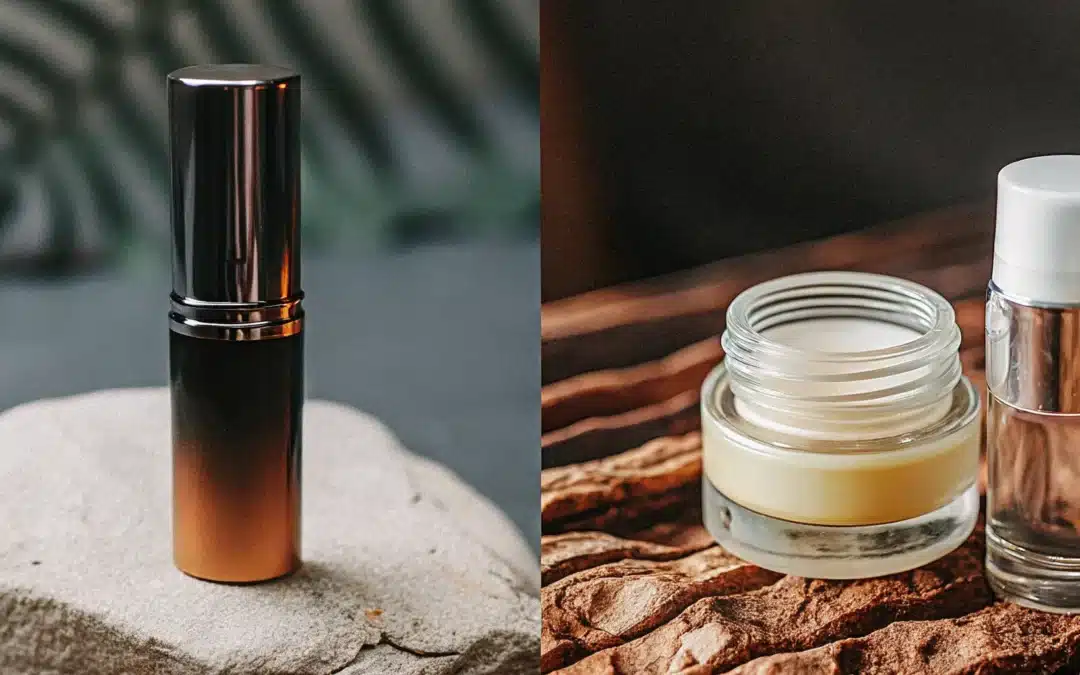
Topical rubs come in several forms, and the best one for you depends on your lifestyle and how you plan to use it.
- Jars are great for at-home use when you need to cover larger areas like your back or legs.
- Roll-ups offer a convenient, no-mess application that’s perfect for your gym bag or desk drawer, allowing you to target specific spots without getting the product on your hands.
- Lotions absorb quickly and are ideal for applying to areas that need to be massaged.
Since most topicals are designed to be applied multiple times a day, choosing a format you’ll actually use is key to getting consistent relief.
Exploring Gels, Ointments, and Lotions
It’s easy to get lost in the terminology: balm, ointment, gel, lotion. At the end of the day, the main difference comes down to the product’s base and texture, which affects how it feels and absorbs. Ointments and balms, like the ones you’ll find in our jars, are typically thicker and oil-based. They create a lasting barrier on the skin and take a bit longer to sink in, which makes them great for covering larger areas. In contrast, lotions and creams are lighter and water-based, absorbing quickly without leaving a greasy residue—perfect for daytime use or for massaging into an area. The best choice really comes down to your personal preference and routine. A no-mess roll-up is ideal for your desk or gym bag, while a rich balm can be perfect for an evening application at home.
Our Favorite Camphor and Menthol Rubs
With so many options out there, finding the right rub can feel overwhelming. From the classic jars you remember from childhood to modern, plant-powered formulas, each has something different to offer. The best choice really comes down to your personal needs, ingredient preferences, and the kind of relief you’re looking for. Some people swear by the tried-and-true brands they grew up with, while others are looking for formulas with cleaner ingredients or added botanicals. To help you sort through it all, we’ll look at everything from terpene-enhanced options to classic drugstore staples so you can find the perfect match for your wellness toolkit.
For Terpene-Powered Relief: Dragon Pain Relief
If you’re looking for a modern formula that builds on the classic combination of camphor and menthol, Dragon Pain Relief is a standout. It uses these trusted active ingredients and enhances them with supportive terpenes and nano-emulsified cannabinoids for a more comprehensive approach. Thanks to its Nano Boost Technology, the formula is designed for deeper absorption. As one review notes, “Dragon Pain Relief combines the cooling and warming sensations of camphor, menthol, and eucalyptus oil, making it effective for relieving muscle pain, [and] joint discomfort.” It’s a great option for anyone seeking fast, terpene-powered support for their active lifestyle or daily aches. You can explore all of their products online.
The Drugstore Classics You Know
You can’t go wrong with the classics you find at your local drugstore. Brands like Vicks VapoRub and Tiger Balm have been trusted for generations for a reason—they work. These products are widely available, affordable, and familiar to most people. They rely on straightforward formulas that deliver the cooling and warming sensations you expect from a camphor and menthol rub. In fact, a comparison on Drugs.com shows that 65% of reviewers reported a positive effect from using a standard camphor and menthol topical. For reliable, no-fuss relief, these are always a solid choice.
Other Popular Over-the-Counter Options
Beyond the classic tins and jars, you’ll find a whole range of other effective over-the-counter choices. Brands like Icy Hot and Biofreeze are incredibly popular for good reason—they lean heavily on the cooling power of menthol to deliver fast-acting relief. These products often come in different formats, like patches, sprays, and gels, which can make them super convenient for targeting hard-to-reach areas or for on-the-go use. While their formulas might vary slightly, the core principle remains the same: using the science of counter-irritation to soothe sore muscles and joints. These accessible topical pain relievers are a reliable starting point for anyone looking to manage everyday discomfort without a prescription.
Prefer Natural or Organic? Try These
For those who prefer products with simpler, plant-based ingredient lists, the natural and organic market has plenty of great options. These rubs focus on high-quality, ethically sourced ingredients and often leave out artificial fragrances, dyes, and parabens. They harness the power of camphor and menthol, which research from the NIH suggests are “potentially effective at treating pain.” You’ll often find them blended with other soothing botanicals like arnica, eucalyptus, and essential oils. These alternatives are perfect for anyone with sensitive skin or who simply wants a cleaner approach to topical relief.
How to Pick the Right Strength
Not all rubs are created equal, and the concentration of active ingredients can make a big difference. While “both menthol and camphor typically provide pain relief that lasts multiple hours,” the intensity of that relief often depends on the formula’s strength. A lower-strength rub might be perfect for mild tension in your shoulders, while you might want something more potent for post-workout muscle soreness. Think about what you’ll be using it for most often. Some brands offer different formulas so you can choose your strength based on whether you need light support for daily aches or maximum relief for more intense discomfort.
How to Use Camphor and Menthol Rubs Safely
Topical rubs with camphor and menthol are fantastic tools for managing everyday aches and discomfort, but getting the best results means using them correctly. While these ingredients are derived from plants and generally safe for external use, a little know-how goes a long way in ensuring you have a positive and effective experience. Following a few simple guidelines helps you get the relief you’re looking for without any unwanted irritation, making sure your go-to rub remains a helpful part of your routine.
Think of it like this: you wouldn’t just guess the instructions for a new workout or recipe. The same principle applies here. Proper application ensures the active ingredients can do their job effectively, targeting the source of your discomfort. It also helps you avoid common mistakes, like using too much product, applying it to sensitive areas, or not washing your hands afterward. By understanding the best practices for frequency, location, and application method, you can confidently make your topical rub a reliable partner in your wellness journey. Whether you’re using a balm from a jar after a long day or a convenient roll-on at the gym, these tips will help you feel your best.
How to Apply Your Rub for Best Results
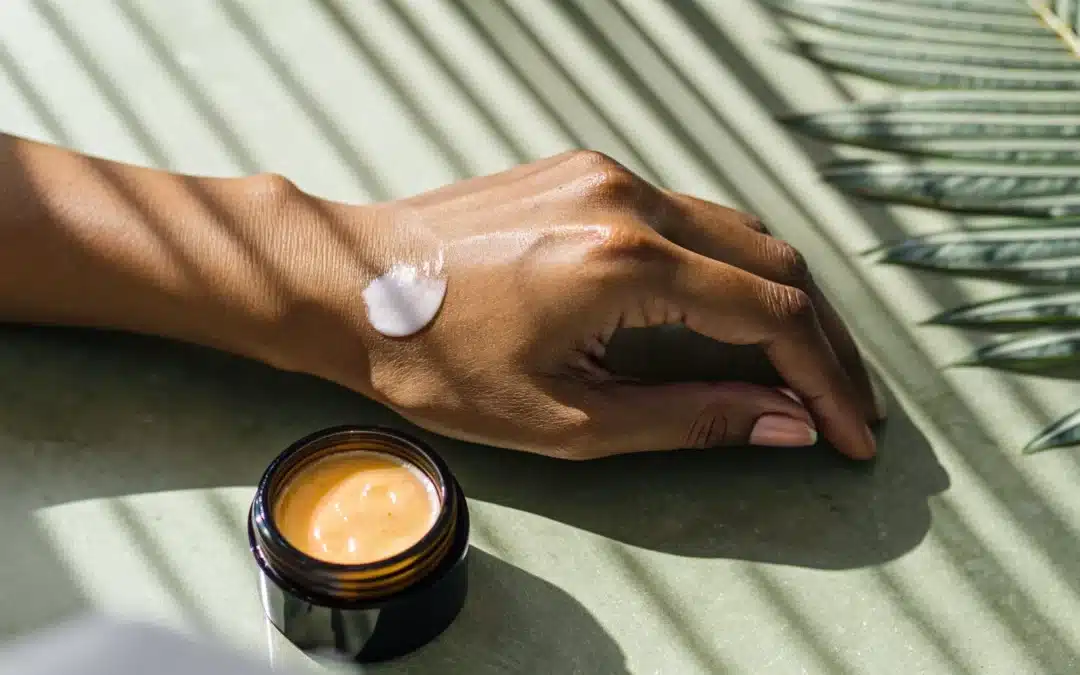
Knowing how to apply your rub correctly is what ensures the best results. Start by making sure the affected area is clean and dry, as this helps the formula absorb properly. Apply a thin, even layer of the product directly to the spot where you feel soreness or stiffness. You don’t need to glob it on—a little goes a long way.
Gently massage the rub into your skin until it’s fully absorbed. This not only helps the ingredients penetrate deeper but also provides a bit of massage to the muscle itself. Afterward, be sure to wash your hands thoroughly with soap and water. This simple step prevents you from accidentally touching your eyes, nose, or other sensitive areas, which can cause a pretty unpleasant stinging sensation.
Avoid Tight Bandages and Heating Pads
It might seem like a good idea to cover a sore muscle with a bandage or use a heating pad after applying a rub, but this is one step you should definitely skip. The Cleveland Clinic advises against covering treated skin, as trapping the active ingredients can lead to irritation or even burns. These rubs work by creating a sensory distraction; the cooling and warming signals crowd out discomfort signals traveling to your brain. Adding external heat or a tight wrap can over-intensify these sensations and interfere with how the formula is meant to work. For the safest and most effective experience, just apply a thin layer and let your skin breathe. Proper application is all that’s needed to let the ingredients get to work.
How Often Can You Apply It?
When it comes to topical rubs, more isn’t always better. It’s important to give the active ingredients time to work and to avoid irritating your skin. A good rule of thumb is to apply the product no more than three to four times a day. This frequency is generally enough to provide consistent relief for sore muscles and joints throughout the day without overdoing it.
Always check the product label for specific instructions, as the concentration of ingredients can vary between formulas. Listening to your body is also key. If you find that two or three applications are enough to keep you comfortable, stick with that. The goal is to find a routine that works for your unique needs and helps you manage discomfort effectively.
What to Do if You Miss a Dose
First off, don’t stress about it. Most people use camphor and menthol rubs on an as-needed basis, so it’s not like a medication you have to take at the exact same time every day. If you’re simply applying it when a muscle feels sore, you can’t really “miss” a dose. However, if you are using a rub on a more regular schedule to manage ongoing discomfort, the advice is straightforward. The general guidance is to apply the missed dose as soon as you remember it. The one exception is if it’s almost time for your next scheduled application—in that case, just skip the one you forgot. The most important rule is to never double up. Applying a thicker layer won’t provide extra relief and could increase the risk of skin irritation, so just continue with your normal routine.
Important: Areas to Avoid
Just as important as knowing where to apply your rub is knowing where not to. First and foremost, never put a camphor and menthol rub on broken skin. This includes cuts, scrapes, rashes, burns, or any area that is already irritated. Applying it to an open sore can cause significant stinging and burning and may interfere with the healing process.
You should also avoid applying it to or near mucous membranes—that means keeping it away from your eyes, nostrils, mouth, and any other sensitive areas. The cooling and warming sensations that feel so good on your muscles can be intensely painful on these delicate tissues. Stick to applying it on intact skin over muscles and joints to ensure a safe and soothing experience.
What to Do if it Gets in Your Eyes
Accidentally getting a camphor and menthol rub in your eyes is an unpleasant experience, but it’s important to act quickly to minimize the irritation. The first and most critical step is to flush your eye immediately with plenty of cool tap water. As the Cleveland Clinic advises, this helps wash out the active ingredients causing the stinging sensation. Let the water run gently over your open eye for several minutes, and avoid using a high-pressure stream, which could make the irritation worse. If the discomfort, redness, or burning persists after you’ve thoroughly rinsed the area, it’s a good idea to consult a healthcare professional for further guidance.
Are There Any Side Effects to Know?
Camphor and menthol rubs are generally safe for topical use, but it’s always smart to know what to look for when trying a new product. Being informed helps you use these formulas safely and get the relief you’re looking for without any surprises. Most people use them without any issues, but here are a few things to keep in mind.
Potential Skin Reactions to Watch For
The most common side effect from a topical rub is skin irritation. Because menthol and camphor create strong cooling and warming sensations, they can sometimes be a bit much for sensitive skin. Research shows that while these ingredients are effective, some people may experience mild skin irritation or allergic reactions. This might look like redness, a rash, or a bit of itchiness where you applied the product. If this happens, it’s best to wash the area with soap and water and stop using the rub. For most, any irritation is minor and fades quickly.
Signs of a Serious Allergic Reaction
While serious reactions are rare, it’s crucial to know what to look for so you can act quickly if needed. A severe allergic reaction requires immediate medical attention. According to health resources, you should get emergency help if you notice any signs of an allergic reaction after applying a rub. These include hives, difficulty breathing, or swelling of your face, lips, tongue, or throat. Other critical symptoms to watch for are severe itching or swelling, wheezing, a feeling of tightness in your chest, or skin that becomes red, swollen, blistered, or starts peeling. If you experience any of these, stop using the product and seek medical help right away.
Who Should Use Caution
A good rule of thumb is to never apply a camphor and menthol rub to broken or damaged skin. That means avoiding cuts, scrapes, rashes, or sunburns. Applying it to an open sore can cause significant irritation and isn’t a good idea. If you have a pre-existing skin condition like eczema or psoriasis, or if you know your skin is generally sensitive, it’s wise to do a patch test. Just apply a small amount to your inner arm and wait 24 hours to see how your skin reacts before applying it more broadly.
Pregnancy and Breastfeeding
If you are pregnant, trying to become pregnant, or breastfeeding, it’s best to steer clear of camphor and menthol rubs. The primary concern is camphor, which experts advise against using during this time. According to safety guidelines from The University of Texas at El Paso, you should not employ camphor in any form during pregnancy or lactation. The strong vapors can also be risky for infants if they inhale them. Because of this, it’s crucial to avoid applying these rubs to your chest or anywhere your baby might come into close contact. Always put safety first and consult your doctor before using any new topical product during this important time.
Individuals with Certain Health Conditions
While most people can use these rubs without issue, individuals with certain health conditions should be cautious. For example, camphor has been shown to cause seizures in sensitive people, so it’s recommended to avoid it if you have epilepsy or Parkinson’s disease. Additionally, the Cleveland Clinic advises that you should tell your doctor before using these products if you have large areas of burned or damaged skin. As a general rule, it’s always a good idea to have a conversation with your healthcare provider before adding any new product to your routine, especially if you have underlying health concerns or are taking other medications. This ensures you can get the relief you need safely.
Are These Rubs Safe for Kids?
Many of us grew up with parents using these types of rubs for coughs and colds, but it’s important to be cautious when using them on children. Some studies suggest that camphor, in particular, should not be applied to a child’s chest or face. Because children’s skin is more delicate, they can be more sensitive to the active ingredients. The safest approach is to always talk to a doctor or pediatrician before using any topical rub on a child to ensure it’s appropriate for their age and specific situation.
Specific Age Guidelines and Risks
When it comes to age, the general consensus is to avoid using camphor and menthol rubs on children under two. Their skin is much thinner and more sensitive, which means they can absorb the active ingredients more readily. A significant risk with young children is accidental ingestion—if they touch the applied area and then put their hands in their mouth, it can be toxic. In fact, the American Academy of Pediatrics has warned about the potential dangers of camphor, especially when applied near the nose or mouth of an infant, as it can cause respiratory distress. The golden rule is to always read the product label for specific age recommendations and, most importantly, consult your pediatrician before using any topical rub on a child. They can provide the safest guidance for your little one.
When to Talk to Your Doctor
Listening to your body is key. If you experience a reaction that’s more severe than mild redness—like blistering, swelling, or a rash that spreads—it’s time to stop using the product and check in with your doctor. You should also consult a healthcare professional before using a rub if you are pregnant or breastfeeding, or if you have any underlying health conditions. When in doubt, a quick conversation with your doctor can give you the peace of mind to use your topical rub confidently and safely.
When to Stop Use and Seek Medical Advice
While a camphor and menthol rub is a great tool for temporary relief, it’s important to know when to set it aside and consult a professional. If your discomfort gets worse, or if it sticks around for more than a week with no signs of improvement, it’s time to talk to your doctor. Additionally, you should discontinue use and seek medical attention if you notice any signs of skin injury, such as pain, swelling, or blistering, after applying the product. Think of these signs as your body’s way of telling you that a topical rub isn’t the right solution and that it’s time to investigate the underlying cause.
Important Safety Warnings
Like any product you use for your well-being, camphor and menthol rubs come with a few important safety guidelines. These aren’t meant to scare you, but to ensure you use them effectively and safely. Most of these are common sense, but they’re worth repeating to help you get all the soothing benefits without any of the risks. Keeping these simple points in mind will help you make your topical rub a reliable and worry-free part of your self-care routine. From proper storage to knowing how long to use it, a little awareness goes a long way.
Toxicity if Swallowed
This one is crucial: camphor and menthol rubs are for external use only. These products should never be ingested, as swallowing them can lead to serious health issues. The active ingredients are safe for your skin but can be toxic if they enter your digestive system. To prevent accidental ingestion, always store your rub in a secure place that is out of reach of children and pets. After applying, make sure to wash your hands thoroughly so you don’t accidentally transfer the product to your mouth or food. It’s a simple precaution that ensures everyone in your household stays safe.
Flammability Risks
Here’s a safety tip you might not have considered: some ingredients in topical rubs, particularly camphor, are flammable. Because of this, you should avoid using these products near an open flame, sparks, or any other significant heat source. For example, don’t apply a rub and then immediately light a candle, cook over a gas stove, or use a heating pad on the same area. To be safe, let the product fully absorb into your skin before exposing the area to heat. It’s a small detail that makes a big difference in using your rub safely at home.
Risks of Long-Term Use
Topical rubs are designed for providing temporary relief from minor aches, not for treating long-term conditions. If you find yourself needing to apply a rub for the same issue for more than seven days in a row, it’s a good idea to stop use and ask a doctor for advice. Persistent discomfort can be a sign of an underlying issue that needs a proper diagnosis and treatment plan. Think of your rub as a tool for managing occasional soreness and stiffness, but not as a substitute for professional medical care when discomfort lingers.
Potential Drug and Product Interactions
It’s easy to think of topical products as being in their own category, separate from anything you might take orally. However, what you put on your skin can sometimes interact with other medications or even other skincare products. Being aware of potential interactions is a key part of using any topical rub safely and effectively. Before you start using a new formula, it’s smart to consider what else is in your routine. A little bit of foresight can help you avoid unwanted reactions and ensure you get the best possible results from your product.
Interactions with Medications like Blood Thinners
Because camphor and menthol can increase circulation in the area where they are applied, it’s important to be mindful if you take certain medications. In particular, if you are on blood thinners (anticoagulants) like warfarin, you should consult your healthcare provider before using a topical rub. While the risk is generally low, it’s always best to get professional advice to ensure there are no potential interactions. A quick chat with your doctor or pharmacist can give you the confidence to add a topical rub to your routine without any worries.
Using with Other Topical Products
It might seem like a good idea to layer different creams or balms to get extra relief, but it’s best to stick to one product at a time on any given area. Applying multiple topical products to the same spot can increase the risk of skin irritation or cause unpredictable reactions. You should also avoid using a heating pad over an area where you’ve applied a camphor and menthol rub, as the heat can intensify the ingredients’ effects and potentially lead to burns. Let one product do its job effectively without interference from another.
How to Get the Best Value from Your Rub
When you’re looking for relief, you want a product that works without breaking the bank. But with so many options out there, it can be tough to figure out which topical rubs offer the best value. The price tag doesn’t always tell the whole story. The key is to look beyond the initial cost and consider factors like ingredient quality, concentration, and how you buy. A little bit of homework can help you find a high-quality rub that gives you the most for your money.
Should You Buy Direct or from a Drugstore?
You can find topical rubs just about anywhere, from the corner drugstore to specialized online stores. While grabbing a tube off the shelf at a big-box retailer is convenient, you might find better value by purchasing directly from a brand’s website. Companies that sell their own products often provide access to their full range of formulas and strengths, which you might not find in a physical store. Plus, you can often save money by purchasing product bundles or larger sizes that offer a lower cost per ounce. Buying direct also gives you a chance to see detailed ingredient lists and third-party lab results, so you know exactly what you’re getting.
What Determines the Price?
If you’ve ever wondered why one rub costs twice as much as another, the answer usually comes down to the formula. The price is often a reflection of the quality and concentration of the ingredients inside. A product with higher levels of active ingredients like menthol and camphor will naturally cost more to produce. The source and purity of those ingredients matter, too. Furthermore, the inclusion of supportive ingredients like terpenes and cannabinoids can influence the price, as these components are selected to work alongside the active ingredients. According to research, the overall effectiveness and formulation of these products play a big role in their cost, so a higher price often points to a more thoughtfully crafted product.
Typical Price Ranges and Customer Ratings
When you’re shopping for camphor and menthol rubs, you’ll notice that prices can range quite a bit depending on the brand, size, and specific formula. You can find a classic like the Mentholatum Original Chest Rub (3oz) for around $4.88 at retailers like Walmart, while other popular options like McNess’s Mentholated Camphor Rub (4.2 oz) are priced around $11.00. Despite the price differences, customer satisfaction is consistently high across the board. It’s common to see ratings of 4.5 stars or higher, backed by hundreds of reviews. This positive feedback is supported by data from sites like Drugs.com, where a comparison shows that 65% of users reported a positive effect from these types of topicals, highlighting just how reliable they are for many people.
Tips for Making Your Rub Last Longer
To make sure you’re getting a good deal, start by looking at the cost per ounce, not just the sticker price. A larger jar might have a higher upfront cost but could save you money in the long run. Another great tip is to look for multi-packs or box sets, which are almost always discounted. Finally, choose the right formula for your needs. You might not need the highest strength for everyday aches, so selecting the appropriate level can be more cost-effective. A guide on how to choose your strength can help you find the perfect match without overspending on a formula that’s more than you need.
Proper Storage and Disposal
Once you’ve found the perfect rub, you’ll want to make sure it stays effective and safe. Proper storage is key to preserving the potency of the active ingredients, while knowing how to dispose of it correctly ensures it doesn’t end up in the wrong hands. A few simple habits can make all the difference in getting the most out of your product from start to finish.
How to Store Your Rub Safely
To keep your rub effective from the first use to the last, where you store it matters. The best spot is a cool, dry place away from direct sunlight and moisture—think a medicine cabinet or a bedroom drawer rather than a steamy bathroom windowsill. Heat and light can break down the active ingredients like menthol and camphor, reducing their potency over time. Keeping the container tightly sealed also prevents the product from drying out or changing consistency. While these are good general rules, it’s always a smart idea to check the product package for any specific storage instructions from the manufacturer, as different formulas can have different needs.
How to Dispose of Unused Product
When your rub is expired or you no longer need it, it’s important to dispose of it responsibly. For most topical creams and balms, you can safely discard them in your household trash. To prevent accidental exposure to children or pets, it’s a good practice to empty the product from its container and mix it with something unappealing like coffee grounds or cat litter before throwing it away. However, disposal guidelines can vary. If you’re ever unsure, the best course of action is to ask your pharmacist or doctor for advice. They can provide the most current and safest disposal methods for your specific product and location.
Related Articles
- 10 Best Muscle Rubs for Back Pain, Reviewed
- The Best Muscle Rub Cream for Pain: A 2025 Guide
- Muscle Rub Cream Ingredients: A Complete Guide
Frequently Asked Questions
How long does the relief from a camphor and menthol rub typically last? The soothing sensation from a quality rub usually lasts for several hours. The exact duration can depend on the strength of the formula, where you apply it, and your own body chemistry. Most products are designed to be reapplied three to four times a day, which is usually enough to provide consistent comfort for nagging aches or post-workout soreness.
Can I use a heating pad or ice pack with my topical rub? This is a great question, and the answer is important for safety. You should never use a heating pad with a camphor and menthol rub. The heat can increase the absorption of the ingredients and intensify the warming sensation, which could lead to skin irritation or even burns. Using an ice pack is generally fine, but it’s best to alternate between the two rather than using them at the exact same time.
What’s the real difference between a roll-up, a jar, and a lotion? Choosing the right format comes down to your lifestyle and where you need relief. Jars are perfect for at-home use when you need to cover larger areas, like your lower back or legs. Roll-ups are the ultimate convenience for on-the-go application—they’re mess-free and great for targeting specific spots like your neck or knees without getting the product on your hands. Lotions are ideal for areas you want to massage, as they absorb quickly and have a smooth glide.
Will these rubs have a strong, lingering smell? While many of us associate these rubs with a very potent, medicinal scent, modern formulas are often much more refined. High-quality products use a balanced blend of botanicals and terpenes that create a pleasant, therapeutic aroma that doesn’t linger in an overpowering way. You can expect a crisp, clean scent that fades shortly after application, so you won’t smell like a medicine cabinet all day.
How do I know which strength is right for me? A good starting point is to match the strength to your needs. A regular-strength formula is often perfect for managing daily tension, like a stiff neck from sitting at a desk. An extra-strength option is great for workout recovery or more noticeable soreness. For persistent and stubborn discomfort, a maximum-strength formula can provide more powerful support. Some brands also offer different cannabinoid profiles to provide an added layer of plant-based support.