Living with arthritis can sometimes feel like the pain is in charge, dictating what you can and can’t do each day. But building a personalized toolkit of effective strategies can help you take back control. A truly sustainable plan for managing joint discomfort goes beyond just reacting to a flare-up; it’s about creating a proactive routine that supports your body every day. This guide will show you how to assemble that toolkit with powerful, accessible methods for arthritis pain relief without prescription. From understanding how to use heat and cold therapy to finding a topical analgesic that actually works, you’ll learn actionable steps to feel better and stay active.
Key Takeaways
- Create Your Personalized Relief Routine: True comfort comes from a consistent, holistic plan. Combine low-impact exercise like walking or swimming with an anti-inflammatory diet and stress-management techniques to support your joints from the inside out.
- Use Targeted Therapies for Daily Comfort: Address discomfort directly with simple, effective tools. Apply heat to ease morning stiffness, use cold packs to calm swelling after activity, and rely on a topical analgesic with menthol and camphor for fast, localized relief right where you need it.
- Embrace Gentle, Consistent Movement: Staying active is one of the best ways to manage arthritis pain long-term. Activities like gentle stretching, light strength training, and walking help strengthen the muscles around your joints, which reduces pressure, improves mobility, and eases stiffness.
What is Arthritis and Why Does It Hurt?
If you’re dealing with stiff, aching joints, you’re not alone. Arthritis is an incredibly common condition, but that doesn’t make it any less frustrating. It’s not just one disease; it’s a general term for more than 100 different conditions that cause joint inflammation. That inflammation is what leads to the pain, swelling, and stiffness that can make everything from opening a jar to going for a walk feel like a major challenge.
Understanding what’s happening in your body is the first step toward finding relief that actually works for you. The pain from arthritis is a real, physical response to changes in your joints, and it can have a big impact on your quality of life. The good news is that there are many effective ways to manage the discomfort without relying solely on prescriptions. By learning more about the condition, you can start building a personalized plan to feel better and stay active.
The Different Faces of Arthritis
Because “arthritis” covers so many conditions, your experience might be completely different from someone else’s. The most common type is osteoarthritis (OA), which happens when the protective cartilage cushioning your joints wears down over time. Another is rheumatoid arthritis (RA), an autoimmune condition where the body’s immune system attacks the joints. According to the Johns Hopkins Arthritis Center, current treatments for conditions like OA mainly focus on controlling symptoms like pain, since there isn’t a cure yet. This is why finding reliable, non-prescription ways to manage discomfort is so important for maintaining your daily routine.
How Arthritis Causes Joint Pain
So, what’s actually causing that ache? In most cases, it comes down to inflammation. When joint tissues become inflamed, they can swell and put pressure on nerves. Over time, cartilage can break down, leaving less cushion between bones and leading to painful friction and stiffness. But the experience of pain is more than just physical. As the Mayo Clinic explains, managing arthritis pain effectively means addressing both its physical and emotional sides. Stress, frustration, and fatigue can all intensify how you perceive pain, which is why a holistic approach that includes self-care is key to feeling your best.
Discover Effective Non-Drug Therapies
When you’re dealing with the daily grind of arthritis pain, it’s easy to feel like your only options come in a pill bottle. But a truly effective pain management plan often includes a mix of strategies that support your body from the outside in. Non-drug therapies are powerful tools that can help you regain control, improve your mobility, and reduce your reliance on medication. These approaches focus on strengthening your body, calming your nervous system, and providing hands-on relief right where you need it.
Think of these therapies as active ways to invest in your long-term well-being. From working with a physical therapist to build strength and stability to exploring mind-body practices that ease stress, you have more power than you think. These methods work with your body’s natural ability to heal and adapt. By incorporating a few of these practices into your routine, you can build a more resilient and comfortable life, one gentle movement at a time.
Move Better with Physical Therapy
If your joints feel stiff and movement is a challenge, a physical therapist can be one of your greatest allies. Their goal is to help you learn how to sit, stand, and move in ways that protect your joints, not strain them. A therapist can design a personalized program of gentle stretches and exercises that strengthen the muscles supporting your joints. This not only helps reduce pain and stiffness but also improves your range of motion and overall stability. It’s not about pushing through pain—it’s about moving smarter so you can stay active and feel better.
Find Balance with Acupuncture and Mind-Body Practices
Sometimes, finding relief is about restoring balance. Practices like acupuncture, which uses tiny needles to stimulate specific points on the body, have been used for centuries to manage pain. Studies suggest it may work by releasing your body’s natural pain-relieving chemicals. If needles aren’t for you, acupressure uses firm pressure to achieve a similar effect. Beyond that, mind-body practices like yoga, tai chi, and meditation can be incredibly helpful. These techniques teach you to connect with your body, manage stress through deep breathing, and gently improve flexibility, all of which can make a real difference in your daily pain levels.
The Soothing Power of Massage
A good massage does more than just feel nice—it can provide significant, if temporary, relief from the pain and stiffness of arthritis. Professional massage therapy helps increase blood flow to sore muscles and joints, easing tension and promoting relaxation. It’s a fantastic way to address localized pain in your hands, knees, or shoulders. Just be sure to let your massage therapist know you have arthritis so they can use the right techniques and pressure for your needs. Regular massage can be a key part of your self-care routine, helping you manage flare-ups and maintain comfort.
How Exercise Eases Arthritis Pain
When your joints ache, moving more might feel like the last thing you want to do. But gentle, consistent exercise is one of the most effective ways to manage arthritis pain long-term. Staying active helps reduce stiffness, improve your range of motion, and strengthen the muscles that support your joints, taking some of the pressure off. It can also improve your mood and overall sense of well-being.
The key is to find the right kind of movement for your body. You don’t need to run a marathon or lift heavy weights to feel the benefits. Instead, focus on low-impact activities that build strength and flexibility without putting extra strain on sensitive joints. Think of it as a way to lubricate your joints and keep them functioning as smoothly as possible. Before starting any new routine, it’s always a good idea to talk with your doctor to create a plan that’s safe and effective for you. They can help you set realistic goals and choose activities that align with your current fitness level and symptoms.
Gentle Cardio: Swimming, Walking, and Cycling
Cardiovascular exercise is important for heart health, endurance, and weight management, all of which play a role in managing arthritis. The best choices are low-impact activities that get your blood pumping without pounding on your joints. As the Mayo Clinic explains, activities such as swimming, walking, and cycling are particularly beneficial for those with arthritis. The buoyancy of water makes swimming or water aerobics an excellent option, as it supports your body weight and reduces stress on your hips, knees, and spine. A simple daily walk or a ride on a stationary bike can also work wonders for improving circulation and easing stiffness.
Build Strength with Light Weights and Resistance Bands
Strong muscles act like a support system for your joints. When the muscles around a joint are strong, they absorb more of the shock from daily movements, which means less stress on the joint itself. You can build this crucial support with simple strength training. This doesn’t mean you have to become a bodybuilder. Using light weights or resistance bands allows you to challenge your muscles safely. Focusing on controlled movements helps stabilize your joints and can significantly reduce pain over time. If you’re unsure where to start, a physical therapist can show you proper form and create a routine tailored to your needs.
Improve Mobility with Yoga and Tai Chi
Flexibility and balance are essential for moving comfortably and preventing falls, which can be a serious risk when joints are stiff or unstable. Practices like yoga and tai chi are fantastic for improving both. These mind-body exercises involve slow, deliberate movements and gentle stretching that can increase your range of motion and reduce stiffness. They also have a calming effect on the nervous system, which can help lower stress and change your perception of pain. The focus on breath and body awareness makes these practices a holistic way to support not just your joints, but your overall wellness.
Use Heat and Cold Therapy for Daily Relief
When you’re dealing with joint discomfort, sometimes the most effective strategies are the simplest ones. Heat and cold therapy are two of the most trusted, accessible, and affordable tools in your pain management toolkit. You don’t need a prescription or any complicated equipment to get started, just a little understanding of what your body needs and when. By learning how to alternate between a warm compress and a cool pack, you can create a daily self-care routine that directly addresses morning stiffness, soothes tired muscles, and calms frustrating flare-ups.
Think of these therapies as your foundational support. They work beautifully on their own, but they also help prepare your joints for other beneficial activities, like gentle stretching, or for applying a topical analgesic. A little warmth can loosen up a stiff joint, making movement easier, while a bit of cold can reduce swelling after you’ve been on your feet all day. Integrating these simple, powerful practices into your life gives you a sense of control and can make a significant difference in how you feel, day in and day out.
When to Use Heat vs. Cold
Knowing whether to reach for a heating pad or an ice pack can feel tricky, but there’s a simple guideline to follow. According to the Arthritis Foundation, heat is your go-to for the chronic pain and stiffness that often comes with osteoarthritis. It works by increasing circulation, which helps relax tight muscles and soothe that deep, achy feeling. Cold therapy, on the other hand, is best for acute pain and inflammation. It constricts blood vessels to reduce swelling and provides a numbing sensation, which is perfect for a painful flare-up or a swollen joint after overdoing it. For either method, stick to 15-minute sessions a few times a day to get the benefits without irritating your skin.
Start Your Day with Heat to Ease Stiffness
Waking up with stiff, uncooperative joints is a common challenge that can make the first hour of your day feel like a struggle. This is where heat therapy can be a total game-changer. Applying warmth first thing in the morning helps relax your muscles and gently loosen up that frustrating stiffness, making those initial movements much smoother and less painful. You can incorporate this into your routine easily by taking a warm shower, soaking in a bath, or simply placing a heating pad or a warm, damp towel on the sorest spots while you sip your morning coffee. This small ritual doesn’t just feel good—it sets a more comfortable and mobile tone for your entire day.
Cool Down with Cold Therapy After Activity
Even positive activities like walking, gardening, or playing with your grandkids can sometimes leave your joints feeling tender and swollen. After you’ve been active, cold therapy is an excellent way to calm things down. Applying a cold pack, a bag of frozen peas wrapped in a towel, or a specialized gel pack helps reduce inflammation and numb the sharp sensations of pain before they have a chance to settle in. This is especially useful for managing a flare-up or when a specific joint, like a knee or wrist, feels hot and bothered. Using cold therapy proactively after activity is a smart way to manage your body’s response and recover more comfortably.
Fit Heat and Cold Into Your Daily Routine
The real magic of heat and cold therapy happens when you make it a consistent habit. The best way to do this is to incorporate these methods into the rhythm of your existing schedule so it feels effortless. For example, you could start your day with 15 minutes of heat on your lower back while you read the news. After an afternoon of running errands, you might apply a cold pack to your knees for 15 minutes while you unwind. In the evening, a warm bath can help relax your muscles all over, preparing you for a better night’s sleep. By pairing heat with the start of your day and cold with the end of your activities, you create a balanced, intuitive approach to managing your comfort.
Find Topical Relief That Actually Works
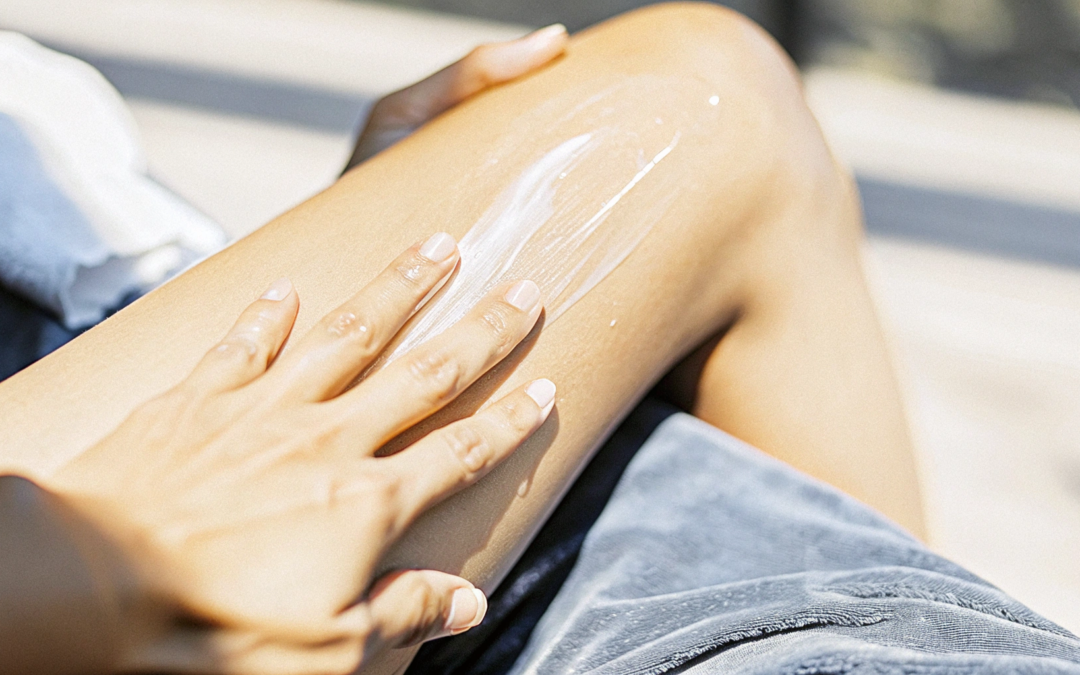
When joint pain flares up in a specific spot, like your knees, hands, or shoulders, topical treatments can be a game-changer. Instead of taking a pill that affects your whole body, you can apply relief directly where you need it most. This targeted approach is great for managing localized discomfort and can be a powerful part of your daily routine. Topicals work by using active ingredients that are absorbed through your skin to soothe the area underneath, offering a more direct way to address aches and stiffness.
Many people find that using a topical analgesic helps them stay active and manage stiffness without relying solely on oral medications, which can sometimes come with unwanted side effects. The key is finding a formula with ingredients that are proven to work. When you’re looking at different creams, balms, and roll-ons, it’s helpful to know what to look for on the label. Ingredients like menthol and camphor have a long history of use for muscle and joint discomfort, providing a soothing sensation that helps you feel better, faster. By understanding how these ingredients work, you can make an informed choice and find a product that truly fits your needs and helps you maintain your quality of life.
Why Menthol and Camphor Are Your Go-To Ingredients
If you’ve ever used a pain relief cream, you’ve likely felt the distinct cooling or warming sensation from menthol and camphor. These plant-based compounds are known as counterirritants. They work by creating a sensation on the skin that essentially distracts your brain from the deeper feelings of joint ache. The Arthritis Foundation explains that this cooling effect can provide convenient, localized relief. Think of it as a gentle, soothing signal that overrides the discomfort, allowing your joints to feel more at ease. This immediate sensory feedback is what makes these ingredients a reliable first choice for so many people managing daily arthritis pain.
Get Targeted Support with Dragon Pain Relief
Dragon Pain Relief balms and roll-ons are built on the power of menthol and camphor to deliver fast, targeted comfort. But we don’t stop there. Our formulas also include a blend of ancient herbs, terpenes, and nano-emulsified cannabinoids that work together to support the soothing effects of the active ingredients. Our proprietary Nano Boost Technology breaks down these supportive compounds into tiny particles, which allows for deeper absorption right where you apply it. This means you get a comprehensive formula designed to provide quick, effective, and targeted support for your aching joints and muscles, helping you get back to your day with more comfort.
Choose the Right Strength and Application for You
Finding the right product is about matching it to your lifestyle and pain levels. Dragon offers several convenient options to fit your routine. Our Roll-Ups are perfect for no-mess application on the go, while our Jars are great for covering larger areas like your back or legs. We also have different strengths to give you the right level of support. Whether you need gentle relief for mild stiffness or maximum support for more persistent discomfort, you can choose your strength accordingly. As with any new treatment, it’s always a good idea to talk with your healthcare provider to make sure a topical analgesic is a safe and appropriate choice for your specific condition.
Make Lifestyle Changes for Long-Term Relief
While therapies and topical treatments offer immediate comfort, building healthy habits is your secret weapon for managing arthritis pain over the long haul. Think of it as reinforcing your body from the inside out. Small, consistent changes to your daily routine can significantly reduce stress on your joints, lower inflammation, and improve your overall sense of well-being. These adjustments work hand-in-hand with other strategies, creating a strong foundation for a more active and comfortable life.
Making these changes isn’t about a complete overhaul overnight. It’s about finding sustainable practices that fit your life. Whether it’s adjusting your diet, moving a little more, or prioritizing rest, each step you take gives you more control over your symptoms. Let’s look at a few key areas where simple lifestyle shifts can make a big difference.
Protect Your Joints by Managing Your Weight
Your joints, especially your knees, hips, and back, are responsible for carrying your body weight every day. As the Mayo Clinic notes, extra weight can put additional pressure on these joints and make arthritis pain worse. Lightening the load, even by a few pounds, can lead to a noticeable reduction in discomfort and stiffness.
If you’re unsure where to start, a conversation with your doctor is the best first step. They can help you create a safe and effective plan for healthy weight loss that combines gentle exercise with balanced nutrition. This isn’t about a restrictive diet; it’s about finding a sustainable approach that protects your joints for years to come.
Eat Smarter with an Anti-Inflammatory Diet
The food you eat can either contribute to inflammation or help fight it. An anti-inflammatory diet focuses on whole, nutrient-dense foods that support your body’s natural healing processes. According to the Arthritis Foundation, you can fight arthritis pain without pills by filling your plate with fruits, vegetables, whole grains, and healthy fats.
Foods like fatty fish (think salmon and mackerel), nuts, seeds, and olive oil are particularly good at calming inflammation. On the other hand, processed foods, sugary drinks, and red meat can sometimes make symptoms worse. You don’t have to be perfect, but consistently choosing anti-inflammatory foods can help manage pain from the inside.
Manage Stress and Improve Sleep for Less Pain
Pain is physical, but your mental state plays a huge role in how you experience it. Stress and poor sleep can make you more sensitive to pain and create a frustrating cycle of discomfort and fatigue. This is where mind-body practices come in. Taking time to calm your nervous system can have a powerful effect on your pain levels.
Consider exploring relaxation techniques like meditation, deep breathing, or gentle yoga. Even spending quiet time in nature or listening to music can help. The goal is to find what works for you and practice it regularly. Getting enough quality sleep is also essential, as it allows your body to repair itself. A calm mind and a rested body are better equipped to handle the challenges of arthritis.
Myths vs. Facts: Non-Prescription Arthritis Relief
When you’re dealing with arthritis pain, it’s easy to get lost in a sea of information. Friends, family, and the internet are full of advice, but not all of it is helpful—or even true. Sorting through the noise to find what really works can feel like a full-time job. That’s why it’s so important to separate fact from fiction. Understanding the truth about common relief options helps you make smarter, safer choices for your body.
Many people reach for over-the-counter pills without a second thought, assuming they’re the only option. Others might be drawn to anything labeled “natural,” believing it’s automatically a better choice. And we’ve all seen ads promising a miracle cure that will make joint pain disappear overnight. Let’s clear up some of these common myths so you can build a pain management plan based on proven strategies, not empty promises. By focusing on what’s real, you can find lasting comfort and get back to doing what you love.
Rethinking Over-the-Counter Painkillers
Myth: If one pill helps a little, more will help a lot.
Fact: While over-the-counter (OTC) pain medicines can offer temporary relief, they aren’t a long-term solution and come with risks. Many different brands use just a few core ingredients, so it’s surprisingly easy to take too much without realizing it. For example, acetaminophen is often a first-line recommendation for osteoarthritis pain, but it has a daily limit, and many people find they need different options over time. It’s essential to read labels carefully and understand that these medications are best for short-term use, not for managing daily, ongoing arthritis discomfort.
Why “Natural” Isn’t Always Better
Myth: If it’s labeled “natural,” it must be safe and effective.
Fact: The word “natural” isn’t regulated, which means it can mean almost anything. Many people want to relieve arthritis pain without taking pills, and for good reason, but it’s important to choose plant-based solutions with proven ingredients. Instead of falling for vague marketing, look for products that use active ingredients with a long history of use, like menthol and camphor. These compounds are derived from plants and are well-known for their cooling and soothing properties, offering targeted relief right where you need it without the guesswork.
The Truth About Quick-Fix Promises
Myth: There’s a single product that will cure my arthritis pain for good.
Fact: There is no magic bullet for arthritis. True relief comes from a consistent and holistic approach. Managing arthritis pain is about creating a sustainable routine that addresses your unique needs from multiple angles. This means combining gentle movement, a supportive diet, stress-reducing practices like meditation, and effective topical relief. A quick fix might sound appealing, but a comprehensive plan that you can stick with day after day is what will truly make a difference in your comfort and mobility over the long haul.
Build Your Personal Pain Management Plan
Managing arthritis pain is about creating a personalized toolkit of strategies that work for your body and lifestyle. A great pain management plan is dynamic, combining different therapies and adapting as your needs change. Think of it as your personal roadmap to feeling better. By layering different approaches, tracking what works, and knowing when to ask for help, you can build a sustainable routine for long-term relief.
Combine Therapies for the Best Results
The most effective pain management plans often layer several different approaches. You might find that a combination of gentle movement, like daily walks, and mind-body practices, such as meditation, helps ease both physical and mental stress. The Arthritis Foundation highlights that many non-drug options can be very effective, including topical treatments. Applying a balm with proven ingredients like menthol and camphor, like our Dragon Pain Relief Roll-Ups, can provide targeted relief right where you need it. This allows you to soothe sore joints after activity, making it a powerful addition to your daily routine.
Track Your Progress and Adjust Your Plan
Your pain management plan is a living document. What works for you one month might need tweaking the next. Consider keeping a simple journal to note your pain levels, daily activities, and which therapies provide the most relief. This information is incredibly valuable for identifying patterns and making informed adjustments. It’s also important to remember that before starting a new exercise program or treatment, you should check in with your doctor or physical therapist. Be sure to tell your doctor about any changes in your pain, as this open communication is key to finding what works best for you.
Know When to Talk to a Professional
Self-care is empowering, but it’s also important to recognize when you need professional guidance. If your pain isn’t improving or is getting worse despite your best efforts, it’s time to schedule a visit with your doctor. This is especially true if you find that over-the-counter medicines aren’t providing the relief you need. A healthcare professional can help you explore other treatment options, adjust medications safely, and ensure there isn’t an underlying issue that needs attention. Think of your doctor as a key partner on your wellness team—being open about your experience is the best way to get the personalized care you deserve.
Related Articles
- Your Guide to Arthritis Pain Relief in Hands & Knees
- Heat vs. Cold Cream for Arthritis: Which is Best?
- The 7 Best Arthritis Products for Pain Relief
Frequently Asked Questions
Is it really safe to exercise when my joints already hurt? This is such a common and valid concern. The idea of moving a painful joint can feel completely counterintuitive, but gentle, consistent movement is one of the best things you can do. The key is to focus on low-impact activities that strengthen the muscles supporting your joints, which actually reduces the strain on them. Think of it less as a high-intensity workout and more as a way to keep your joints lubricated and flexible. Always listen to your body, start slowly, and consider talking with a doctor or physical therapist to create a plan that feels right for you.
How is using a topical product different from taking an over-the-counter pill? The main difference comes down to targeted versus systemic relief. When you take a pill, it travels through your entire bloodstream to work, affecting your whole body. A topical analgesic, on the other hand, is applied directly to the skin over the specific joint or muscle that’s bothering you. This allows active ingredients like menthol and camphor to deliver a soothing, cooling sensation right at the source of your discomfort, offering localized support without affecting the rest of your system.
I’m overwhelmed by all the lifestyle changes. Where’s the best place to start? Feeling overwhelmed is completely normal when you’re trying to build new habits. Instead of trying to change everything at once, pick one small, manageable thing that feels achievable for you. This could be as simple as going for a 10-minute walk each day, adding a handful of berries to your breakfast, or taking five minutes to do some deep breathing before bed. The goal is consistency, not perfection. Once that one small change becomes a habit, you can build on it from there.
Can I use heat and cold therapy on the same day? Absolutely. In fact, many people find that alternating between them is a very effective strategy. A great way to structure this is to use heat in the morning to ease stiffness and loosen up your joints for the day ahead. Then, after you’ve been active or if you notice swelling in the afternoon or evening, you can use a cold pack to calm any inflammation. Think of it as a simple daily rhythm: heat to get you going and cold to help you recover.
How do I know which strength of Dragon Pain Relief is right for me? Choosing the right strength depends on your personal needs and the level of support you’re looking for. All our formulas use the power of menthol and camphor for relief. Our Regular Strength formula is a great starting point for everyday aches. For more persistent discomfort, our Extra and Maximum Strength options include broad or full spectrum cannabinoids, which research suggests can provide additional support and enhance the overall effect. It’s about finding the level of support that helps you feel your best.