Pain relief balm remains a popular option for topical pain relief, with Tiger Balm being a well-known choice thanks to its distinctive scent and signature color. However, many users now seek alternatives that better match their individual preferences. This shift may be due to Tiger Balm’s strong aroma, small size, or preference for products with CBD. Navigating the market for the right pain relief solution can be challenging, given the numerous products that promise quick results. People familiar with muscle aches know that not all products deliver on their claims. We’re here to simplify your search. Recognizing the need for a reliable, effective, and convenient alternative to Tiger Balm, we’ve curated a list of top options to meet your specific requirements for pain relief. This guide highlights effective pain relief balm alternatives for targeted comfort where Tiger Balm may fall short. Whether you want a subtler scent, smoother texture, or CBD benefits, the ideal balm is waiting for you.
What is Tiger Balm?
Tiger Balm is a topical analgesic designed for temporary relief of minor muscular aches and pains. Formulated with camphor and menthol, it provides warmth or cooling to help ease discomfort. Many remember it for its unique somewhat overpowering scent and its deep red hue.
How Does Tiger Balm Work?
Tiger Balm operates on the principle of counterirritation. When applied topically, its active ingredients, primarily camphor and menthol, create a cooling and warming sensation on the skin. This sensation is meant to distract the body from the pain deeper in the muscles, joints, or ligaments. Menthol creates a cooling effect by activating cold receptors, while camphor delivers a gentle warming sensation to soothe discomfort. These sensory distractions are believed to decrease the perception of pain, offering temporary relief. However, it’s important to note that while these sensations can offer momentary comfort, they do not treat the underlying cause of the pain. Additionally, the efficacy of this method can vary significantly among individuals, with some finding great relief and others noticing little to no effect.
Why You Might Need a Tiger Balm Alternative
While Tiger Balm has been a go-to for quick topical pain relief for many, there are several reasons you might consider exploring other options:
- Overpowering Scent: The strong aroma of Tiger Balm can be too intense for some users, making it distracting or unpleasant, especially in close quarters or public spaces.
- Limited Jar Size: Tiger Balm is typically sold in very small containers, which might not be practical for those who use it regularly or need to apply it over larger areas of the body.
- Lacks Ingredient Variety: Tiger Balm’s formula mainly focuses on menthol and camphor. While an effective combination, some alternatives offer a broader range of active ingredients, like CBD, without strong scents or intense sensations.
- Texture and Residue: Some users find Tiger Balm’s texture to be too greasy or that it leaves a residue on the skin and clothing, which can be inconvenient and uncomfortable.
- Potency Needs: Individuals with varying levels of pain might require products with different potencies or targeted effects that Tiger Balm does not offer, from milder formulas to stronger, more concentrated relief solutions.
Given these considerations, it’s understandable why you might be in search of a Tiger Balm alternative that aligns more closely with your preferences. The market has responded with a variety of products designed to meet these diverse needs, ensuring that there’s a pain relief option out there for everyone!
The Anatomy of a Traditional Balm
To understand what makes a pain relief balm effective, it helps to look at what’s inside. Most traditional balms you’ll find on the shelf share a similar structure. They combine a simple base, a few key active ingredients, and distinct scents or colors to create their signature effects. Think of it as a basic recipe: a carrier that gives it substance, the ingredients that do the heavy lifting, and the sensory elements that define the experience. This basic anatomy is the foundation for many topical relief products, and knowing the role of each component can help you find the perfect match for your needs.
Base Ingredients and General Composition
At its core, a traditional balm is an oil-based or wax-based preparation. The foundation is typically made from simple, thick substances like beeswax or petroleum jelly. This waxy base isn’t just for show; it serves a crucial purpose. It acts as a carrier, holding the active ingredients together and allowing you to apply them smoothly onto your skin. This thick consistency also creates a barrier, which helps keep the active ingredients concentrated on the area where you need relief, rather than having them absorb too quickly or evaporate into the air. It’s the vehicle that delivers the relief right where you need it.
Common Active Ingredients and Their Effects
The real power of a traditional balm comes from its active ingredients, which are usually counterirritants. These ingredients work by creating a mild sensation on the skin—like cooling or warming—that distracts your brain from the deeper ache or pain. You’ll almost always find menthol and camphor on the ingredient list. Menthol provides that classic cooling feeling, while camphor offers a gentle warmth. Some balms also include ingredients like clove oil or capsaicin (the compound that makes chili peppers hot) to create a more intense heating sensation, further distracting from discomfort and helping to soothe sore spots.
The Role of Scent and Color
Have you ever noticed that different balms have very different smells and colors? That’s not an accident. These characteristics are usually determined by the blend of essential oils used in the formula. For example, a balm with cassia oil might have a cinnamon-like scent, while one with wintergreen will have a minty aroma. The distinct colors often signal a different formulation or strength. Beyond just identifying the product, the scent itself can play a role in your relief. The pleasant aroma of certain balms can have a soothing psychological effect, contributing to an overall feeling of comfort and well-being.
How Tiger Balm Compares to Other Traditional Asian Balms
Tiger Balm didn’t appear in a vacuum; it’s part of a rich and long-standing tradition of Asian topical remedies. If you’ve ever explored an Asian market, you’ve likely seen shelves lined with various balms, oils, and liniments, each with a unique purpose. Many of these products share the same core philosophy: using natural ingredients to create sensations on the skin that help distract from deeper aches and pains. While the principle is similar, the specific formulas, ingredient combinations, and intended uses can differ significantly. Understanding these variations can help you appreciate the nuances of traditional topical relief and find what works best for you.
Similar Heating Balms
Many traditional balms, like Tiger Balm, are known as “heating” balms. They work by using counterirritants—ingredients like camphor and menthol—to create a warming or tingling sensation on the skin. This sensation stimulates nerve endings and helps mask the feeling of pain in the underlying muscles and joints. While the core mechanism is the same across many of these products, the subtle differences in their formulas can lead to very different user experiences. Some balms might feel more intense, while others incorporate additional essential oils that alter the scent and provide other complementary benefits, making the choice a matter of personal preference.
Leopard Balm and Golden Cup Balm
Leopard Balm is often considered a direct counterpart to Tiger Balm. Its formulation is remarkably similar, with the primary distinction being the addition of eucalyptus oil. This gives it a slightly different aromatic profile that some users prefer for its clean, sharp scent. Golden Cup Balm is another popular alternative that also contains eucalyptus oil but adds wintergreen oil to the mix. Wintergreen is a source of methyl salicylate, a well-known analgesic that provides a distinct warming sensation. This makes Golden Cup Balm a more complex blend, offering a multi-layered sensory experience for those seeking relief from everyday aches.
White Monkey Balm and “Boxing” Balm
For individuals who find Tiger Balm’s effects to be too mild, other traditional options offer a more potent experience. White Monkey Balm, for instance, is another blend of common counterirritants that many users report feels stronger and is often more budget-friendly. Similarly, “Boxing” balm, a staple in the Muay Thai community in Thailand, is renowned for its intense heating effect. It’s specifically designed to warm up muscles before training and to soothe deep soreness after strenuous activity. The choice between these stronger balms often comes down to how much heat and intensity you’re looking for in a topical product.
Cooling Liniments for Acute Injuries
It’s a common misconception that all traditional Asian topicals are heating. In fact, there is a whole other category of cooling liniments designed specifically for acute injuries like sprains, strains, and fresh bruises. Unlike warming balms that are intended to soothe chronic, dull aches by increasing circulation, cooling formulas are meant to be used immediately after an injury. They provide a cooling sensation that helps reduce inflammation and numb the initial sharp pain, similar to what you would expect from topicals designed specifically for swelling and inflammation. Products like White Tiger Jengkoo Shui are classic examples of this type of remedy, making them the preferred choice for sudden injuries rather than persistent muscle soreness.
A Note on “Dragon & Tiger Brand Essential Balm”
While browsing for alternatives, you might encounter a product named “Dragon & Tiger Brand Essential Balm,” which can understandably cause some confusion. This is a separate, distinct product with its own unique herbal formula, not a collaboration. It’s made with 100% natural ingredients, including menthol, clove oil, peppermint, cinnamon, and camphor, and is used as a topical rub for joint and muscle pain. While it shares some common ingredients with other traditional balms, it stands on its own as another option in the vast and diverse world of Asian topical analgesics, showcasing the incredible variety available.
How to Choose the Best Pain Relief Balm for You
When choosing a pain relieving balm, consider the following factors to ensure you find the most suitable option for your needs:
- Active ingredients: Check for effective pain-relieving components such as menthol, camphor, capsaicin, or lidocaine, depending on whether you seek a cooling or warming sensation.
- Type of pain: Identify whether the balm is best for muscle soreness, joint pain, back pain, or targeted relief for specific areas.
- Application method: Pain relief balms come in various forms, including creams, gels, roll-ons, and patches. Select one that suits your preference for ease of use and convenience.
- Natural ingredients: If you prefer a more holistic approach, opt for balms that incorporate natural elements like arnica, eucalyptus, or lavender oil for additional benefits.
- Strength and potency: Choose a balm with a level of intensity that matches your pain, whether you need mild, regular, or extra strength.
- Application suitability: Assess the design and size of the balm’s packaging to ensure it’s practical for applying to the areas where you need relief most.
Each of these factors can help you select the pain relieving balm that fits your unique requirements.
Best Tiger Balm Alternatives
Considering Potential Tiger Balm’s drawbacks, we’ve curated alternatives that address these issues where it may fall short:
1. Dragon Pain Relief Balm
 Dragon Pain Relieving Balm is the top alternative to Tiger Balm, specifically crafted to meet the nuanced needs of individuals seeking effective, natural pain relief, and it is also offered in a convenient travel-friendly roll-up form. Utilizing a blend of carefully selected ingredients, including CBD, Menthol, and Camphor, Dragon Balm offers a balanced, soothing experience without the overpowering scent associated with Tiger Balm. Its formula is designed for better absorption with nano-emulsification technology, providing targeted relief to sore muscles and aching joints with a pleasant scent that respects your senses and surroundings. Beyond its soothing blend of CBD, Menthol, and Camphor, Dragon Balm distinguishes itself by offering tailored relief through Broad Spectrum and Isolate formulas, each designed to meet specific wellness needs.
- Broad Spectrum Formula: This version harnesses the full potential of hemp’s therapeutic properties, combining CBD with other beneficial cannabinoids like CBG and CBN for a comprehensive entourage effect. Ideal for those seeking a holistic approach to pain relief, it targets a broad range of discomforts.
- Isolate Formula: Focused on delivering pure CBD benefits, the Isolate formula is perfect for individuals looking for targeted relief with CBD as the main active ingredient, offering a straightforward approach to easing pain.
Dragon Balm is also available in Regular and Extra Strength options, allowing users to choose the right potency for their pain relief needs:
- Regular Strength: This formula offers Menthol at 3% and Camphor at 5%, providing a gentle yet effective solution for everyday aches and pains.
- Extra Strength: For those requiring more powerful relief, the Extra Strength version amplifies the Menthol to 11% and Camphor to 10%, offering an intensified experience for severe discomfort.
Dragon Pain Relieving Balm adapts to different pain types and intensities, catering to diverse preferences.
Safety and Application Tips
To get the most out of any pain relief balm, it’s important to use it correctly. Understanding when to use certain formulas and following a few simple safety measures will ensure you get effective relief without any unwanted side effects. Think of these tips as your guide to making your balm work better for you, helping you feel confident and comfortable with every application. Proper use not only maximizes the soothing benefits but also keeps your skin happy and healthy, making your path to relief a smooth and simple one.
When to Use Heating vs. Cooling Balms
Deciding between a heating or cooling balm depends on the type of pain you’re experiencing. Cooling balms, which often feature a high concentration of menthol, are generally best for new, acute injuries like a recent sprain or strain. The cooling sensation helps numb the area and can reduce inflammation, similar to how you’d use an ice pack. On the other hand, heating balms are ideal for chronic pain, muscle soreness, and stiffness that isn’t from a fresh injury. The warmth, often from ingredients like camphor, helps increase blood flow to the area, which can relax tight muscles and soothe persistent aches. For example, a heating balm is great for old bruises or sore muscles the day after a tough workout.
General Safety Precautions
Before you apply a new balm, it’s always smart to do a patch test. Apply a small amount to your inner forearm and wait 24 hours to see if any irritation occurs, especially if you have sensitive skin. When you’re ready to apply it more broadly, make sure to avoid broken skin, wounds, and sensitive areas like your eyes and mouth. Always wash your hands thoroughly after application to prevent accidentally touching your face. It’s also important to follow the product’s usage instructions and not over-apply, as some ingredients can cause reactions if used excessively. If you have any known allergies, take a moment to review the product’s ingredients. And if you are pregnant, breastfeeding, or have a pre-existing medical condition, consulting with a healthcare professional first is always the best course of action.
Pros:
- Enhanced with CBD: CBD is incorporated due to enhancing wellness benefits, offering a broader spectrum of relief without the need for synthetic ingredients.
- Subtle, Refreshing Scent: Formulated with natural essential oils, Dragon Balm presents a mild and appealing aroma, ensuring the sensory experience is as soothing as the physical relief it provides.
- Practical Packaging: Available in generously sized containers, Dragon Balm offers practicality and convenience for regular users, ensuring you have ample supply for comprehensive application.
- Varied Potency Options: Catering to individual pain relief needs, Dragon Balm is available in both Regular and Extra Strength formulations, allowing users to choose the ideal level of potency.
- All-Natural Ingredients: Free from harsh chemicals, Dragon Balm is committed to providing safe and natural alternatives for pain management, supporting your wellness without compromise.
Cons:
- Higher Upfront Cost: Though Dragon Pain Relieving Balm may have a higher purchase cost compared to Tiger Balm, it provides exceptional value through significantly larger quantities. Each tub offers nearly triple the volume, ensuring lasting relief and extended use without frequent repurchases.
Pricing:
- Dragon Pain Relieving Balm Isolate Jar Regular Strength: $12.99
- Dragon Pain Relieving Balm Regular Broad Spectrum Jar: $15.99
- Dragon Pain Relieving Balm Isolate Jar Xtra Strength: $21.99
- Dragon Pain Relieving Balm Xtra Broad Spectrum Jar: $23.99
Tiger Balm vs Dragon Pain Relieving Balm
Dragon is the better option due to its all-natural ingredients, customizable potency levels, and the inclusion of CBD for enhanced wellness benefits. Explore Dragon Pain Relieving Balm.
2. Dragon Pain Relieving Lotion
 Dragon Pain Relieving Lotion offers a luxurious, non-greasy alternative to traditional pain relief creams.
- Regular Strength: Ideal for daily discomfort and mild aches, this formula blends Menthol (3%) and Camphor (5%) for soothing relief.
- Extra Strength: Designed for intense and persistent pain, this formula increases the concentrations of Menthol to 11% and Camphor to 10% for potent, fast-acting relief.
Pros:
- Moisturizing Benefits: Enriched with Aloe Vera and Coconut Oil, the lotion relieves pain while moisturizing, leaving skin soft and healthy.
- Pleasant Aroma: Offers a light, refreshing fragrance that enhances the relief experience without overwhelming the senses.
- Focused Relief: The Broad Spectrum formula ensures a wide-reaching effect, targeting multiple types of pain with the synergy of cannabinoids.
- Adaptable Strength: Available in both Regular and Extra Strength to suit varying degrees of pain, ensuring tailored comfort.
- Pure and Natural: Avoids synthetic additives, focusing on natural ingredients for a safe, therapeutic approach to pain relief.
Cons:
- Investment in Wellness: This option is more expensive than some alternatives. However, its effectiveness, skin benefits, and generous volume justify the investment for lasting relief and wellness.
Pricing:
- Dragon Pain Relieving Lotion Regular Broad Spectrum: $27.99
- Dragon Pain Relieving Lotion Xtra Broad Spectrum: $41.99
Tiger Balm vs Dragon Pain Relieving Lotion
Between Tiger Balm and Dragon Pain Relieving Lotion, Dragon Lotion wins with its luxurious, non-greasy formula enriched with CBD and natural ingredients. It offers adaptable strength options and skin health benefits, making it an optimal choice for comprehensive pain relief and wellness. Explore Dragon Pain Relieving Lotion.
3. Bengay
 Bengay is a topical pain relief cream designed to alleviate aches and pains associated with muscle soreness, joint pain, and minor arthritis. It features a formula that contains three active ingredients: Camphor, Menthol, and Methyl Salicylate.
Pros:
- Contains a combination of multiple pain-relieving ingredients.
- Non-greasy formula.
- Offers relief for a variety of aches and pains, including arthritis and backache.
Cons:
- The strong scent of the active ingredients might be overwhelming for some users.
- The use of Methyl salicylate might raise concerns for those cautious about synthetic ingredients.
Pricing:
- Ultra Strength Pain Relief Cream: $10.99
Tiger Balm vs Bengay
Tiger Balm offers a natural approach while Bengay has a multi-ingredient formula.
4. Biofreeze
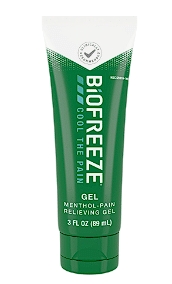 Biofreeze offers a menthol-based formula aimed at relieving muscle and joint pain through a cooling sensation. Designed for various discomforts including sore muscles, joint pain, backaches, arthritis, strains, bruises, and sprains.
Pros:
- Relief with a cooling sensation.
- Suitable for a broad range of pains.
- Easy application for both small and large muscle areas.
Cons:
- Relies solely on cold therapy, which might not be sufficient for all types of pain.
- The cooling effect may not be preferred by all users.
- Menthol scent might be strong for some individuals.
Pricing:
- Biofreeze Pain Relieving Gel: $11.99
Tiger Balm vs Biofreeze
Tiger Balm offers targeted warmth while Biofreeze provides cooling relief.
5. Voltaren
 Voltaren is a non-steroidal anti-inflammatory gel (NSAID) recognized for its use in treating arthritis pain by directly targeting the source of discomfort, particularly for people looking for reliable topical options for hand arthritis. Widely available over-the-counter, it’s been a go-to product for many. However, this may not be suitable for those with concerns over the side effects of NSAIDs like blood pressure and kidney risks.
Pros:
- Formulated to alleviate arthritis pain.
- Non-greasy formula with a clean scent.
Cons:
- Can’t be used on backs, hips, shoulders, and necks.
- Contains diclofenac, an NSAID, which may not be suitable for everyone, especially those with sensitivities to such medications.
- Recommended for arthritis pain, which might limit its use case for those with other types of muscle or joint pain not related to arthritis.
- Must be applied four times daily for optimal results, which may be inconvenient for some users.
Pricing:
- Voltaren Diclofenac Sodium Topical Arthritis Pain Relief Gel Tube: $25.49
Tiger Balm vs Voltaren
Tiger Balm provides a herbal solution for muscle and joint pain with warmth, while Voltaren targets arthritis pain with NSAIDs.
6. Dr. Bronner’s Arnica Menthol Balm
 Dr. Bronner’s Arnica-Menthol Organic Magic Balm offers a natural remedy to soothe sore muscles and achy joints with a blend of organic ingredients including arnica, camphor, menthol, and peppermint oils. It is formulated with a base of organic beeswax and oils like avocado, coconut, olive, jojoba, and hemp, aiming to nourish and moisturize the skin. This balm does not contain any synthetic ingredients.
Pros:
- Made with organic beeswax and oils, providing moisture to the skin.
- Certified USDA organic and fair trade;
Cons:
- The specific blend of essential oils may not suit all preferences, especially for users sensitive to strong scents.
- The proprietary blend of ingredients might leave some users questioning the exact strength and concentration of this product.
Pricing:
- Dr. Bronner’s Arnica Menthol Magic Balm: $11.99
Tiger Balm vs Dr. Bronner’s
For those who prioritize organic ingredients, Dr. Bronner’s will makes sense over Tiger Balm.
7. Cymbiotika Ultimate Pain Balm
 Cymbiotika Ultimate Pain Balm is designed for relief from muscle and joint discomfort. This balm combines the cooling effects of menthol crystals with the warmth of herbal oils such as peppermint, turmeric, lavender, and eucalyptus. Its formulation is aimed at soothing and cooling areas under the skin affected by pain, providing a natural alternative for those seeking relief without synthetic ingredients.
Pros:
- Natural ingredients
- Cooling and warming sensations from menthol and herbal oils
Cons:
- The highest price point in this entire list
- The complexity of the herbal blend might not suit those looking for a straightforward menthol or camphor solution.
Pricing:
- Ultimate Pain Balm: $56.00
Tiger Balm vs Cymbiotika
If you’re okay with the higher price tag, Cymbiotika can work. If you’re on a tighter budget, Tiger Balm will do just fine.
8. Humble Brands CBD Comfort Bar Balm
 The Humble Brands CBD Comfort Bar Balm combines 1000mg of organic hemp extract with natural ingredients for pain relief. The balm’s ingredients include fractionated coconut oil, wild-harvested candelilla wax, hemp seed oil, and more for moisturizing relief.
Pros:
- Utilizes a broad spectrum of naturally occurring compounds from the hemp plant for pain relief without detectable levels of THC.
- Biodegradable, plastic-free packaging.
Cons:
- Higher price point compared to many other options on this list.
- Lack of strength varieties.
Pricing:
- CBD Comfort Bar Topical Balm: $34.99
Tiger Balm vs Humble Brands
Humble Brands offers a modern, CBD-focused formula while Tiger Balm has an herbal approach to pain relief.
More About Tiger Balm & Topical Pain
Let’s take a look at some commonly asked questions about tiger balm and topical pain so that you make the best decision for your muscle pain relief.
Are Topical Analgesics Effective?
Yes, topical analgesics can be effective in treating pain from a range of conditions, such as chronic musculoskeletal pain, acute soft tissue injuries, and neuropathic pain disorders. They offer a safer alternative or a complementary therapy to other treatment options.
How Long Does It Take Topical Pain Relief to Work?
The onset of relief can be quick, often within minutes, as the active ingredients are absorbed directly at the site of application. Products like the Dragon Pain Relief Balm have nano-emulsification technology that enhances the absorption of each ingredient for better pain relief.
What can I use instead of Tiger Balm?
For those seeking alternatives to Tiger Balm, Dragon Pain Relief Balm is the best option due to its natural ingredients providing a versatile and effective solution for pain relief.
What is the best balm for sore muscles?
Dragon Pain Relief Balm is highly recommended for sore muscles, offering an effective blend of CBD, menthol, and camphor, designed for fast absorption and effective relief.
Use the Best Tiger Balm Alternative for Topical Pain Relief
When looking for pain relief balm, many seek effective options without the strong scent, small size, or limited potency. Dragon Pain Relieving Balm addresses these issues, offering a milder aroma and larger size for frequent use. More importantly, Dragon Pain Relief Balm includes CBD in its broad spectrum formula, providing a holistic approach to wellness that Tiger Balm lacks. With advanced absorption technology, it targets discomfort while emphasizing natural, comprehensive care in every product. This approach makes it the best choice for those prioritizing both efficacy and wellness in their pain management routine. Explore Dragon Pain Relief products today.