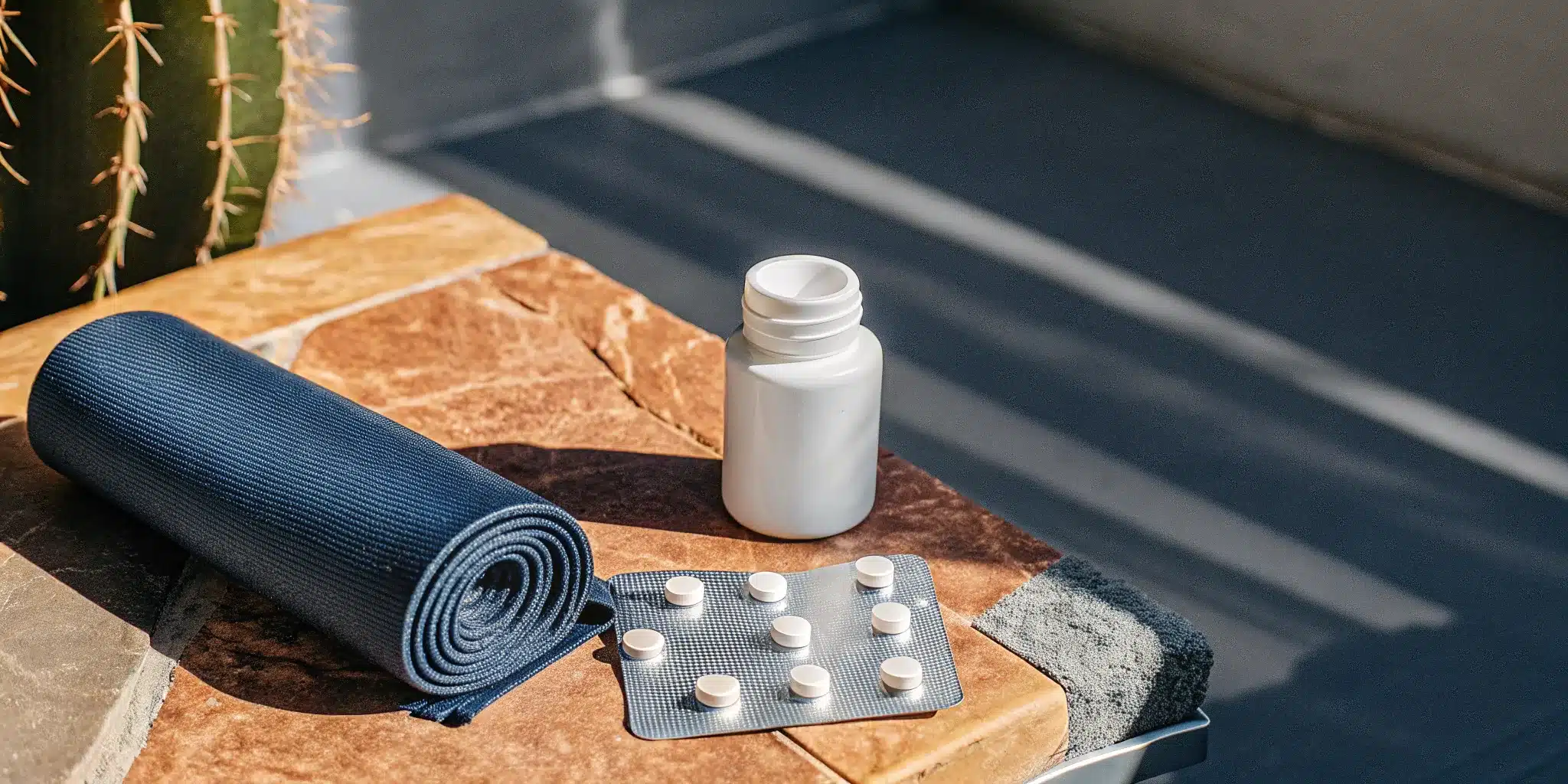
Have you ever felt like you could predict a summer storm because your knees started aching? Or noticed your hands feel swollen and stiff on a particularly humid day? You’re not alone. Our bodies are surprisingly in tune with the weather, and for many of us, that means summer heat can trigger a new level of discomfort. Understanding the connection between high temperatures, dehydration, and joint pressure is the first step toward finding relief. We’ll break down the science in simple terms and give you actionable steps to counter these effects, helping you find the best pain relief options for hot Texas summers.
Key Takeaways
- Plan your day around the heat: Avoid peak temperatures by scheduling outdoor activities for early mornings or evenings, and create a cool indoor environment to help reduce swelling and discomfort.
- Hydration and nutrition are non-negotiable: Drink plenty of water and balance your electrolytes to keep joints lubricated, and focus on an anti-inflammatory diet to support your body’s response to pain.
- Adapt your activity and have relief ready: Choose low-impact, temperature-friendly exercises like swimming or indoor yoga, and use a cooling topical with menthol and camphor for immediate, targeted support after you move.
How Does Hot Weather Worsen Chronic Pain?
If you feel like your aches and stiffness flare up when the temperature rises, you’re not imagining it. The summer heat, humidity, and even afternoon thunderstorms can have a real impact on your body, especially if you manage chronic pain. Understanding why this happens is the first step toward finding effective relief. The most common culprits are increased inflammation from swelling, the effects of dehydration on your joints, and changes in air pressure that come with summer storms. Let’s look at how these environmental triggers work so you can create a plan to stay comfortable all season long.
Understanding Heat, Inflammation, and Swelling
Ever notice your rings feel tighter in the summer? That’s because heat causes the tissues in your body to expand. For someone with sensitive or arthritic joints, this can be a major source of pain. As experts explain, “Heat can make body tissues expand, which puts more pressure on joints and causes swelling and stiffness.” This added pressure can irritate nerves and increase inflammation in already tender areas, leading to that familiar throbbing or aching sensation. The body’s response is often more swelling, creating a cycle of discomfort that can be hard to break.
Why Dehydration Makes Your Joints Ache
Staying hydrated is always important, but it’s critical when you’re managing pain in the heat. When you sweat, you lose essential fluids, which can quickly lead to dehydration. This has a direct impact on your joints and muscles. Dehydration reduces the synovial fluid that cushions your joints, and as experts note, “When you’re dehydrated, the cushioning in your joints can dry out, making movement more painful.” It can also trigger muscle cramps and stiffness, as your muscles don’t have the water they need to contract and relax properly.
The Link Between Summer Storms and Pain Sensitivity
Have you ever felt like you could predict a storm because your joints started aching? There’s science to back that up. The culprit is barometric pressure, the weight of the air around us. Right before a summer storm, this pressure often drops, which can allow the tissues and fluids around your joints to expand slightly. While subtle, this swelling can be enough to irritate nerves and increase pain for those with chronic conditions like arthritis. It’s a reminder that our bodies are surprisingly in tune with the environment.
Find Effective Pain Relief in High Temperatures
When the temperature climbs, the last thing you want is for your pain to flare up with it. The heat, humidity, and even barometric pressure changes from summer storms can make aches feel more intense. But you don’t have to spend the season sidelined. With a few smart strategies, you can manage discomfort and still enjoy everything summer has to offer. Here are some practical ways to find relief when the weather gets hot.
Cool Down with Dragon Pain Relief Topicals
One of the fastest ways to counter heat-related discomfort is with a cooling topical. Our balms and Roll-Ups are formulated with menthol and camphor, two powerful ingredients known for creating an instant cooling sensation that soothes sore muscles and joints. This cooling effect provides welcome relief on hot, sticky days. The addition of nano-emulsified, full-spectrum cannabinoids works to support the formula’s effectiveness, offering extra backup for your everyday aches. The no-mess roll-up applicator is perfect for tossing in your bag for on-the-go relief at the beach, on a hike, or after a workout in the sun.
Time Your Over-the-Counter Medications
If you rely on over-the-counter medications, timing can be everything during the summer. Some medications can increase your sensitivity to the sun or contribute to dehydration, making the heat feel even more oppressive. It’s a good idea to chat with your doctor or pharmacist about the best time of day to take your medication to minimize these effects. Planning ahead can help you stay on top of your pain management routine without letting the side effects get in the way of your summer plans. Staying consistent helps prevent pain from escalating on particularly hot days.
Create a Cool, Comfortable Indoor Space
Your home should be a sanctuary from the summer heat. Keeping your indoor environment cool is a simple but effective way to help manage pain and inflammation. Use your air conditioning or fans, and be sure to draw the blinds or curtains during the hottest parts of the day to block out the sun. When your body doesn’t have to work so hard to stay cool, it has more energy to manage pain signals. If your home gets too warm, consider spending a few hours at a library, community center, or shopping mall to give your body a break in a climate-controlled space.
Choose Lightweight Clothing and Cooling Gear
What you wear can have a major impact on your comfort levels in the heat. Opt for lightweight, loose-fitting clothing made from breathable fabrics like cotton, linen, or moisture-wicking athletic materials. These fabrics allow air to circulate and sweat to evaporate, which helps regulate your body temperature naturally. Dark colors absorb heat, so stick to lighter shades. You can also accessorize with cooling gear like a wide-brimmed hat to shield you from the sun or a damp cooling towel around your neck for instant relief when you’re outdoors.
Stay Hydrated to Keep Pain at Bay
One of the simplest yet most effective ways to manage pain during a hot Texas summer is to stay hydrated. Your body relies on water for just about everything, from lubricating your joints to regulating your temperature. When you’re running low on fluids, especially in intense heat, you’re setting the stage for increased aches, stiffness, and cramping. Making hydration a priority is a foundational step in feeling your best, allowing other pain management strategies, like using a topical analgesic, to work more effectively.
How Dehydration Causes Muscle Cramps and Stiffness
Have you ever noticed that your muscles feel tighter or you’re more prone to cramps on a hot day? Dehydration is often the culprit. When your body doesn’t have enough water, it can’t efficiently flush out metabolic waste and inflammatory byproducts from your muscles. This buildup can lead to soreness and stiffness. Furthermore, water is a key component of the synovial fluid that cushions your joints. When you’re dehydrated, this fluid can become less viscous, leading to more friction and discomfort with movement. Staying hydrated helps keep your muscles functioning smoothly and your joints properly lubricated, reducing the risk of painful cramps and aches.
Your Guide to Optimal Summer Hydration
The Texas heat means you’re losing more water through sweat, so you need to be proactive about replacing it. Don’t wait until you feel thirsty, as that’s an early sign you’re already dehydrated. A great habit is to carry a reusable water bottle with you everywhere you go as a constant reminder to sip throughout the day. You can also eat your water by incorporating hydrating foods like watermelon, cucumbers, and strawberries into your diet. Aim to drink consistently, especially before, during, and after any physical activity. This simple practice helps maintain that essential cushioning in your joints and keeps your muscles from feeling overworked and sore.
Balance Electrolytes to Support Your Joints
When you sweat, you lose more than just water; you also lose essential minerals called electrolytes, like potassium and sodium. These minerals are critical for muscle function and nerve signaling. An imbalance can quickly lead to muscle cramps, spasms, and fatigue. If you’re active in the heat, it’s important to replenish these minerals. You can do this by drinking coconut water, adding a pinch of sea salt to your water, or eating electrolyte-rich foods like bananas and avocados. Keeping your electrolytes in check is a key part of a complete recovery routine, especially after a workout where you might also reach for one of our pain relief Roll-Ups for targeted muscle support.
Stay Active Without Overheating
When you live with pain, staying active is one of the best things you can do for your body. Movement helps keep your joints lubricated, your muscles strong, and your mind clear. But when the Texas heat cranks up, the last thing you want to do is move. The combination of high temperatures and humidity can make exercise feel draining and can even intensify your discomfort.
The good news is you don’t have to choose between managing your pain and staying cool. It’s all about working smarter, not harder. By adjusting what you do, where you do it, and when, you can maintain a healthy activity level all summer long without risking a flare-up from overheating. These strategies will help you find that perfect balance, so you can keep moving comfortably and confidently, even on the hottest days.
Try Swimming and Water Workouts
If you’re looking for the perfect summer exercise, head to the pool. Water workouts, sometimes called aquatic therapy, are fantastic for anyone with joint pain or stiffness. The natural buoyancy of water supports your body weight, which takes the pressure off your hips, knees, and spine. This low-impact environment allows you to build strength and improve your range of motion without the strain of land-based exercises.
You can try swimming laps, joining a water aerobics class, or simply walking from one end of the pool to the other. Even gentle stretching in the water can feel amazing. The water keeps you cool and comfortable while providing gentle resistance to help you get stronger. It’s a refreshing way to stay active and support your joints when the weather is hot.
Move Indoors for Yoga and Gentle Stretching
When it’s just too hot to be outside, take your workout indoors. An air-conditioned space provides a safe and comfortable environment to keep your body moving. Activities like yoga, tai chi, and gentle stretching are excellent choices because they improve flexibility, balance, and body awareness, which are all key components of effective pain management. Many studies have shown that a consistent yoga practice can be helpful for people dealing with long-term pain.
If yoga isn’t your thing, consider walking at an indoor mall, using a stationary bike at the gym, or doing some light strength training at home. The goal is to find an activity you enjoy in a cool setting. This allows you to focus on your movement without the added stress of battling the heat.
Schedule Activity for Cooler Parts of the Day
Timing is everything during a Texas summer. If you love exercising outdoors, you still can, as long as you schedule it for the right time. Avoid being active during the hottest part of the day, which is typically between 11 a.m. and 4 p.m. Instead, plan your walks, jogs, or gardening for the early morning or later in the evening when the temperatures are much more pleasant.
This simple shift can make a world of difference in your comfort and energy levels. An early morning walk can be a peaceful start to your day, while an evening stroll is a great way to unwind. Keep one of our travel-size balms in your bag for quick, cooling relief powered by menthol and camphor right after your activity.
Use Mindfulness to Manage Discomfort
Managing pain isn’t just a physical challenge; it’s a mental one, too. Practices like meditation and mindful breathing can be incredibly powerful tools for changing your relationship with discomfort. These techniques won’t make the pain disappear, but they can help you control how you respond to it. Mindfulness teaches you to observe your body’s sensations without judgment, which can lower stress and reduce the intensity of your pain signals.
You can practice mindfulness anywhere, but a cool, quiet room is ideal. Try setting aside just five or ten minutes a day to sit quietly and focus on your breath. There are many guided meditations available online specifically for pain management that can help you get started. It’s a simple, effective way to support your well-being from the inside out.
Use Hot and Cold Therapy the Right Way This Summer
Knowing whether to grab an ice pack or a heating pad can feel confusing, but it’s one of the simplest ways to manage aches and discomfort at home. Using temperature therapy correctly can make a huge difference in how you feel. The general rule is simple: ice for new injuries and heat for lingering stiffness. Let’s look at how to apply each method safely and effectively, so you can get back to enjoying your summer.
When to Apply Cold Therapy for Acute Pain
Think of cold therapy for new, acute injuries. If you’ve just twisted an ankle, strained a muscle at the gym, or are dealing with a fresh bout of swelling, an ice pack is your best friend. The cold temperature helps constrict blood vessels, which can reduce inflammation, swelling, and numb the sharp pain associated with a recent injury. For effective relief, you’ll want to apply a cold pack soon after the injury occurs. This simple step can help manage discomfort right from the start and support a smoother recovery process.
How to Apply Heat for Chronic Aches
Heat therapy is ideal for chronic, persistent aches that don’t involve swelling. It works by increasing blood flow to the affected area, which helps relax tight muscles and soothe stiff joints. This makes it a great choice for managing long-term conditions like arthritis, general muscle tension in your neck and back, or menstrual cramps. A warm compress or a heating pad can provide comforting relief that eases into your muscles. Just be careful not to apply heat for too long or at too high a temperature to avoid skin irritation.
Combine Therapies with Cooling Menthol and Camphor
For a different kind of cooling sensation, a topical balm can be a fantastic alternative or complement to ice. Products formulated with menthol and camphor create a cooling effect on the skin that helps distract from underlying discomfort. Our Dragon Pain Relief Roll-Ups and Jars use these powerful active ingredients to deliver targeted relief. The formulas also include nano-emulsified cannabinoids and terpenes, which provide added support and work with the menthol and camphor to soothe your muscles and joints exactly where you need it.
Follow Best Practices for Safe Temperature Therapy
To get the most out of hot and cold therapy, it’s important to use them safely. Never apply ice or a heat pack directly to your skin. Instead, wrap it in a thin towel or cloth to create a protective barrier. According to health experts, you should limit each session to about 15 to 20 minutes at a time. You can repeat the therapy several times a day, but give your skin a break in between to return to its normal temperature. This prevents potential skin damage like frostbite or burns.
Make Simple Lifestyle Changes for Big Relief
Managing pain during the hot summer months isn’t just about what you do when a flare-up happens. It’s also about the small, consistent choices you make every day. By making a few simple adjustments to your routine, you can build a strong foundation for comfort and reduce the impact of heat on your body. These lifestyle shifts work hand-in-hand with targeted relief options, helping you feel more in control and better equipped to handle whatever the season throws your way. Think of it as creating a supportive environment for your body, both inside and out. These strategies are practical, easy to implement, and can make a significant difference in your daily comfort levels, allowing you to focus more on enjoying the summer instead of just getting through it.
Plan Your Day Around Peak Heat
One of the smartest ways to manage pain in the summer is to work with the weather, not against it. The Texas heat is most intense between 11 a.m. and 4 p.m., so try to schedule your outdoor activities for the cooler morning or evening hours. A gentle walk after sunrise or some time in the garden as the sun sets can feel much better on your joints than a midday errand run. When the sun is at its peak, stay inside where you can enjoy the air conditioning. This simple shift in scheduling helps you avoid the worst of the heat and humidity, which can reduce swelling and prevent your body from becoming over-stressed. It’s a small change that helps conserve your energy for the things you love.
Adopt an Anti-Inflammatory Diet
What you eat can have a direct impact on inflammation levels in your body, which often translates to how your joints feel. You can support your body from the inside out by focusing on an anti-inflammatory diet. Fill your plate with leafy greens like spinach and kale, fatty fish such as salmon, and antioxidant-rich berries. Healthy fats from olive oil, nuts, and seeds are also great choices. At the same time, try to limit foods known to contribute to inflammation, including processed snacks, sugary drinks, fried foods, and red meat. Staying hydrated and eating well gives your body the nutrients it needs to feel its best, even when the temperature soars.
Optimize Your Bedroom for Pain-Free Sleep
A hot, sticky night can easily lead to poor sleep, and a lack of restorative rest can make pain feel more intense while slowing down your body’s natural healing processes. Creating a cool, comfortable sleep sanctuary is key to managing pain. Start by using blackout curtains to block daytime heat and investing in breathable bedding made from materials like cotton or linen. A fan or air conditioner can keep the air circulating and the temperature down. Taking a cool shower before bed can also lower your body temperature, making it easier to drift off. Prioritizing quality sleep is one of the most effective things you can do for pain management.
Build Your Ultimate Summer Pain Management Kit
Being prepared for a pain flare-up means you can address it quickly and effectively. Your summer kit should include a few key items for fast relief. Keep a reusable cold pack in the freezer to apply to sore joints for 15 to 20 minutes at a time. It’s also wise to have a water bottle handy to stay hydrated and electrolyte packets to replenish what you lose through sweat. For targeted, on-the-go comfort, add one of our Dragon Pain Relief Roll-Ups. The cooling menthol and camphor provide immediate relief, while the no-mess applicator is perfect for your gym bag, car, or purse, ensuring you’re always ready for action.
Related Articles
- Why Humidity Causes Joint Pain & How to Find Relief
- Why Humidity & Joint Pain Are Worse in the South
Frequently Asked Questions
Why does my pain seem to get worse when it’s hot outside? It’s a common experience, and there are a few reasons for it. High temperatures can cause the tissues in your body to expand, which puts extra pressure on already sensitive joints. You also lose more fluids through sweat, and even minor dehydration can reduce the natural cushioning in your joints, making movement more uncomfortable. Finally, the drop in air pressure that often comes before a summer storm can also cause tissues to swell, leading to more aches.
How does a cooling topical help when the weather is already hot? It might seem counterintuitive, but the relief comes from specific active ingredients, not just a change in temperature. Our formulas use menthol and camphor to create a cooling sensation directly on your skin. This sensation helps distract your brain from the underlying feelings of discomfort in your muscles and joints. The cannabinoids included in our balms and roll-ups are there to provide extra support, working alongside the menthol and camphor for a more complete effect.
What are the best ways to exercise if I have joint pain and it’s hot? The key is to choose low-impact activities in a cool environment. Swimming or water aerobics are fantastic options because the water supports your body weight, taking all the pressure off your joints while keeping you cool. You can also move your workout indoors to an air-conditioned space for activities like gentle yoga or stretching. If you love being outside, just be sure to schedule your walks or other activities for the early morning or late evening when the temperatures are much lower.
Should I use an ice pack or a heating pad for summer aches? A great rule of thumb is to use cold for new injuries and heat for old stiffness. If you have a recent strain or a flare-up with visible swelling, an ice pack can help reduce inflammation. Apply it for about 15 minutes at a time. For chronic, lingering muscle tightness or joint stiffness without any swelling, a heating pad can help relax the area and increase blood flow.
Besides staying hydrated, what’s one simple change I can make to feel better this summer? Focus on creating a cool and comfortable sleeping environment. Poor sleep can make pain feel much more intense, and it’s hard to get quality rest when you’re hot. Use blackout curtains to keep your room from heating up during the day, choose lightweight cotton or linen sheets, and use a fan to keep the air circulating. A cool shower before bed can also help lower your body temperature, making it easier to fall asleep and stay asleep.