When hand pain strikes, the first instinct for many is to reach for a pill. While oral medications can be effective, they affect your entire body and may come with side effects, especially when used long-term. This has many people asking if the best pain reliever for arthritis in hands has to come from a bottle. What if you could deliver relief directly to the source of your discomfort? This guide explores the powerful advantages of topical treatments that work right where you hurt, offering a more targeted approach with fewer systemic risks. We’ll cover how plant-based ingredients and other natural strategies can provide effective, daily support for your joints.
Key Takeaways
- Know your options for relief: Oral medications like NSAIDs address body-wide inflammation, while topical treatments deliver focused comfort directly to your hands, allowing you to match the method to your symptoms.
- Prioritize targeted relief with topicals: Applying a balm or roll-on with menthol and camphor directly to your hands provides fast, localized comfort and helps you avoid the potential body-wide side effects of some oral medications.
- Build a comprehensive and safe routine: Combine effective treatments, such as using topicals for flare-ups, with natural habits like gentle hand exercises, and always consult your doctor to ensure your plan is safe and personalized.
What is Hand Arthritis?
If you’ve ever felt a deep, persistent ache in your hands or found it harder to open a jar, you might be dealing with arthritis. Simply put, arthritis is inflammation in one or more of your joints. When it settles into the small, delicate joints of your hands, fingers, and wrists, it can make even the simplest daily activities feel like a challenge. It’s more than just a minor ache; it’s a condition that can affect your grip, your dexterity, and your ability to do the things you love. Understanding what’s happening inside your joints is the first step toward finding effective relief and getting back to your routine.
How arthritis affects your hand joints
Inside each of your joints is a smooth lining called the synovium, which helps everything move freely. When arthritis occurs, this lining becomes inflamed and swells up, creating pain, stiffness, and sometimes a feeling of warmth. In your hands, this process can be especially frustrating. The swelling can limit your range of motion, making it difficult to bend your fingers or make a fist. Over time, this persistent inflammation can damage the cartilage that cushions your bones, leading to more friction and discomfort. This is why an activity as simple as writing or typing can become painful.
Common types: osteoarthritis vs. rheumatoid arthritis
While there are many types of arthritis, two are most likely to affect the hands. The most common is osteoarthritis (OA), often called “wear and tear” arthritis. It happens when the protective cartilage on the ends of your bones wears down over time. The other is rheumatoid arthritis (RA), which is an autoimmune disease. With RA, your immune system mistakenly attacks your own joint linings. Understanding the type of arthritis you have is key, as it helps determine the best approach to managing your symptoms and finding relief.
Key symptoms and their impact on daily life
The early symptoms of hand arthritis often start as a dull ache or a burning sensation in your finger or wrist joints. You might notice your joints feel stiff, especially in the morning, or that the pain gets worse with activity or even a change in the weather. This isn’t just a minor inconvenience. This discomfort can make it tough to button a shirt, hold a coffee cup, or turn a key. Over time, these challenges can add up, affecting your work, hobbies, and overall quality of life.
What Are the Best Pain Relievers for Hand Arthritis?
Finding the right way to manage hand arthritis pain can feel overwhelming, but you have several effective options. From pills you can find at any pharmacy to targeted treatments you apply directly to your skin, the best choice often depends on your specific symptoms and pain level. Let’s walk through the most common pain relievers to help you find what works for you.
Over-the-counter (OTC) options like NSAIDs
When your hands feel stiff and swollen, over-the-counter NSAIDs are often a first stop. NSAIDs, or nonsteroidal anti-inflammatory drugs, are designed to tackle both pain and the inflammation that causes it. You’ll recognize common options like ibuprofen (Advil, Motrin) and naproxen (Aleve) on pharmacy shelves. According to healthcare experts, these oral medications can be quite effective for the discomfort associated with arthritis. They work throughout your body to reduce inflammation, which can be especially helpful when multiple joints in your hands are acting up. It’s a straightforward approach for getting widespread relief when you need it.
Acetaminophen for non-inflammatory pain
If your primary complaint is aching pain without a lot of noticeable swelling, acetaminophen might be a better fit. Sold most commonly under the brand name Tylenol, this medication is a go-to for managing mild to moderate pain. The key difference is that acetaminophen doesn’t have the same anti-inflammatory properties as NSAIDs. Instead, it works by changing the way your body senses pain. This makes it a solid choice for osteoarthritis when the main issue is wear-and-tear discomfort rather than significant inflammation. It’s a gentler option that can provide relief without targeting the inflammatory process.
Prescription medications for severe symptoms
Sometimes, over-the-counter remedies just don’t provide enough relief for persistent or severe hand arthritis. When the pain becomes too difficult to manage on your own, it’s time to talk with your doctor. They have access to stronger treatments that can make a real difference. A healthcare provider might recommend prescription-strength anti-inflammatory drugs, powerful pain relievers, or even cortisone injections directly into the affected joint for more immediate results. These options are reserved for more serious symptoms and are carefully managed by a professional to ensure they are used safely and effectively for your specific needs.
The targeted advantage of topical relievers
For those who want relief delivered exactly where it hurts, topical treatments are an excellent choice. Instead of taking a pill that affects your whole body, you can apply a cream, gel, or balm directly to your aching hands. This method offers targeted relief with fewer systemic side effects compared to many oral medications. Think of it as sending help straight to the source. Products like our pain relief roll-ups are designed for this kind of focused application, allowing you to soothe stiff knuckles and sore joints without the wait. It’s a convenient and effective way to manage discomfort right in the moment.
How Do Different Pain Relievers Work?
When you’re dealing with hand arthritis, reaching for relief is the first instinct. But not all pain relievers work the same way. Understanding the basic mechanics behind common options can help you choose the most effective approach for your specific symptoms. Some medications reduce the swelling that causes stiffness and pain, while others work by changing how your brain perceives pain. And some, like topicals, deliver relief directly to the source. Let’s look at how each type gets the job done.
How NSAIDs fight inflammation
Nonsteroidal anti-inflammatory drugs, or NSAIDs, are a popular choice for arthritis because they tackle one of its root causes: inflammation. Common options like ibuprofen (Advil, Motrin) and naproxen (Aleve) work by blocking specific enzymes in your body that create the chemicals responsible for swelling and pain. By interrupting this process, NSAIDs can help reduce the inflammation in your hand joints, which in turn eases discomfort and can improve your range of motion. This makes them particularly helpful for inflammatory types of arthritis where swelling is a primary symptom.
How acetaminophen blocks pain signals
Unlike NSAIDs, acetaminophen (Tylenol) doesn’t primarily target inflammation. Instead, its main job is to change the way your brain processes pain. Think of it as turning down the volume on your body’s pain signals. It works centrally in your nervous system to increase your pain threshold, so you feel less discomfort. Because it’s not an anti-inflammatory, acetaminophen is often recommended for osteoarthritis pain where swelling might be less of a factor. It’s a straightforward way to manage pain without focusing on reducing joint inflammation.
How topicals deliver focused relief
Topical treatments offer a more targeted approach. Instead of taking a pill that affects your whole body, you apply these creams, gels, or balms directly to your aching hands. The active ingredients are absorbed through the skin to work right at the source of the pain. Many topical pain medicines contain an NSAID, delivering the medication exactly where it’s needed. Other topicals use counterirritants like menthol and camphor, which create a cooling or warming sensation on the skin. This sensation distracts your brain from the deeper ache of arthritis, providing fast, localized comfort.
A Natural Approach: How Dragon Pain Relief Helps
When you’re dealing with the daily aches of hand arthritis, you want relief that’s both effective and easy to use. While oral medications have their place, topical solutions offer a more targeted approach, letting you apply relief right where you need it most. This is where a plant-based formula can be a fantastic addition to your routine. Dragon Pain Relief was created to provide fast, dependable support by combining the power of nature with modern science.
Our balms and lotions are formulated with active ingredients like menthol and camphor, which are known for their cooling, soothing properties. We then enhance our formulas with ancient herbs and nano-emulsified cannabinoids for added support. Because our products are applied directly to the skin, they get to work on the affected joints in your hands without having to go through your digestive system. This makes them a great option for anyone seeking localized relief. With different strengths and convenient applicators, you can find a natural solution that fits perfectly into your life and helps you get back to doing the things you love with more comfort and ease.
Feel the cooling power of menthol and camphor
One of the most immediate sensations you’ll notice with Dragon is a pleasant cooling effect. That’s the menthol and camphor getting to work. These powerful, plant-derived ingredients are known as counterirritants, which means they create a cooling sensation on your skin that helps distract your brain from deeper aches and stiffness. Dragon Pain Relieving Balm is formulated with menthol and camphor to help alleviate joint pain and stiffness associated with arthritis. This combination is known for its ability to penetrate the skin and deliver quick, soothing comfort right to your knuckles, fingers, and wrists. It’s a gentle yet effective way to calm down angry joints when they start acting up.
Deeper relief with Nano Boost Technology
To make sure our active ingredients provide the most effective support, we use advanced Nano Boost Technology. This process breaks down the formula’s key components into tiny, water-soluble particles that are smaller than your pores. Why does that matter? It allows for much faster and deeper absorption into the skin. This technology ensures that the soothing properties of menthol and camphor, along with the supportive cannabinoids, can reach the affected areas in your hands more efficiently. Instead of just sitting on the surface, the formula gets right to the source of your discomfort, allowing for more profound and lasting relief from those stubborn aches.
Find your perfect match with four strength options
Everyone’s pain is different, so your relief should be too. We offer a variety of strength options so you can find the perfect match for your needs. Our Regular Strength formula is great for mild, everyday aches, while our Extra and Maximum Strength options include broad or full spectrum cannabinoids for an added layer of support. For those who prefer to focus solely on terpenes, our Super CBD-Free blend is a fantastic choice. This allows you to personalize your approach to managing arthritis symptoms. You can start with one strength and adjust as needed, ensuring you always have the right level of support for good days and bad days alike.
Convenient roll-ups for relief on the go
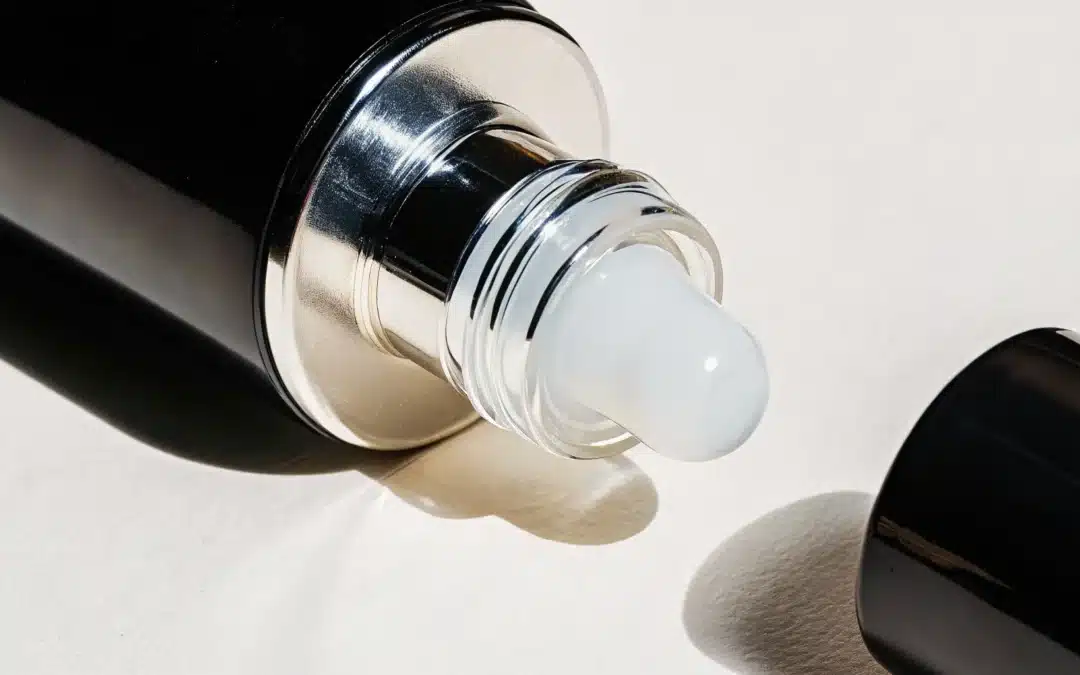
When your hands are stiff and sore, the last thing you want is a messy, hard-to-use product. Our convenient roll-up design makes application completely effortless. You can glide the balm directly over your knuckles and joints without getting any on your palms, so you can get back to your day without any greasy residue. The portable size is perfect for stashing in your purse, car, or desk drawer, giving you quick and easy access to relief whenever you need it. Whether you’re at home, at work, or on the go, this simple, no-mess solution ensures that soothing comfort is always within arm’s reach.
What Are the Risks of Common Arthritis Medications?
While over-the-counter and prescription medications can be incredibly effective for managing hand arthritis, they aren’t always a perfect solution for everyone. Many people understandably want to find ways to relieve arthritis pain without taking pills because oral medicines can come with risks, especially when used for a long time.
Understanding the potential downsides of common pain relievers can help you have a more informed conversation with your doctor about your treatment plan. It’s all about weighing the benefits against the risks to find a sustainable approach that keeps you feeling your best. This is why exploring different options, including topical relievers, is a smart strategy for creating a well-rounded pain management routine that works for you.
The side effects of oral NSAIDs
Oral NSAIDs like ibuprofen and naproxen are often the first line of defense for arthritis pain, but they can be hard on your body over time. Because you swallow them, they affect your entire system, not just your hands. Studies show that the long-term use of oral NSAIDs can lead to some serious side effects, including stomach irritation, ulcers, and bleeding. They can also create issues for your heart and kidneys, which is a significant concern for anyone managing a chronic condition. These risks are why many people seek out alternatives that don’t carry the same systemic burden.
Long-term use: what to watch for
When you’re dealing with a chronic condition like arthritis, pain management is a marathon, not a sprint. Any medication you take regularly needs to be monitored. Over time, your body can build up a tolerance, or you might start to experience subtle side effects that you didn’t notice at first. It’s essential to have regular check-ins with your healthcare provider to discuss how your treatment is working. They can help you adjust dosages or explore different options if your current plan isn’t providing the relief you need without unwanted consequences.
Potential drug interactions to know
Another important factor to consider is how pain medications might interact with other prescriptions or even over-the-counter supplements you’re taking. Some NSAIDs, for example, can interfere with blood pressure medications or blood thinners, creating potentially serious health complications. This is why it’s so critical to talk to your doctor before starting any new pain reliever, especially if you plan to use it long-term. Always give your doctor a complete list of everything you take so they can help you avoid any harmful interactions.
Why topicals can be a safer choice
This is where topical treatments really stand out. Instead of affecting your whole body, a topical reliever works directly where you apply it. This localized approach means you get relief right at the source of your pain with a much lower risk of the systemic side effects associated with oral pills. In fact, medical experts often recommend topical NSAIDs for hand joints because they offer targeted pain relief with fewer body-wide issues. By delivering relief through the skin, topicals provide a powerful yet gentle alternative for daily comfort.
Which Pain Reliever Is Right for Your Arthritis Type?
Finding the right way to manage arthritis pain can feel like a puzzle, especially since not all arthritis is the same. The two most common types you’ll hear about are osteoarthritis and rheumatoid arthritis, and each one affects your joints differently. Osteoarthritis is often called “wear-and-tear” arthritis, where the cartilage that cushions your joints gradually breaks down over time. Rheumatoid arthritis, on the other hand, is an autoimmune condition where your body’s own defenses mistakenly attack the lining of your joints, causing inflammation.
Because their causes are different, the best approach to relief will be, too. Your ideal strategy will depend on your specific diagnosis, the intensity of your symptoms, and your overall health. For many people, a combination of methods works best. This might include oral medications prescribed by your doctor, gentle exercises to maintain mobility, and targeted topical treatments that work directly on the source of the discomfort. Understanding your specific type of arthritis is the first step toward creating a pain management plan that truly works for you, helping you get back to the activities you love with more comfort and ease. It’s all about finding a personalized routine that fits your life and provides consistent support.
Finding the best relief for osteoarthritis
If you’re dealing with osteoarthritis (OA), you’re not alone. It’s the most common type of hand arthritis and happens when the smooth cartilage in your joints wears down over time, which can make movement feel stiff and painful. According to Mass General Brigham, standard treatments often include pain relievers and anti-inflammatory drugs to help manage the pain and swelling.
For direct and focused comfort, a topical reliever can be a fantastic choice. Instead of waiting for a pill to work its way through your system, you can apply a balm or lotion right where you feel the ache. The active ingredients, like menthol and camphor in our Dragon balms, create a cooling sensation that soothes discomfort on contact, offering a simple and effective way to manage daily stiffness.
Finding the best relief for rheumatoid arthritis
Rheumatoid arthritis (RA) is a bit different because it’s an autoimmune condition that commonly affects the small joints in your wrists, hands, and fingers. Since RA involves your immune system, treatment is highly personal and should always be guided by your doctor. The Cleveland Clinic notes that the right treatment plan depends on many factors, including your age, the stage of the condition, and how many joints are affected.
While your doctor will likely prescribe specific medications to manage the underlying condition, topical relievers can be an excellent complementary tool for handling daily pain and flare-ups. Applying a cooling roll-on can provide immediate, localized comfort without interfering with your primary treatment. It’s a great way to give your hands some extra support when they need it most.
Matching your treatment to your pain level
Your pain isn’t the same every day, so your approach to managing it shouldn’t be either. For many people, anti-inflammatory medications like ibuprofen are a common first choice for reducing both pain and swelling. However, a topical solution can offer relief that’s perfectly scaled to what you’re feeling in the moment. On days with mild stiffness, a gentle application might be all you need to feel more comfortable.
When the pain is more intense, a stronger formula can provide more powerful support. That’s why we created different strength options, from our Regular Strength formula for everyday aches to our Maximum Strength products for those tougher days. Having the flexibility to match your treatment to your pain level gives you more control and helps you find the right amount of relief, right when you need it.
Beyond Medication: Natural Ways to Soothe Your Hands
While medication and topical relievers are fantastic tools, they work best as part of a complete care plan. Creating daily habits that support your joint health can make a huge difference in managing discomfort and maintaining your independence. These simple, natural strategies can be easily integrated into your routine to provide consistent, gentle support for your hands. Think of them as your daily defense against stiffness and aches, helping you stay active and comfortable.
Gentle hand exercises and stretches
When your hands are stiff and sore, exercise might be the last thing on your mind. However, gentle movement is one of the best ways to maintain flexibility and function. The goal isn’t to strain your joints but to keep them moving through their natural range of motion. Simple hand exercises can help ease stiffness and improve your grip. Try slowly bending your middle knuckles as if making a soft fist, or gently touching each fingertip to your thumb. A hand therapist can show you specific stretches tailored to your needs.
Using heat and cold therapy effectively
Heat and cold therapy are classic, effective methods for managing arthritis symptoms. The key is knowing when to use each one. Applying warmth, like from a heating pad or a warm soak, is excellent for relieving stiffness, especially first thing in the morning. It helps relax the muscles and improve circulation. On the other hand, cold packs are your go-to for reducing swelling and numbing sharp pain, particularly after you’ve been active. You can learn more about managing arthritis in your hands with these simple temperature therapies.
The role of splints and supportive devices
Giving your joints a little extra support can prevent strain and reduce pain during daily activities. That’s where splints and braces come in. They work by stabilizing the wrist or individual finger joints, which can be especially helpful for thumb arthritis. You might wear a soft, flexible splint during the day to help you grip objects without pain, or a more rigid one at night to keep your joint in a restful position while you sleep. These devices don’t have to be bulky; many are designed to be discreet and comfortable for regular use.
Anti-inflammatory foods and lifestyle tips
What you eat can have a direct impact on inflammation levels in your body. Adopting an anti-inflammatory diet is a powerful, long-term strategy for managing arthritis. Focus on incorporating foods rich in antioxidants and healthy fats, such as leafy greens like spinach, colorful berries, and fatty fish like salmon. Some people also find that spices like turmeric offer benefits, but it’s always a good idea to consult your doctor before adding new supplements, as they can interact with certain medications.
How to Safely Combine Pain Relief Methods
Finding what works for your hand arthritis often means creating a personalized toolkit of different strategies. Combining methods can be incredibly effective, but it’s important to do it safely and thoughtfully. Think of it as building a complete support system for your hands, where each component has a specific job. For example, you might use one approach for morning stiffness and another for soreness after a long day of gardening. The key is to understand how different treatments work together so you can get the relief you need without creating new problems.
A smart approach involves layering different types of relief, timing them for maximum benefit, and always being mindful of potential interactions. This allows you to address pain from multiple angles. You can use a fast-acting topical for immediate comfort while relying on other methods for long-term support. By being strategic, you can manage your symptoms more effectively and maintain your daily activities with greater ease. Always remember that your health is the priority, so open communication with your healthcare provider is a non-negotiable part of this process.
Layering topical and oral treatments
Layering treatments is a great way to get comprehensive relief. This often means pairing an oral medication with a topical one. While oral medications work systemically throughout your body, topicals deliver targeted relief right where you apply them. According to the Mayo Clinic, topical NSAIDs are often recommended for hand arthritis because they have fewer systemic side effects than their oral counterparts. Using a topical analgesic like our Dragon Pain Relief Roll-Ups allows you to soothe your hand joints directly, providing cooling comfort from menthol and camphor without adding another pill to your routine. This approach lets you tackle pain from both the inside and the outside.
Timing your relief for the best results
When you use your treatments can be just as important as what you use. For instance, many people find that heat is best for easing morning stiffness. A warm compress or paraffin wax bath can help relax your joints and get your hands moving. On the other hand, cold packs are often better for reducing swelling and numbing acute pain, especially after an activity that has flared up your arthritis. You can apply a topical reliever like Dragon Pain Relief anytime you feel discomfort setting in. Keeping one of our Jars at home means you can get fast, targeted comfort whenever you need it most.
How to avoid harmful drug interactions
When you start combining treatments, especially oral medications, it’s essential to be aware of potential interactions. Even over-the-counter drugs can cause issues if mixed incorrectly or used for too long. For example, long-term use of oral NSAIDs can lead to stomach irritation, kidney problems, and cardiovascular issues. Before you start any new medication or supplement, make it a rule to speak with your doctor or pharmacist. They can review everything you’re taking to ensure your pain relief plan is both effective and safe. Being transparent about all your treatments helps you avoid unintended consequences and protect your overall health.
When it’s time to talk to your doctor
While self-care is a powerful tool, it’s not a replacement for professional medical advice. If your hand pain isn’t improving with your current routine, or if it starts to get worse, it’s time to check in with your doctor. Persistent pain could be a sign that your treatment plan needs adjusting or that something else is going on. A healthcare provider can give you an accurate diagnosis and help you create a personalized treatment plan tailored to your specific needs and health history. Don’t hesitate to seek professional guidance; it’s the best way to ensure you’re on the right track for long-term joint health.
Related Articles
- Your Guide to Arthritis Pain Relief in Hands & Knees
- The Best Arthritis Products for Lasting Relief
- The 7 Best Arthritis Products for Pain Relief
Frequently Asked Questions
Is a topical reliever or an oral pill better for hand arthritis? The best choice really depends on your specific needs and symptoms. Oral medications like NSAIDs work throughout your entire body, which can be helpful but also comes with a higher risk of side effects like stomach irritation. Topical relievers, on the other hand, are applied directly to your hands, delivering targeted comfort right at the source of the pain. This localized approach often means fewer body-wide side effects, making topicals an excellent option for daily management.
How do I know which strength of Dragon Pain Relief is right for me? Choosing the right strength is all about matching the product to your pain level. Our Regular Strength formula is perfect for managing mild, everyday stiffness. If you need more support for moderate or persistent aches, our Extra and Maximum Strength options are great choices. They include broad or full spectrum cannabinoids, which research suggests can enhance the soothing effects of the formula. You can always start with a lower strength and see how it works for you.
Can I use a topical product like Dragon Pain Relief if I’m already taking oral arthritis medication? Yes, many people find that layering a topical treatment with their oral medication provides more complete relief. A topical can offer immediate, localized comfort without interfering with the systemic medicine you’re taking. However, it is always a good idea to talk with your doctor or pharmacist before adding anything new to your routine. They can give you the best advice based on your personal health history.
Besides medication, what are the most effective things I can do at home for my hands? Simple, consistent habits can make a huge difference. Gentle hand exercises and stretches help maintain flexibility and reduce stiffness. Using heat, like a warm compress, can soothe morning aches, while a cold pack can help reduce swelling after an activity. Supporting your joints with a splint can also prevent strain. These natural strategies work together with your pain relievers to create a well-rounded care plan.
Why does Dragon Pain Relief feel cool when I apply it? That immediate cooling sensation comes from two key active ingredients: menthol and camphor. These are natural compounds known as counterirritants. They work by creating a cooling feeling on your skin that gently distracts your brain from the deeper, underlying ache in your joints. This provides fast, soothing comfort right where you need it most, helping to calm down stiff and sore hands.