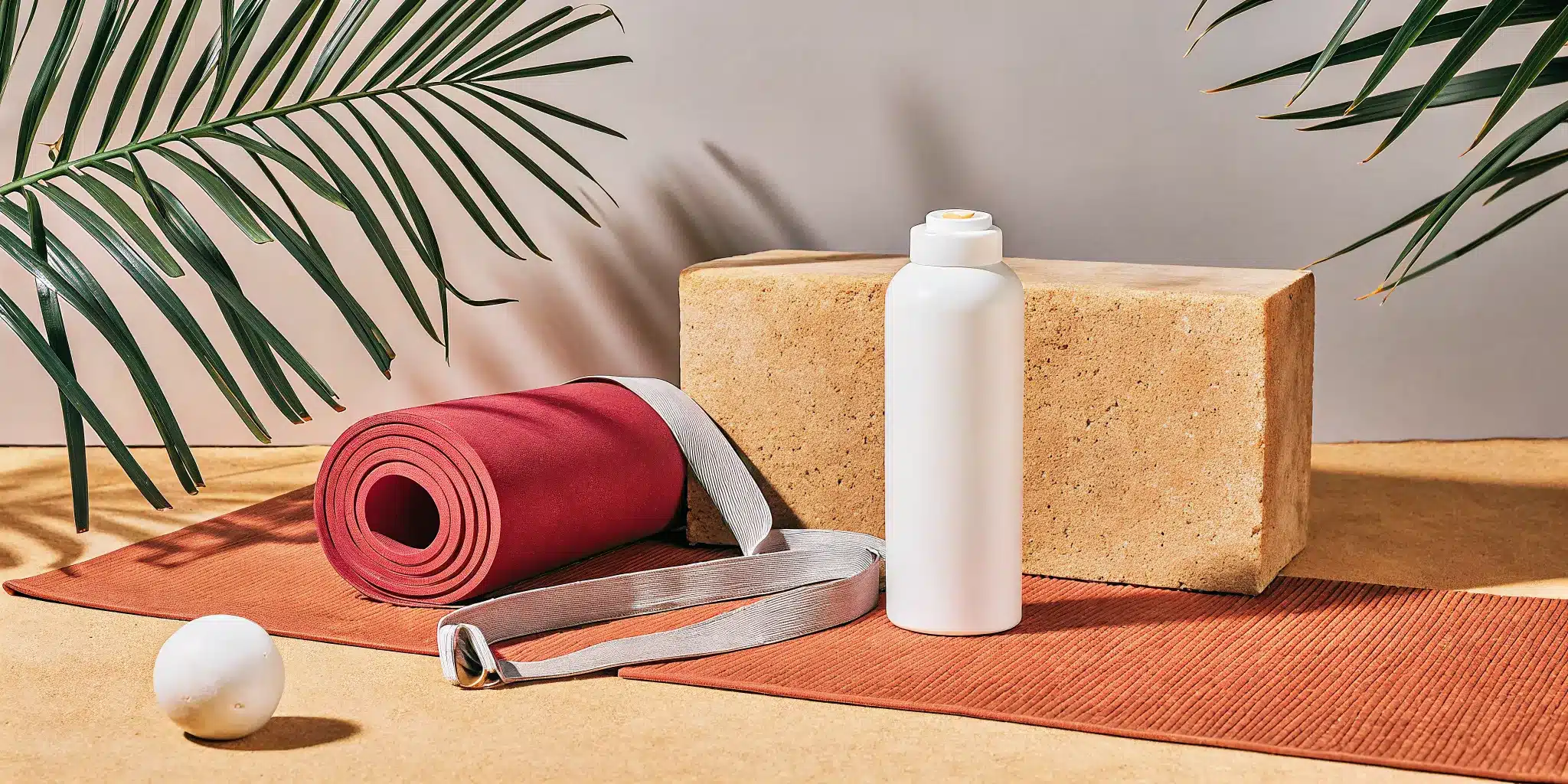
Your body is unique, and so are your weekend adventures. A recovery plan that works for a long-distance runner might not be the right fit for someone who loves lifting heavy weights. The most effective approach is one that’s tailored to your specific needs and activities. Learning to listen to your body’s signals is the first step toward building a routine that actually works for you. This guide is designed to be your playbook, offering a variety of proven techniques and strategies. You’ll learn how to mix and match them to create the best recovery routines for weekend warriors—customized just for you.
Key Takeaways
- Prioritize active recovery for faster healing: Gentle movement like walking or stretching is often more effective than complete rest. It increases blood flow to your muscles, helping to reduce stiffness and speed up the repair process.
- Combine smart nutrition with topical support: Refuel with a balanced meal of carbs and protein after your activity. For immediate comfort, use a topical balm with ingredients like menthol and camphor to soothe sore spots directly.
- Learn your body’s warning signs: Don’t ignore persistent pain, a sudden drop in performance, or constant fatigue. Recognizing the early signs of overtraining is key to preventing injuries so you can stay active for the long run.
What Are the Keys to Weekend Warrior Recovery?
Going all out on the weekend is fun, but that Monday morning stiffness is no joke. True recovery is more than just resting on the couch; it’s an active process that helps your body repair, rebuild, and come back stronger. Understanding what your body needs is the first step. The three most important pillars are knowing why your muscles get sore, getting enough quality sleep, and staying properly hydrated. Nailing these fundamentals will make a huge difference in how you feel and perform.
Why Your Muscles Get Sore (And How They Heal)
That next-day soreness after a tough workout is called delayed onset muscle soreness, or DOMS. It happens when you challenge your muscles in a new way, creating tiny tears in the muscle fibers. This is a normal part of getting stronger. Your body’s natural healing process kicks in to repair these micro-tears, rebuilding the muscle fibers to be more resilient. This healing cycle is how you build strength and endurance. To support this process, your body needs proper fuel, rest, and good circulation to deliver nutrients and clear out waste.
How Much Rest and Sleep You Really Need
Never underestimate the power of a good night’s sleep. While you’re sleeping, your body is hard at work repairing itself and releasing growth hormone essential for muscle repair. Skimping on sleep slows down your recovery, leaving you sore and fatigued for longer. As you get older, your body needs more time to bounce back, making quality rest even more important. Aim for seven to nine hours of sleep each night. For better athletic recovery, keep your bedroom cool and dark, and put away screens an hour before bed.
The Link Between Hydration and Healing
Water is a critical component of muscle recovery. Your muscles are about 75% water, so proper hydration is essential for them to function and repair correctly. Drinking enough water helps transport nutrients to your muscle cells and flush out metabolic waste. Dehydration can lead to cramps, fatigue, and a slower recovery. Don’t wait until you feel thirsty. Make a habit of sipping water consistently throughout the day, especially before, during, and after your workouts. Keeping your body in a state of healthy hydration ensures your cells can repair efficiently.
What Are the Best Recovery Techniques for Weekend Warriors?
After pushing your limits all weekend, your body needs more than just a few days on the couch to bounce back. The key to effective recovery is being proactive. By incorporating a few simple techniques into your post-activity routine, you can help your muscles repair, reduce soreness, and get ready for your next adventure without missing a beat. It’s not about finding more time in your busy week, but about making the time you have work smarter for you.
Think of recovery as an essential part of your workout. Just as you plan your hikes, gym sessions, or pickup games, planning your recovery can make all the difference in how you feel on Monday morning. Simple habits like targeted stretching, self-massage, and using the right topical relief can transform your recovery process from a passive wait into an active repair. These methods help increase blood flow, ease tension, and give your muscles the support they need to heal. Building a consistent routine with the right tools is the best way to prevent minor aches from turning into bigger issues. You can find the perfect combination of products to support your routine in our recovery bundles, designed to keep you moving.
Stretch and Improve Your Mobility
If you spend your weekdays at a desk, your muscles can become tight and shortened. Jumping into intense activity without properly warming up is a recipe for stiffness and injury. That’s why stretching and mobility work are non-negotiable for weekend warriors. Targeted stretching helps lengthen your muscles, improve your range of motion, and release the tension built up from both your workouts and your work week.
Before you get moving, focus on dynamic stretches like leg swings and arm circles to warm up your muscles. After your activity, switch to static stretches, holding positions for 30 seconds to gently lengthen the muscles you just worked. A consistent stretching routine doesn’t have to be complicated, but it can significantly improve how your body feels and performs.
Try Foam Rolling and Self-Massage
Foam rolling is like giving yourself a deep tissue massage. This technique, also known as self-myofascial release, helps break up knots and adhesions in your muscles that can cause pain and restrict movement. By applying pressure to specific points on your body, you can aid in muscle recovery and reduce soreness. It’s a powerful tool, but remember that it’s meant to complement your recovery, not replace essentials like rest and proper nutrition.
When you foam roll, move slowly and pause on any tender spots, breathing deeply to help the muscle relax. For an even more effective self-massage, you can apply a pain relief balm from one of our jars before you start. The combination helps soothe the area as you work to release tightness.
Use Cold and Heat Therapy Correctly
Knowing when to use ice versus heat can feel confusing, but the right choice can make a big difference. While many people reach for an ice pack for sore muscles, some research suggests that it might not always be the best option for general soreness, as it can restrict blood flow. Instead, ice is most effective for acute injuries, like a twisted ankle, to reduce swelling within the first 48 hours.
For the muscle stiffness and soreness that often follows a tough workout, heat is your best friend. A warm bath, a heating pad, or a hot shower can increase circulation, helping to deliver oxygen and nutrients to your tired muscles and flush out waste products. A simple rule to remember: ice for new injuries, heat for old aches and muscle soreness.
Soothe Sore Muscles with Topical Relief
When you need fast, targeted relief, a topical balm is one of the best tools to have in your recovery kit. Products formulated with active ingredients like menthol and camphor work by creating cooling and warming sensations on your skin. These sensations help distract your brain from the discomfort, providing temporary relief from aches and soreness right where you need it. This allows you to keep moving comfortably while your body does its healing work.
Our Maximum Full Spectrum formulas combine these proven ingredients with a blend of cannabinoids, which studies indicate can provide additional support for your body’s recovery systems. For easy, on-the-go application after a workout or a long day, try one of our no-mess Roll-Ups.
How Can Nutrition Speed Up Your Recovery?
What you eat after a weekend of activity is just as important as your workout itself. Think of your body like a car: after a long drive, it needs to refuel. The right foods provide the building blocks your muscles need to repair, rebuild, and get stronger, so you can head into your week feeling refreshed instead of run down.
Proper recovery nutrition isn’t about complicated diets or restrictive rules. It’s about giving your body a balanced mix of carbohydrates, protein, and healthy fats to replenish its energy stores and support the healing process. Hydration is also a key player, as water helps transport those vital nutrients to your muscles. By focusing on a few simple principles, you can use your meals to reduce soreness, restore your energy, and get ready for your next adventure. We’ll walk through exactly what to eat, what to drink, and which common myths you can safely ignore.
Fueling Your Muscles: What to Eat for Repair
After you’ve pushed your body, your main goal is to restock your energy and give your muscles the materials they need to repair. The most effective way to do this is with a combination of carbohydrates and protein. Carbs are essential for refilling your muscle glycogen, which is the primary fuel source you burned during your activity. Protein provides the amino acids necessary to mend the tiny tears in your muscle fibers that occur during exercise.
For the best results, aim for a meal with a 3:1 carbohydrate-to-protein ratio. This combination has been shown to be effective for both endurance and strength activities. Simple post-workout nutrition could look like a banana with a scoop of protein powder in a smoothie, Greek yogurt with berries and a sprinkle of granola, or a plate of chicken and roasted sweet potatoes.
The Perfect Post-Workout Meal
While carbohydrates and protein are the stars of the recovery show, you don’t need to avoid fats entirely. Healthy fats are an important part of a balanced diet and play a role in reducing inflammation and supporting overall health. Including a small amount of fat in your post-activity meal won’t slow down your recovery and can help you feel more satisfied.
The key is to keep the focus on your primary recovery nutrients. For example, you could have a piece of salmon (protein and healthy fats) with a side of quinoa (carbohydrates and protein) and roasted broccoli. Another great option is a large salad with grilled chicken, lots of veggies, and a vinaigrette made with olive oil. These meals provide everything your body needs without feeling heavy.
Common Nutrition Myths to Ignore
You’ve probably heard that you need to slam a protein shake within 30 minutes of finishing your workout. While nutrient timing can be important for elite athletes, most weekend warriors don’t need to stress about this so-called “anabolic window.” Research shows that the window for refueling is actually much wider, lasting for several hours after you finish exercising.
One of the biggest myths about sports nutrition is this sense of urgency. Instead of rushing, focus on having a well-balanced meal within a couple of hours of your activity. This takes the pressure off and allows you to make more mindful food choices that will better serve your recovery in the long run.
Hydration and Electrolytes for Faster Healing
Rehydrating is one of the simplest and most effective things you can do for your recovery. Water is crucial for metabolic function and nutrient transfer, which means it helps get the good stuff from your food to your muscles. Dehydration can slow down the repair process and make you feel even more fatigued and sore.
For most workouts, plain water is all you need to rehydrate. However, if you’ve been sweating for over an hour or exercising in the heat, you might need to replenish electrolytes like sodium and potassium. While sports drinks can help, they often contain a lot of sugar. You can also get electrolytes from foods like bananas, avocados, or a glass of coconut water. The foundation of good recovery nutrition always starts with proper hydration.
How Do You Spot the Signs of Overtraining?
There’s a fine line between pushing your limits for great results and pushing yourself straight into an injury. As a weekend warrior, you want to make the most of your active time, but going too hard without enough rest can lead to overtraining. This doesn’t just stall your progress; it can set you back for weeks or even months. Learning to listen to your body is one of the most important skills you can develop. Recognizing the early signs of overtraining is your best defense against burnout and injury. It’s not about being weak; it’s about training smart so you can keep doing what you love for the long haul.
Physical Symptoms You Shouldn’t Ignore
It’s normal to feel sore after a tough workout, but some types of pain are red flags. If you feel a sharp, sudden, or shooting pain during an activity, you need to stop immediately. Pushing through that kind of pain is a fast track to a serious injury. It’s also important to pay attention to aches that don’t go away. While many people try to ignore minor pain, doing so can make an injury worse and keep you from enjoying your activities later. Other physical signs of overtraining include feeling unusually tired all the time, having trouble sleeping, or noticing you’re getting sick more often than usual. These are all signs your body is struggling to recover.
How to Recognize a Drop in Performance
Overtraining doesn’t just feel bad physically; it directly impacts your results. If you notice your performance has dropped significantly, it’s a classic sign that you need more rest. Maybe you can’t lift as much, run as fast, or your endurance just isn’t there. According to health experts, other warning signs include pain that lasts for more than three or four days or constantly feeling muscle tightness and stiffness. If you keep getting injured in the same spot, that’s another major signal from your body. Ignoring these signs can easily turn a small, manageable problem into a much bigger one that forces you to take a long break.
When to Call in a Professional
Rest days and smart recovery routines are essential, but sometimes they aren’t enough. Knowing when to see a doctor, physical therapist, or chiropractor is key to avoiding long-term issues. If you have pain that lingers for more than a week, constant muscle tightness that stretching doesn’t fix, or sleep problems that are affecting your recovery, it’s time to get professional advice. In fact, research shows that getting professional help for an injury right away can shorten your recovery time significantly compared to waiting. Think of it as a proactive step to protect your body and get you back to your favorite activities faster and stronger.
How to Plan an Active Recovery Day
After a tough workout or a weekend full of activity, your first instinct might be to collapse on the couch and not move until Monday. While complete rest has its place, an active recovery day can often be more effective. The goal isn’t to add more strain but to encourage healing through gentle, restorative movement. Think of it as a productive day off for your muscles, one that actively helps them rebuild and repair.
Planning an active recovery day means choosing low-impact activities that get your blood flowing without causing more stress. This increased circulation helps deliver oxygen and nutrients to your sore muscles, which can speed up the repair process and reduce stiffness. It’s also a great opportunity to check in with your body, address any tight spots, and give your mind a much-needed break from high-intensity effort. A well-planned recovery day is just as important as your workout, helping you come back stronger and reducing your risk of injury. You can even personalize your approach to match what your body needs most, ensuring your recovery is as effective as your training.
Gentle Activities That Help You Heal
Active recovery is all about light movement, not another grueling workout. The idea is to engage your muscles in a way that promotes blood flow and helps them heal. The key is to keep the intensity low enough that you could easily hold a conversation. This isn’t the time to push your limits or break a sweat.
Some of the best active recovery activities include a 15 to 20-minute walk, a gentle swim, a restorative yoga session, or a casual bike ride. These movements help flush out metabolic waste from your muscles and reduce soreness without causing further damage. By keeping things light, you give your body the resources it needs to repair itself effectively.
Why Mental Rest Is Just as Important
Your muscles aren’t the only things that need a break. Your mind also works hard during physical activity, focusing on form, pushing through discomfort, and staying motivated. Ignoring mental fatigue can lead to burnout and a decline in performance. That’s why listening to your body and allowing for mental rest is a non-negotiable part of recovery.
A true recovery day gives your brain a chance to recharge. This could mean meditating, reading a book, spending quiet time in nature, or simply unplugging from screens for a few hours. When you feel mentally refreshed, you’re better equipped to tackle your next workout with focus and energy, which also helps prevent injuries caused by a tired, distracted mind.
Simple Ways to Track Your Recovery
How do you know if your recovery plan is working? By paying attention and keeping track. You don’t need fancy gadgets, just a simple way to monitor how your body is responding. Start by keeping a log of your activities, noting how you feel after each workout and on your recovery days. This can be as simple as a note on your phone or a dedicated journal.
Track your workouts, soreness levels on a scale of 1 to 10, sleep quality, and energy levels. Over time, you’ll start to see patterns that help you understand what your body needs. This simple habit of tracking your progress allows you to make smarter decisions, so you know when to push harder and when to schedule a much-needed active recovery day.
What Recovery Tools Are Worth It?
The world of fitness recovery is filled with gadgets and gear, from compression boots to massage guns. While some of these can be helpful, you don’t need a high-tech home gym to feel better after a long hike or a tough workout. The most effective recovery routines are often the simplest, built around a few key tools that deliver real results. The goal is to find what works for your body and your lifestyle. Instead of getting overwhelmed by all the options, focus on a few essentials that support your muscles, reduce soreness, and help you get back to your activities faster. Let’s look at what you actually need to build a powerful and practical recovery toolkit.
Your Essential Recovery Toolkit
You can build a fantastic recovery kit without breaking the bank. Start with the basics: a foam roller or lacrosse ball for self-massage and a reusable water bottle to stay on top of hydration. Studies show that most weekend warriors can greatly improve their recovery by adding targeted stretching and mobility work into their cool-down. Finally, a high-quality topical balm is a must-have for soothing tired muscles right where they hurt. These simple items form the foundation of a routine that helps your body repair itself effectively, so you’re ready for your next adventure.
Find Fast, Targeted Relief with Topical Balms
When your muscles are screaming after a tough workout, a topical balm can provide immediate comfort. Formulations like Dragon Pain Relief use FDA-approved active ingredients like menthol and camphor to create cooling and warming sensations that temporarily ease aches and soreness. Our balms also include nano-emulsified, hemp-derived cannabinoids, which research suggests can offer supportive properties. It’s important to remember that even the best tools are part of a larger strategy. Experts agree that active recovery methods are essential, and topical relief is a powerful way to complement those efforts, not replace them. Our convenient Roll-Ups are perfect for throwing in your gym bag for on-the-spot application.
How to Build Your Perfect Recovery Routine
There’s no one-size-fits-all answer to recovery. The best routine is the one you’ll actually stick with because it’s tailored to your body and your activities. A personalized recovery plan is your best bet for preventing injuries and staying active long-term. Listen to your body. Does a 10-minute stretch feel better than foam rolling? A great starting point is to create a simple post-activity checklist: stretch, rehydrate, apply topical relief, and refuel. From there, you can adjust based on how you feel and even choose a strength that matches your specific needs for that day.
Related Articles
- 9 Recovery Tips for Mountain Athletes in Colorado
- 15 Ways to Relieve Soreness After Skiing
- 5 Best Creams for Sore Muscles After Workout
Frequently Asked Questions
I’m really sore after my weekend activities. Should I use ice or heat? This is a great question, and the answer depends on the type of discomfort you’re feeling. A good rule of thumb is to use ice for new, acute injuries like a twisted ankle or a pulled muscle to help reduce swelling in the first day or two. For general muscle stiffness and the kind of soreness that sets in a day after your activity, heat is usually the better choice. A warm bath or a heating pad can help increase blood flow to the area, which delivers nutrients and helps your muscles relax and repair.
What’s the difference between active recovery and just resting on the couch? While both involve taking a break from intense exercise, they work in very different ways. Resting on the couch is passive, meaning you’re letting your body heal without much intervention. Active recovery, on the other hand, involves gentle, low-impact movement like walking, swimming, or restorative yoga. This light activity helps increase circulation, which can speed up the healing process by flushing out metabolic waste and delivering fresh, oxygenated blood to your tired muscles. Think of it as giving your body a helping hand in its repair work.
How soon after my workout do I need to eat to get the best recovery benefits? You can relax on this one. While you may have heard about a strict 30-minute “anabolic window” for refueling, that urgency really only applies to elite athletes. For most weekend warriors, the window is much more flexible. The most important thing is to have a balanced meal containing both carbohydrates and protein within a couple of hours after you finish your activity. This gives your body the fuel it needs to replenish its energy stores and the building blocks to repair muscle tissue without adding unnecessary stress to your routine.
What are the most important recovery steps if I’m short on time? Life gets busy, and you won’t always have time for a full recovery routine. If you only have a few minutes, focus on the three things that will give you the most impact. First, rehydrate by drinking plenty of water. Second, perform a few key stretches targeting the main muscle groups you just used. Finally, apply a topical relief product directly to your sorest spots. This simple combination helps address your body’s immediate needs for hydration, mobility, and targeted comfort.
How do I know if I’m just sore or if I’m actually injured? Learning to listen to your body is key. Typical muscle soreness, or DOMS, feels like a dull, generalized ache in the muscles you worked, and it usually gets better with gentle movement and time. An injury, however, often involves a sharp, sudden, or localized pain that worsens when you try to move or put weight on it. If the pain doesn’t improve after a few days of rest or if it’s severe enough to affect your daily activities, it’s always best to get it checked out by a professional.


![5 Best Lotions for Deep Tissue Massage [Pro Picks]](https://dragonpainrelief.com/wp-content/uploads/2026/03/5-best-lotions-for-deep-tissue-massage-pro-picks-594859-1080x675.webp)