Finding the right pain relief shouldn’t complicate your life. An athlete recovering from a tough workout has different needs than an office worker with a stiff neck. That’s why the best muscle sore cream is about more than just its formula—it’s about how you apply it. A no-mess roll-on is perfect for your gym bag, while a rich cream is ideal for a relaxing massage before bed. Understanding the difference between creams, gels, and sprays is key to finding a solution that truly works for you. Here, we’ll explore each format to help you find the perfect match for your routine.
Key Takeaways
- Choose ingredients based on your needs: The most effective non-CBD creams use active ingredients like menthol for cooling, camphor for warmth, or lidocaine for numbing. Identify the sensation that works best for your discomfort to find your ideal formula.
- Select a format that fits your routine: Application matters just as much as the formula. Choose a mess-free roll-on for convenience at the gym or office, and opt for a cream or lotion when you want to massage it into larger areas at home.
- Prioritize safety and understand the purpose: Always perform a patch test with a new product and avoid applying it to broken skin. Remember these creams are designed for temporary relief from symptoms, helping you manage soreness and stay comfortable.
How Do Non-CBD Creams Soothe Sore Muscles?
Non-CBD creams for muscle pain are topical products you apply directly to your skin to help ease soreness, stiffness, and discomfort. Available as creams, lotions, gels, and roll-ons, their defining feature is that they provide relief without using cannabidiol (CBD) or other cannabinoids. Instead, they rely on a blend of other active ingredients to get the job done. If you’re looking for effective relief but prefer to skip cannabis-derived compounds, these products are designed for you.
So, how do they work? Most non-CBD topicals operate on a principle called counter-irritation. Ingredients like menthol and camphor create a cooling or warming sensation on the skin. This sensation sends new signals to your brain that compete with and override the pain signals coming from your sore muscles. Essentially, they give your brain something else to focus on besides the ache. Some formulas also include numbing agents like lidocaine or natural ingredients like arnica, which has been used for centuries to address bruising and swelling.
These creams are fantastic for providing quick, targeted, and temporary relief. They don’t heal the underlying cause of your muscle soreness, but they can make the recovery process much more comfortable. Whether you’re dealing with post-workout aches, stiffness from sitting at a desk, or general discomfort, a non-CBD cream can help you feel better and keep moving. For example, our Super CBD-Free Terpene Blend uses a powerful combination of menthol and camphor to deliver that signature cooling-warming sensation right where you need it.
Understanding the Wide World of Muscle Creams
Stepping into the world of muscle creams can feel a bit like walking into a massive library where all the books are about pain relief. The sheer number of choices is staggering, and every product promises to be the one that finally soothes your aches. With thousands of options available online and on store shelves, it’s easy to feel overwhelmed. You’ll find creams, gels, balms, and sprays, each with a unique list of ingredients and a different story to tell. Some offer an icy blast of coolness, others a deep, penetrating warmth, and some aim to numb the area entirely. How do you know where to even begin?
The key is to break it down. Instead of getting lost in the noise, you can learn to spot the signals of a quality product that aligns with your specific needs. Understanding the main types of active ingredients, recognizing what makes a brand trustworthy, and knowing how to use customer feedback to your advantage will turn a confusing search into a confident decision. This guide will help you filter through the options, so you can find a reliable non-CBD cream that helps you manage discomfort and get back to your life without the guesswork.
Thousands of Options at Your Fingertips
If you need proof of just how vast the market is, a quick search on Amazon shows over 7,000 different muscle creams, all designed to help with various types of pain. This incredible variety exists because there are many different ways to approach topical relief. Formulations often center on active ingredients like menthol and camphor, which create cooling and warming sensations to distract your brain from the pain. Others use ingredients like arnica, a botanical known for its use with bruising and swelling, or lidocaine, which provides a temporary numbing effect. This diversity means there’s likely a perfect formula out there for you, whether you need something to ease post-workout soreness or soothe a stiff neck after a long day at your desk.
Why Popularity Can Be a Helpful Guide
When faced with endless choices, looking at what’s already working for others is a great starting point. Popular over-the-counter options like Icy Hot and Biofreeze have become household names for a reason—they deliver consistent, effective relief for common issues like strains and sprains. You can find products that have built a loyal following by checking out customer ratings and reviews. On sites like Amazon, you can even filter your search to show only products with four stars and up, instantly narrowing the field to items that have earned public approval. Beyond reviews, look for brands that demonstrate a commitment to quality through transparency, such as providing easy access to third-party lab results and being clear about their manufacturing standards.
Top Non-CBD Creams for Soothing Sore Muscles
When you need relief from sore muscles but prefer to skip the CBD, there are plenty of powerful options out there. These creams, gels, and ointments rely on proven active ingredients like menthol, camphor, and lidocaine to cool, warm, and soothe discomfort right where you need it. From classic balms that have been trusted for generations to modern formulas designed for professional athletes, finding the right non-CBD cream is all about matching the ingredients and application style to your specific needs. Whether you’re dealing with post-workout soreness, a stiff neck from sitting at a desk, or the familiar ache of arthritis, a good topical can make a world of difference.
The market is filled with choices, which can feel a little overwhelming. Some products create an intense cooling sensation, while others provide a gentle warmth. Some use anesthetics to numb the area, and others use anti-inflammatory ingredients to address swelling. The best one for you depends on the type of discomfort you’re feeling and your personal preferences. Do you want a mess-free roll-on for your gym bag? A rich cream you can massage in before bed? Or a fast-acting spray for hard-to-reach spots? We’ve sorted through the options to highlight some of the most effective and well-regarded non-CBD creams to help you find your perfect match. Here’s a look at some of the best choices available to help you get back to feeling your best.
Dragon Pain Relief Super CBD-Free Terpene Blend
For those who want plant-powered relief without any cannabinoids, the Super CBD-Free Terpene Blend is a fantastic choice. This formula focuses on the power of terpenes, menthol, and camphor to deliver fast-acting comfort. What makes it stand out is the Nano Boost Technology, which helps the ingredients absorb more deeply for quicker results. It’s a great option if you’re looking for a modern, science-backed approach that still uses natural ingredients. Whether you’re recovering from a workout or dealing with daily aches, this blend offers targeted support exactly where you need it, proving you don’t need CBD to feel effective relief.
Tiger Balm White Ointment
Tiger Balm is a name many of us grew up with, and for good reason. This classic ointment is a go-to for soothing joint pain, especially in areas like the knees, back, and wrists. Its signature scent comes from a potent blend of camphor and menthol, which creates a comforting sensation that can last for hours. One of the best parts about the white ointment formula is that it won’t stain your clothes, making it a practical choice for use anytime, day or night. It’s a simple, effective, and time-tested solution for muscle and joint discomfort.
Icy Hot PRO No-Mess Pain Relief Cream
If you’re looking for maximum strength, Icy Hot PRO is designed to deliver. It’s formulated with the highest levels of menthol and camphor you can get without a prescription, making it a favorite among athletes who need serious relief. The “no-mess” part of its name holds up, as the cream absorbs well and leaves behind almost no sticky feeling. This makes it perfect for applying before you get dressed or when you’re on the go. According to physical therapists, it’s a solid choice for intense aches and pains that need a powerful response.
Voltaren Gel
Voltaren Gel offers a different approach to topical relief. Instead of creating a cooling or warming sensation, it works as a nonsteroidal anti-inflammatory drug (NSAID), much like ibuprofen. This makes it particularly effective for reducing pain and swelling in smaller joints, such as your hands and wrists. It’s available over the counter and has a mild, slightly medicinal scent that fades quickly, so you don’t have to worry about a lingering smell. Because it’s an NSAID, it’s a good idea to be mindful of your overall usage, but it’s a trusted option for targeted anti-inflammatory action.
Penetrex Joint & Muscle Therapy Roll On Gel
For those who want an effective formula that also feels a bit luxurious, Penetrex is a great pick. It has a light, pleasant scent that’s more spa-like than medicinal, and the gel absorbs into the skin quickly without any greasy residue. The roll-on applicator makes it incredibly easy to apply without getting your hands messy, which is always a plus. It contains a thoughtful blend of ingredients, including arnica, vitamin B6, and camphor, to provide comprehensive support for both muscles and joints. It’s a well-rounded choice for everyday discomfort.
Biofreeze Professional Menthol Pain Relieving Spray
When you need fast relief for hard-to-reach places, a spray can be a game-changer. Biofreeze Professional is known for its powerful cooling effect, thanks to a high concentration of menthol (10.5%). The spray application is super convenient, dries fast, and is perfect for hitting spots like your mid-back or shoulders. While the intense cooling sensation might not last as long as some creams or gels, its ease of use makes it a top contender for quick, on-the-go application, especially before or after a workout.
Aspercreme with Lidocaine
If the icy-hot sensation isn’t for you, Aspercreme with Lidocaine offers a different path to relief. Instead of menthol or camphor, its active ingredient is lidocaine, a local anesthetic that works by numbing the targeted area. This makes it ideal for nerve-related discomfort or for anyone who simply prefers a non-sensory approach. The formula is completely odorless and comes in a roller-ball applicator for clean, precise use. It won’t give you that cooling feeling, but it provides effective numbing action right where you apply it.
Best Plant-Based Formula: Dragon Pain Relief Super CBD-Free Terpene Blend
For those who want plant-powered relief without any cannabinoids, the Super CBD-Free Terpene Blend is a fantastic choice. This formula focuses on the power of its key ingredients—menthol, camphor, and a unique terpene blend—to deliver fast-acting comfort. What makes it stand out is our Nano Boost Technology, which helps the ingredients absorb more deeply for quicker results. It’s a great option if you’re looking for a modern, science-backed approach that still uses natural ingredients. Available in a convenient roll-on or a classic jar, it’s easy to integrate into any routine, whether you’re recovering from a workout or dealing with daily aches.
Best for a Warming Sensation: Tiger Balm
Tiger Balm is a name many of us grew up with, and for good reason. This classic ointment is a go-to for soothing joint pain, especially in areas like the knees, back, and wrists. Its signature scent comes from a potent blend of its active ingredients, 11% camphor and 11% menthol, which creates a comforting warming sensation that can last for hours. The thick, balm-like texture is ideal for massaging into sore spots. One of the best parts about the white ointment formula is that it won’t stain your clothes, making it a practical choice for use anytime. It’s a simple, effective, and time-tested solution.
Best for a Cooling Sensation: Biofreeze Professional
When you need fast relief for hard-to-reach places, a spray can be a game-changer. Biofreeze Professional is known for its powerful cooling effect, thanks to its key ingredient: a high concentration of menthol (10.5%). The spray application is incredibly convenient, dries fast, and is perfect for hitting spots like your mid-back or shoulders without getting your hands messy. This makes it a favorite for athletes needing a quick application before an event or for anyone who needs to apply relief at the office. While the intense cooling sensation might not last as long as some creams, its ease of use makes it a top contender for quick, on-the-go support.
Best for Numbing Pain: Aspercreme with Lidocaine
If the icy-hot sensation isn’t for you, Aspercreme with Lidocaine offers a different path to relief. Instead of menthol or camphor, its active ingredient is lidocaine, a local anesthetic that works by numbing the targeted area. This makes it ideal for nerve-related discomfort or for anyone who simply prefers a non-sensory approach without any distracting warming or cooling feelings. The formula is completely odorless and comes in a roller-ball applicator for clean, precise use. It’s a great choice for discreet application during the day, as it provides effective numbing action without any tell-tale scent or sensation.
Best for Anti-Inflammatory Support: Voltaren Gel
Voltaren Gel offers a different approach to topical relief. Instead of creating a cooling or warming sensation with counter-irritants, it works as a nonsteroidal anti-inflammatory drug (NSAID), much like ibuprofen. Its active ingredient, diclofenac sodium, targets inflammation directly at the source. This makes it particularly effective for reducing pain and swelling in smaller joints, such as your hands, wrists, and knees, which are often affected by arthritis. It’s available over the counter and has a mild scent that fades quickly. Because it’s an NSAID, it’s a good idea to be mindful of your overall usage, but it’s a trusted option for targeted anti-inflammatory action.
What Active Ingredients Make a Muscle Cream Work?
When you’re scanning the shelves for a pain relief cream, the label can look like a science experiment. But the effectiveness of any topical product really comes down to a handful of key active ingredients. Each one works a little differently to bring you relief, so understanding what they do can help you find the perfect match for your aches. Some create cooling or warming sensations to distract from pain, while others work on a deeper level to numb the area or address swelling. Let’s break down the most common and effective ingredients you’ll find.
Menthol: Your Go-To for Cooling Relief
If you’ve ever felt that signature icy-cool sensation from a muscle rub, you can thank menthol. This compound, often derived from mint plants, works as a counterirritant. It doesn’t actually lower the temperature of your skin. Instead, it triggers the cold-sensitive receptors in your skin, sending a cooling signal to your brain. This sensation helps override and distract from the deeper signals of muscle pain and soreness. It’s a simple but incredibly effective way to get fast relief, which is why it’s a go-to for post-workout recovery and soothing everyday aches.
Camphor: Bringing the Gentle Heat
Often paired with menthol, camphor provides the other half of the classic “hot-and-cold” therapy. It creates a gentle warming sensation on the skin, which can help increase blood flow to the sore area. This improved circulation can help relax tight muscles and soothe discomfort. Like menthol, camphor is a counterirritant, meaning it creates a new sensation that competes with pain signals, giving your brain something else to focus on. This warming action makes it great for stiff joints and muscles that feel tense or knotted up.
Lidocaine: For When You Need to Numb the Area
Unlike ingredients that create a sensation, lidocaine is a local anesthetic that works by numbing the area. It temporarily blocks the nerve pathways that send pain signals to your brain. If you’re not a fan of the intense cooling or warming feelings and just want to dull the ache directly, a cream with lidocaine might be a good fit. It’s often used for more targeted pain, providing a straightforward numbing effect right where you apply it. This makes it a popular choice for specific spots that need direct attention.
Salicylates: For Easing Aches and Pains
This name might sound familiar because salicylates are related to the main ingredient in aspirin. When used in a topical cream, they are absorbed through the skin and can help reduce inflammation and mild pain. This makes them a solid choice for soreness caused by swelling, like minor sprains or arthritis-related discomfort. Instead of just masking pain with a sensation, salicylates work to address one of the underlying causes of the discomfort. They offer a different approach for those looking for gentle, anti-inflammatory support.
Capsaicin: Harnessing the Heat of Chili Peppers
Derived from chili peppers, capsaicin is the compound that gives them their heat. In a pain cream, it creates a strong warming or burning sensation that can be very effective for certain types of pain. It works by depleting a chemical in nerve cells called substance P, which is responsible for sending pain messages to the brain. According to some research, consistent use is key, as the effect builds over time. It can be intense, so it’s best to start with a small amount to see how your skin reacts.
Arnica: A Popular Herbal Remedy
Arnica is a flower that has been used for centuries in herbal medicine to address soreness, swelling, and bruising. As an active ingredient in a topical cream, it’s a popular natural option for those who prefer a plant-based approach. While it doesn’t create the strong sensations of menthol or capsaicin, many people find it effective for general aches and pains, especially after a minor injury. It’s often found in gels and creams designed for gentle recovery and is a favorite among those seeking a more holistic solution.
Diclofenac: An Anti-Inflammatory Option
Voltaren Gel offers a different approach to topical relief. Instead of creating a cooling or warming sensation, it works as a nonsteroidal anti-inflammatory drug (NSAID), much like ibuprofen. This means it targets inflammation directly at the source rather than masking discomfort with a sensory experience. Because of this mechanism, it’s particularly effective for reducing pain and swelling in smaller joints, such as your hands and wrists, making it a popular choice for those dealing with arthritis. If you’re looking for a product that addresses inflammation without the icy-hot feeling, a diclofenac-based gel is a solid, science-backed option to consider.
Other Herbal Ingredients to Look For
Arnica is a flower that has been used for centuries in herbal medicine to address soreness, swelling, and bruising. As an active ingredient in a topical cream, it’s a popular natural option for those who prefer a plant-based approach. But the garden of helpful botanicals doesn’t end there. You might also find ingredients like eucalyptus oil, known for its soothing aroma and cooling properties that complement menthol, or tea tree oil, which is often included for its skin-calming benefits. Finding a good anti-inflammatory cream with these ingredients can be a great way to incorporate more plant-based support into your recovery routine.
Creams vs. Roll-Ons vs. Sprays: Which is Best for You?
When you’re dealing with muscle soreness, the formula inside the bottle is only half the story. The way you apply it can make a huge difference in your experience. The best format often comes down to your lifestyle, the type of discomfort you’re feeling, and your personal preference. Do you need something you can throw in your gym bag for quick relief, or are you looking for a product you can massage into your shoulders after a long day at your desk?
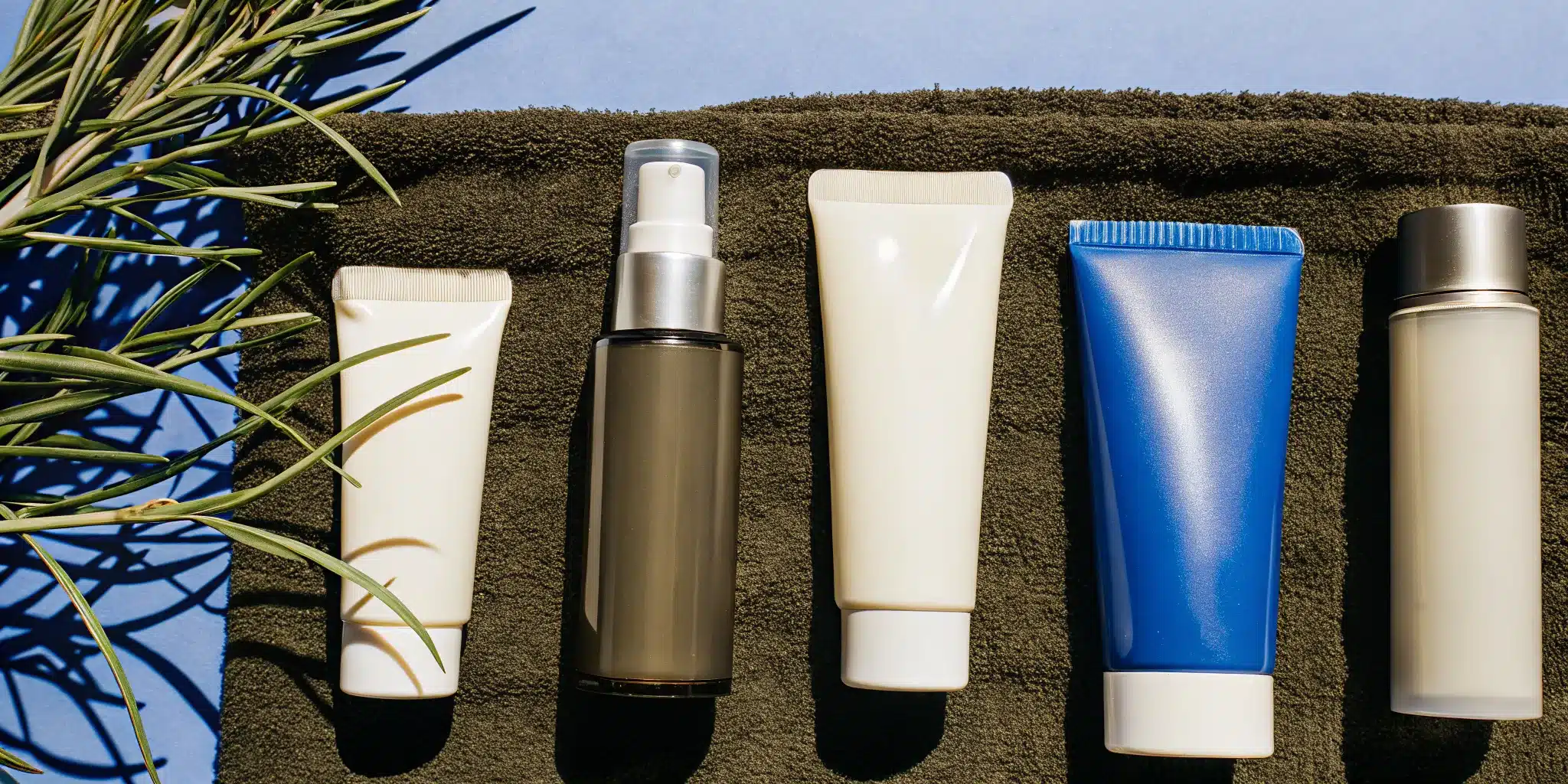
Some people love the hands-on approach of a rich cream, while others prefer the clean, no-mess application of a roll-on. Each format has its own unique benefits. Gels and sprays offer fast absorption for quick relief, while patches provide slow, steady support throughout the day. Understanding these differences can help you find the perfect match for your needs. At Dragon, we offer a variety of topical formulas so you can choose the application method that works best for you.
Creams & Lotions: Best for Hands-On Application
If you enjoy the therapeutic benefit of a good massage, creams and lotions are your best bet. Their thicker consistency is perfect for working into larger areas like your back, legs, and shoulders. The act of massaging the product into your skin not only helps with absorption but can also increase blood flow and ease muscle tension on its own. Creams often contain moisturizing ingredients that leave your skin feeling soft, not sticky. They are ideal for at-home use when you have a few extra minutes to really focus on a sore area. Our pain relief jars are perfect for this kind of hands-on application.
Roll-Ons: For Mess-Free, On-the-Go Relief
For targeted relief without the mess, nothing beats a roll-on. The rollerball applicator lets you apply the product directly to the source of your discomfort, whether it’s a knot in your neck or a tender spot on your knee. This format is incredibly convenient for on-the-go use. You can easily stash a roll-up applicator in your purse, desk drawer, or gym bag for quick access whenever you need it. Plus, the applicator provides a gentle massage as you apply it, helping the active ingredients penetrate the skin while keeping your hands completely clean. It’s the perfect solution for fast, easy relief anytime, anywhere.
Gels & Sprays: When You Need It to Work Fast
When you need relief and you need it now, gels and sprays are designed for speed. These formulas are typically lightweight and water-based, allowing them to absorb into the skin almost instantly without leaving a greasy residue. Sprays are especially useful for covering large or hard-to-reach areas, like your mid-back, with just a few quick spritzes. Gels provide a similar fast-absorbing feel with a bit more control over the application. Both are great choices before a workout to warm up muscles or right after to cool them down, providing a refreshing sensation and fast-acting support.
Patches: Set-It-and-Forget-It Support
Patches are the ultimate “set it and forget it” solution for persistent aches. They work by adhering to your skin and delivering a slow, consistent dose of active ingredients over several hours. This makes them an excellent choice for long-lasting relief from chronic issues or for getting through a long workday without having to reapply. You simply place the patch over the affected area and let it do its job. Because the ingredients are contained within the patch, it’s a completely mess-free option that provides targeted, all-day support right where you need it most.
How to Tell If a Muscle Cream Will Actually Work
When you’re dealing with sore muscles, you want a cream that actually works. But with so many options out there, how can you tell which ones will deliver real relief? It’s not just about the brand name or the price tag. The most effective muscle pain creams share a few key qualities that set them apart from the rest.
An effective cream works quickly, absorbs deeply, feels good on your skin, and is backed by ingredients that have been shown to work. It should fit seamlessly into your routine, whether you’re recovering from a workout or soothing everyday aches. Think about what matters most to you: Do you need something that kicks in fast before a run? Or a non-greasy formula you can apply at your desk? Understanding these factors will help you find the perfect match for your pain relief needs.
How Fast (and How Long) Does It Work?
One of the first questions we ask is, “How soon will I feel better?” The answer depends on the product’s active ingredients. Many topical relievers, especially those with menthol or camphor, create an immediate cooling or warming sensation that distracts your brain from the pain. Deeper relief usually follows, with some research suggesting that topical products can start working within 30 to 60 minutes. The duration of the effect can vary from a few hours to most of the day. For some ingredients, consistent use is key to experiencing the full benefits, so it’s important to follow the application instructions.
Absorption: How Deep Does It Go?
For a cream to be effective, its active ingredients need to get past the surface of your skin and reach the sore muscles and joints underneath. The simple act of massaging the product into the affected area helps by increasing blood flow, but the formula itself plays a huge role. Some companies use advanced methods like Nano Boost Technology to break down ingredients into smaller particles, which may help them absorb more deeply and get to work faster. A good cream won’t just sit on top of your skin; it will penetrate to where you need it most.
Feel: Is It Greasy, Sticky, or Just Right?
Let’s be honest, if a cream is a sticky, greasy mess, you’re probably not going to use it very often. The user experience is a huge part of what makes a product effective. Do you prefer a thick cream you can massage in, or a lightweight lotion that absorbs quickly? Mess-free Roll-Ups are perfect for targeting specific spots without getting your hands dirty, while sprays offer quick application for hard-to-reach areas. The right texture and application method can make all the difference in sticking with a pain relief routine.
Proof: Is It Backed by Science?
A truly effective cream relies on proven ingredients. Look for products that feature active compounds like menthol, camphor, or arnica, which have a long history of use in topical relief. The best brands are transparent about what’s in their formulas and why, often providing detailed information on their benefits and ingredients. It’s also a good sign when a company is FDA-registered and provides third-party lab results to verify the purity and potency of their products. This shows they are committed to quality and confident in what they’re selling.
When Should You Reach for a Muscle Cream?
Topical pain relief creams are incredibly versatile. Because you apply them directly to the source of your discomfort, they can provide targeted relief for a wide range of issues, from the temporary soreness you feel after a new workout to the persistent aches that come with a chronic condition. Instead of a one-size-fits-all solution, these creams use active ingredients like menthol and camphor to interact with pain receptors in a specific area. This process, known as counter-irritation, creates sensations of cooling or warmth that help override pain signals, giving your brain something else to focus on besides the ache. This localized approach is what makes them a go-to for so many different lifestyles and needs. Whether you’re an athlete looking to soothe tired muscles, a desk worker with a stiff neck, or someone managing the daily challenges of arthritis, there’s a good chance a topical cream can help you find comfort right where you need it. They offer a way to address pain without systemic medication, giving you control over your relief and letting you get back to your day.
For Soothing Post-Workout Soreness
After you’ve pushed your limits at the gym, that next-day soreness can be a real challenge. Topical creams are perfect for this kind of acute muscle pain. While they don’t magically repair muscle fibers, they offer fast, short-term relief from soreness. According to Men’s Health, these creams work by blocking pain signals from reaching your brain. The cooling sensation from an ingredient like menthol creates a powerful distraction from the ache, allowing you to move more comfortably. This makes it easier to cool down, stretch, and get on with your day without being sidelined by delayed onset muscle soreness (DOMS). A mess-free roll-on applicator is especially convenient for your gym bag.
For Everyday Aches & Pains
For those dealing with more persistent issues like arthritis, joint stiffness, or recurring back pain, warming therapy can be a game-changer. As one brand, Sore No More, explains, “Warm Therapy is best for ongoing pain like arthritis, back pain, and fibromyalgia. It helps you move better and improves blood flow.” Ingredients like camphor act as counterirritants, creating a gentle warming sensation that soothes deep-seated aches and eases stiffness. Applying a cream from a jar allows you to massage the product in, which can further help relax the area and support better mobility for your daily activities.
For Easing Work-Related Strain
Whether you spend your day hunched over a computer, lifting heavy objects, or standing for hours, work-related strain is a common problem. From “tech neck” to a sore lower back, these pains are often concentrated in one area. As experts at UT Southwestern Medical Center note, “Pain-relief creams you put on your skin can also be a good option for local pain.” Applying a cream directly to your tense shoulders or aching feet provides targeted relief right where you need it most. It’s a simple and effective way to manage discomfort throughout the workday without having to rely on pills.
Debunking Common Myths About Muscle Creams
When you’re dealing with muscle soreness, you want relief you can count on. But with so much information out there, it’s easy to get tripped up by myths and misconceptions about topical pain creams. Let’s clear the air and bust a few common myths so you can feel confident in the product you choose. Understanding how these creams actually work is the first step toward finding effective, reliable support for your aches and pains.
It’s all about knowing what to expect and how to look for quality. When a company is transparent about its benefits and ingredients, you can make an informed decision that aligns with your wellness goals. Let’s separate fact from fiction.
Myth: Relief Should Be Instant
We all want immediate relief, but it’s important to have realistic expectations. While some creams get to work quickly, they aren’t magic. Research shows that topical pain relievers typically start working within 30 minutes to an hour. The active ingredients need time to penetrate the skin and reach the muscles and joints underneath.
Think of it this way: the cream is on a mission, and it needs a little time to travel to its destination. While advanced formulas use technologies like nano-emulsion to improve absorption, patience is still part of the process. So, apply your cream, relax for a bit, and give it a chance to do its job before you assess the results.
Myth: ‘Natural’ Is Always Better (and Safer)
The word “natural” feels reassuring, but it doesn’t automatically guarantee a product is safe or effective. The U.S. Food and Drug Administration (FDA) doesn’t regulate all-natural supplements and topicals in the same way it does prescription drugs. This means the responsibility often falls on you, the consumer, to be discerning.
That’s why it’s so important to choose products from brands that prioritize transparency and quality. Look for companies that conduct third-party testing and make their lab results easily accessible. This shows they stand behind their formula and are committed to providing a product that is pure, potent, and free from harmful contaminants. A truly great product has nothing to hide.
Myth: It’s Only Masking the Problem
Some people believe that topical creams only cover up pain without doing anything to help. In reality, these products work by using active ingredients to interrupt pain signals before they can reach the brain. For example, ingredients like menthol and camphor act as counterirritants, creating a cooling or warming sensation that overrides the feeling of discomfort.
This isn’t just “masking” the issue; it’s an effective mechanism for providing short-term relief from soreness. By easing discomfort, these creams can help you stay active, recover more comfortably after a workout, and get through a long day on your feet. They are a valuable tool for managing everyday aches and strains right where they happen.
Your Safety Checklist for Using Topical Pain Relievers
Getting relief from muscle pain shouldn’t be complicated, and using a topical cream is one of the most direct ways to target soreness. While these products are generally very safe, following a few simple guidelines ensures you get all the benefits without any of the potential downsides. Think of these as the golden rules for making your pain relief cream work effectively and safely every time.
Start With a Simple Patch Test
Before you apply a new cream to a large area, it’s always a good idea to do a quick patch test. This is a simple way to see how your skin will react to the formula, especially if you have sensitive skin or known allergies. To do this, apply a small, dime-sized amount of the product to a discreet patch of skin, like the inside of your wrist or elbow. Leave it on for 24 hours. If you don’t see any signs of redness, itching, or irritation, you can feel confident about using it on a larger area. This little step can save you a lot of discomfort later on.
How to Apply It for the Best Results
To get the best results, how you apply the cream matters. Start by making sure the affected area is clean and dry. Squeeze out the recommended amount and apply a thin, even layer over the sore muscle or joint. Instead of just quickly rubbing it in, take a minute to gently massage the cream into your skin until it’s fully absorbed. This helps the active ingredients penetrate more effectively, and the massage itself can help increase blood flow and relax the muscle. Always read the product’s instructions for specific guidance on how much to use and how often to reapply.
When to See a Doctor Instead
Topical pain relievers are great for many situations, but there are a few times when you should avoid using them. The most important rule is to never apply these products to broken, damaged, or irritated skin. This includes cuts, scrapes, rashes, or sunburns, as the ingredients can cause stinging and further irritation. You should also avoid using a heating pad on top of the cream or wrapping the area tightly with a bandage. The added heat can intensify the ingredients’ effects and potentially cause skin burns or blisters.
Wash Your Hands (and Avoid Your Eyes!)
This last tip is simple but crucial. After you finish applying the cream, immediately wash your hands thoroughly with soap and water. Many pain relief creams contain potent ingredients like menthol and camphor that create cooling or warming sensations. While they feel great on a sore shoulder, they can cause a very unpleasant burning feeling if you accidentally touch your eyes, nose, or mouth. A proper handwashing is the best way to make sure the relief stays exactly where you want it and nowhere else.
Avoid Using with Heat Sources
This might be the most important rule on the list: never mix your muscle cream with a direct heat source. While it might seem like a good idea to double down on relief by placing a heating pad over a freshly applied cream, this can be a recipe for discomfort. The added heat intensifies the effects of active ingredients like menthol and camphor, potentially leading to skin irritation, burns, or blisters. The same goes for tight bandages, which can trap heat against your skin. Let the cream do its job on its own—its formula is designed to provide that soothing sensation all by itself.
Time Your Application Around Showers
Timing is everything, especially when it comes to showers. Applying a muscle cream right before stepping into a hot shower can make the cooling or warming sensation feel overwhelmingly intense, as the steam and heat open up your pores. The best practice is to apply your cream after you’ve showered and completely dried off. This ensures your skin is clean and ready to absorb the active ingredients effectively. When you do apply it, take a moment to gently massage a thin layer into the sore area until it’s fully absorbed. Following the product’s specific application instructions will always give you the best and safest results.
Check for Age Restrictions
While muscle creams are a staple in many medicine cabinets, they aren’t always suitable for everyone, especially children. Kids’ skin is often more sensitive, and some active ingredients may be too potent for them. Before using a product on a younger person, always read the label carefully to check for any age restrictions or specific warnings. Regardless of age, it’s always a smart move to perform a patch test with any new product to rule out potential irritation. Remember that these creams are designed for temporary relief from symptoms, helping you manage soreness and stay comfortable safely.
How to Choose the Right Non-CBD Muscle Sore Cream
With so many options on the shelf, finding the right non-CBD cream can feel a little overwhelming. But it doesn’t have to be. The best choice really comes down to your specific needs, your lifestyle, and what feels good on your skin. Let’s walk through a few simple steps to help you find the perfect match for your muscle and joint discomfort. By thinking through the ingredients, application style, and your own body’s needs, you can confidently pick a product that delivers the relief you’re looking for.
Check the Active Ingredients First
First, think about the kind of sensation you prefer. Do you find a cooling feeling soothing, or does gentle warmth help your muscles relax? The active ingredients determine the effect. Menthol provides that classic cooling relief, while camphor offers a comforting warmth. Some formulas use numbing agents like lidocaine for more targeted relief. Many products also include beneficial herbal ingredients like arnica, which has been used for centuries to address soreness. Understanding what these key ingredients do is the best way to narrow down your options from the start.
Match the Application to Your Lifestyle
How and when you plan to use your pain cream matters. If you need something for your gym bag or desk drawer, a no-mess Roll-Up is incredibly convenient. You can apply it quickly without getting anything on your hands. If you prefer to massage the product into a larger area like your back or legs, a cream or lotion from a Jar is a better fit. This allows you to work the formula into the muscle for deeper relief. For hard-to-reach spots, a spray can be a great solution. Matching the format to your routine makes it easier to stay consistent.
Don’t Forget About Your Skin Type
Before you go all-in with a new product, it’s smart to make sure it agrees with your skin. Even creams with natural ingredients can cause irritation if you have a sensitivity or allergy. Take a moment to read the full ingredient list to check for anything you know you react to. It’s also a good idea to perform a quick patch test. Just apply a small amount to an area like your inner wrist and wait 24 hours to see if any redness or irritation develops. This simple step can prevent a reaction and ensure your experience is a positive one.
Know What to Expect
Topical pain relievers are fantastic tools for managing discomfort, but it’s important to understand how they work. These creams provide temporary relief by creating sensations that override pain signals, helping you feel better in the moment. They are excellent for soothing post-workout soreness, easing arthritis stiffness, or calming a tense neck after a long day at the computer. However, they aren’t designed to heal the underlying cause of the pain. Think of them as a powerful ally for managing symptoms so you can keep moving and feel more comfortable throughout your day.
Consider Specialized Formulas
Sometimes, you want powerful relief without any cannabis-derived ingredients. Whether it’s due to personal preference, workplace policies, or skin sensitivities, it’s great to have options. When you need to skip the CBD, you can look for specialized formulas that rely on other proven active ingredients like menthol, camphor, and beneficial terpenes to soothe discomfort. These products are specifically designed to deliver effective results using alternative plant-based compounds. For example, our Super CBD-Free Terpene Blend was created for this exact reason. It harnesses the power of menthol and camphor, enhanced with our Nano Boost Technology for deeper absorption, giving you a potent solution without any cannabinoids.
Smart Shopping for Muscle Sore Creams
Once you’ve narrowed down the type of cream you want, it’s time to think like a savvy shopper. The market is filled with choices, and a little bit of know-how can help you get the best product for the best price. It’s not just about grabbing the first box you see on the shelf. By taking a few extra minutes to explore your options, you can save money and find a product that truly fits your needs. From using pre-tax health accounts to finding the best deals online, there are plenty of ways to make your purchase work harder for you. Let’s go over a few practical tips to help you shop smarter for your muscle relief essentials.
Using Your HSA or FSA for Purchases
If you have a Health Savings Account (HSA) or Flexible Spending Account (FSA) through your employer, you might be able to use those pre-tax dollars to buy your muscle cream. Many over-the-counter (OTC) pain relief products are considered eligible medical expenses. This is a fantastic way to save money, as you’re essentially getting a discount equivalent to your tax rate. When shopping online, look for items marked as “HSA/FSA eligible.” You can typically use your account’s debit card at checkout just like a regular credit card. Be sure to check your specific plan details to confirm eligibility and keep your receipts, just in case.
Finding Deals and Discounts
Who doesn’t love a good deal? Before you buy, do a quick search for discounts. Many brands offer a first-time customer coupon if you sign up for their email newsletter, which is also a great way to stay in the loop about future sales. Another smart move is to look for bundles or multi-packs. Buying in bulk often lowers the cost per item, which is perfect if you’ve found a product you love and use regularly. For example, our Dragon Bundles are designed to give you more of what you need for less. Finally, consider a subscribe-and-save option if it’s available, as this can often save you 10-15% on every order.
Checking for OTC Benefits with Medicare
If you have a Medicare Advantage (Part C) plan, you may have an over-the-counter (OTC) benefit that can help cover the cost of muscle pain creams. Many of these plans provide members with a quarterly allowance to spend on eligible health and wellness products, which often includes topical pain relievers. This benefit is designed to make everyday health items more accessible. To find out if your plan includes this perk, check your plan documents or call the member services number on the back of your insurance card. It’s a valuable benefit that can significantly reduce your out-of-pocket costs for essential self-care items.
Comparing Online vs. In-Store Prices
The price of the exact same product can vary quite a bit depending on where you buy it. As a general rule, prices online are often more competitive than in physical stores. Shopping online gives you the ability to quickly compare prices across different retailers, access online-only discount codes, and take advantage of a wider selection. However, buying in a store means you get the product immediately without waiting for shipping. A good strategy is to do a quick price check on your phone before you buy in-store. This way, you’ll know if you’re getting a fair price or if it’s worth ordering online and waiting a couple of days.
Related Articles
- Pain Relief Cream: Best of 2024 Guide for Muscle Pain
- 10 Best Muscle Pain Relief Creams for Fast Relief
- The 8 Strongest Muscle Relaxant Creams for Pain
- 12 Best Muscle & Joint Pain Relief Creams for 2025
Frequently Asked Questions
Why would I choose a non-CBD cream instead of one with CBD? Choosing a non-CBD cream often comes down to personal preference or specific circumstances. Some people may have sensitivities to cannabinoids or work in professions with strict substance policies. Others simply find that the powerful, targeted relief from ingredients like menthol and camphor is exactly what they need. A well-formulated product, like our Super CBD-Free Terpene Blend, proves that you can get highly effective, plant-based support without any cannabinoids at all.
How often can I safely apply muscle pain cream? It’s always best to start by reading the directions on the product label, as recommendations can vary. Generally, most topical relievers can be applied three to four times a day. The key is to apply a thin layer and listen to your body. If your pain is persistent or gets worse, it’s a good idea to check in with your doctor to make sure you’re addressing the root cause of the issue.
Will these creams have a strong, lingering smell? Many effective pain relief creams use ingredients like menthol and camphor, which do have a distinct, medicinal scent. However, this smell usually fades fairly quickly after the product absorbs into your skin. Some modern formulas are designed with lighter, more pleasant scents, while others, like those with lidocaine, are completely odorless. If scent is a major concern for you, it’s worth looking for an odor-free option.
Can I use more than one type of topical pain reliever at the same time? It’s not a good idea to layer different topical products. Each cream is formulated with specific concentrations of active ingredients, and mixing them can increase your risk of skin irritation or an adverse reaction. For the safest and most effective results, stick to using one product at a time as directed on its label.
What’s the real difference between cooling and warming creams? The difference lies in how their active ingredients interact with your nerve receptors. Cooling creams, which typically use menthol, are great for fresh, acute soreness (like after a tough workout) because the cooling sensation helps dull the immediate feeling of pain. Warming creams, often featuring camphor, are excellent for chronic stiffness or getting muscles ready for activity. The gentle warmth helps increase blood flow to the area, which can relax tight, achy muscles and joints.