Pushing your limits is part of the mountain athlete mindset. We’re always chasing the next summit, a faster time, or a tougher trail. But that constant drive can lead to burnout if it’s not balanced with smart, intentional rest. The truth is, your strength isn’t just built on the climb; it’s forged in the hours that follow. Ignoring your body’s signals, especially in a demanding high-altitude environment, is a huge mistake. This guide breaks down the essential recovery tips mountain athletes need to build a sustainable routine that supports long-term performance and keeps you on the trail.
Key Takeaways
- Altitude changes the recovery game: The thinner air and dry climate at high elevations mean your body works harder to repair itself, making intentional hydration, nutrition, and rest essential for bouncing back effectively.
- Recovery is an active process: Go beyond just resting by incorporating gentle movement to reduce stiffness, strategic nutrition to refuel your body, and quality sleep to allow for deep muscle repair.
- Make recovery a consistent habit: Treat rest with the same importance as your training by scheduling recovery days, listening to your body to avoid overtraining, and using topical treatments with menthol and camphor to manage soreness.
Why Your Mountain Recovery Changes in Colorado
If you live and train in Colorado, you know the mountains demand more from you. It’s not just the steep climbs and rugged trails; the altitude itself changes the entire game for recovery. What works for an athlete at sea level might not be enough to help you bounce back after a day on the trails here. Understanding these differences is the first step to building a recovery routine that keeps you strong, healthy, and ready for your next adventure.
The main reason is the air. At higher elevations, there are fewer oxygen molecules in every breath you take. This means your heart and lungs have to work overtime to deliver the oxygen your muscles need to perform and repair. Studies on mountain athletes show that these reduced oxygen levels can lead to increased fatigue and longer recovery times. Your body is simply under more stress, even when you’re resting.
This isn’t just a feeling. Your body’s ability to perform at its peak, known as your VO₂ max, actually drops at altitude because your system can’t absorb as much oxygen. This makes intentional recovery strategies absolutely essential for bouncing back. On top of that, Colorado’s dry climate pulls moisture from your body faster than you might realize. Proper hydration becomes even more critical here, as dehydration can seriously slow down muscle repair. When you combine the thin air with the dry climate, you get a unique environment that requires a smarter approach to letting your body heal.
Is High Altitude Sabotaging Your Recovery?
Ever wonder why you feel extra sore or fatigued after a big hike or ski day in the Rockies? It’s not just your imagination. Recovering at high altitude is a completely different ballgame because your body is working under a unique set of environmental stressors. The main challenge is the thinner air. At higher elevations, there’s less oxygen available with every breath you take.
This reduced oxygen availability directly impacts your body’s ability to repair itself. During exercise, you create tiny micro-tears in your muscles, and your body needs oxygen to heal them and build them back stronger. When oxygen is scarce, this entire process slows down. Research shows this can lead to decreased VO₂ max and overall endurance, meaning your performance can dip and your recovery timeline can stretch out. Your heart and lungs are already working overtime just to supply your body with enough oxygen for basic functions, let alone for repairing taxed muscles.
On top of that, the dry Colorado air accelerates dehydration. You lose more water through breathing at altitude, and you might not even notice you’re sweating because it evaporates so quickly. This increased fluid loss can lead to thicker blood, which makes it even harder for your heart to pump oxygen and nutrients to your recovering muscles. Your body’s metabolic demands also increase, so you’re burning more calories even at rest. If you don’t properly refuel and rehydrate, you’re essentially asking your body to run a marathon recovery on an empty tank. Understanding these physiological hurdles is the first step toward building a smarter, more effective recovery plan that works for the mountains, not against them.
Preventing Soreness Before It Starts
The smartest recovery plan begins long before you even feel the first twinge of soreness. While it’s great to have a post-hike routine, being proactive on the trail can dramatically reduce the fatigue and stiffness you experience later. It’s all about setting your body up for success by minimizing unnecessary stress on your muscles and joints from the start. By focusing on your training, gear, and on-trail habits, you can finish your day feeling strong instead of completely wiped out. Think of it as front-loading your recovery—a few smart choices beforehand can make a world of difference in how you feel tomorrow.
Train for Endurance
Jumping into a strenuous 14er without a solid fitness base is a recipe for extreme soreness. Building endurance is fundamental to preparing your body for the long, grinding efforts that mountain sports demand. This doesn’t mean you have to be sprinting up hills every day. Instead, focus on consistent, lower-intensity activities that train your body to be more efficient over time. Incorporating slow jogs or long hikes for 40–60 minutes a few times a week teaches your cardiovascular system and muscles to handle sustained work. This type of endurance training helps your body adapt, so a full day on the mountain feels like a challenge, not a shock to the system.
Choose the Right Gear
Your gear should feel like a natural extension of your body, not something you have to fight against. Ill-fitting equipment is a common and completely avoidable cause of pain and soreness. Boots that pinch or rub can lead to blisters and foot pain that alters your gait, causing strain on your knees and hips. A poorly adjusted backpack that sits too low or sways with every step will put immense pressure on your shoulders and lower back. Investing the time to get professionally fitted for essential items like hiking boots and a backpack is one of the best things you can do to prevent injury and unnecessary soreness, allowing you to focus on the trail ahead instead of your aching body.
The 20% Rule for Backpacks
One of the easiest ways to sabotage your hike is by carrying too much weight. Every extra pound in your pack adds significant strain to your muscles and joints, especially on long ascents and descents. A great guideline to follow is the 20% rule: a fully loaded pack shouldn’t weigh more than 20% of your body weight. For example, if you weigh 150 pounds, aim to keep your pack at or below 30 pounds. This simple check, recommended by experts at REI, forces you to be intentional about what you pack and helps ensure your body isn’t doing more work than it needs to.
Wear Supportive Clothing
What you wear can have a real impact on your performance and recovery. Supportive apparel, especially compression gear, is a simple yet effective tool for managing muscle fatigue during and after a long day out. Wearing compression socks, calf sleeves, or tights can help improve blood circulation, which delivers more oxygen to your working muscles and can aid in clearing out metabolic waste. This added support can reduce muscle vibration and damage during high-impact activities, leading to less stiffness and soreness later on. It’s a small adjustment to your kit that can make a noticeable difference in how your legs feel on that final push back to the trailhead.
Use Trekking Poles to Reduce Strain
If you’re not already using trekking poles, you’re missing out on one of the most effective ways to protect your body in the mountains. These aren’t just for stability; they are a tool for redistributing effort and reducing the overall load on your lower body. On uphill climbs, they allow you to engage your arms and shoulders to help propel you forward, taking some of the burden off your legs. On descents, they are absolute game-changers, absorbing a significant amount of impact that would otherwise go straight to your knees and ankles. By using trekking poles, you can minimize the cumulative strain on your joints and muscles throughout the day, preventing a great deal of next-day pain.
Hydrate and Eat on the Trail
Waiting until you feel thirsty or hungry to refuel is a critical mistake, especially at altitude where your body’s needs are heightened. Proper on-trail nutrition and hydration are essential for sustaining energy levels and kickstarting the recovery process before you’ve even finished your activity. Make it a habit to drink water every 15–20 minutes and have a small, easily digestible snack every hour. This steady stream of fluids and calories keeps your muscles fueled and functioning properly, helping to stave off fatigue and prevent cramping. Keeping your body well-nourished on the trail means you’ll finish stronger and give your system a head start on repairing itself. And for when you get back, having a fast-acting roll-up with menthol and camphor ready can help soothe any immediate aches.
Recovery Tips Every Mountain Athlete Needs to Know
After pushing your limits on the trail, what you do next is just as important as the workout itself. Proper recovery is the secret to staying strong, preventing injury, and getting back out there sooner. A smart recovery routine involves specific techniques that help your body repair and adapt to the demands of the mountains. Here are a few essential practices that can make a huge difference in how you feel and perform.
Active Recovery vs. Rest Days: What’s the Right Call?
While it’s tempting to spend a rest day completely still, gentle movement is often more beneficial. This is called active recovery, and it promotes blood flow to tired muscles, helping clear out metabolic waste and reduce stiffness. The best time for this is usually 24 to 48 hours after an intense day. A perfect session is short, just 20 to 30 minutes of low-impact activity like a slow walk or gentle bike ride. The goal is to move your body without getting your heart rate too high, and these top recovery techniques are key for consistency.
Cool Down and Stretch Smartly
The Right Way to Stretch Post-Hike
After a tough hike, the temptation to collapse at the trailhead is real, but how you finish is just as important as how you start. Instead of coming to an abrupt halt, dedicate the last 15 to 20 minutes of your hike to a proper cool-down. Gradually slow your pace from a hike to a stroll. This simple step allows your heart rate to return to normal slowly and helps prevent blood from pooling in your legs. More importantly, it gives your muscles a chance to ease out of high gear, which can significantly reduce post-exercise stiffness and the dreaded Delayed Onset Muscle Soreness (DOMS) that can show up a day or two later.
Once you’ve cooled down, it’s time to stretch—but not in the way you might think. The old-school advice of holding deep, static stretches right after a workout can actually do more harm than good. Your muscles are fatigued and vulnerable, and forcing them into long holds can cause tiny tears, potentially increasing soreness and slowing down your recovery. Instead, focus on gentle, dynamic movements that encourage blood flow without putting extra strain on your tissues. Think leg swings, torso twists, or walking lunges. These types of recovery movements help flush out metabolic byproducts and keep your muscles pliable.
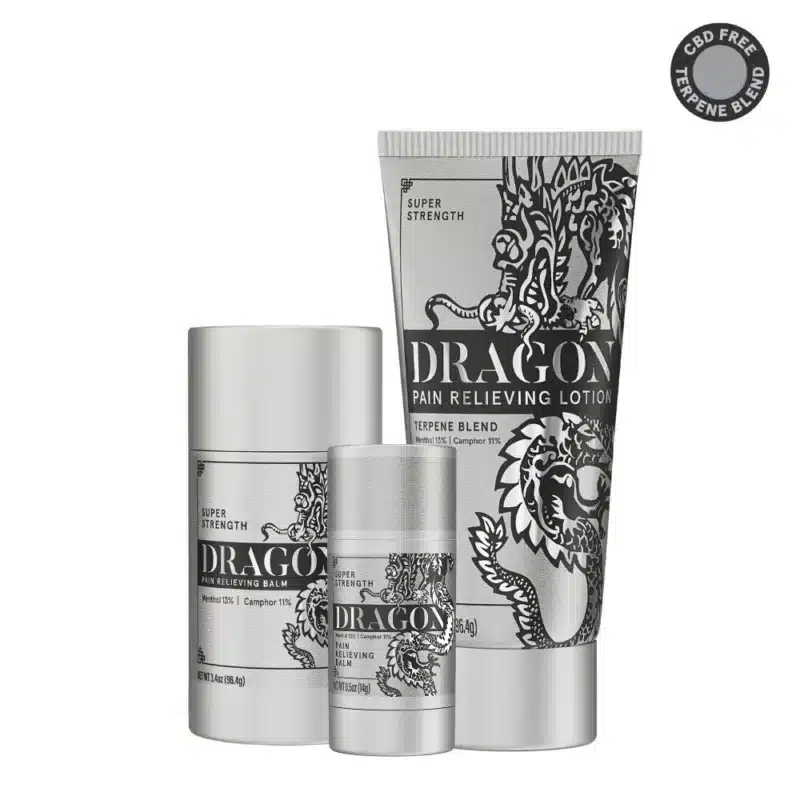
To give your muscles an extra hand, consider adding a topical treatment to your post-hike ritual. Applying a product with cooling ingredients like menthol and camphor can provide targeted relief to sore spots like your quads, calves, and lower back. The cooling sensation helps soothe tired muscles and eases discomfort after a long day on your feet. A convenient roll-up applicator is perfect for tossing in your pack, allowing you to address soreness right at the trailhead. This simple step complements your stretching routine by helping your muscles relax, setting you up for a faster and more comfortable recovery.
Roll It Out: Your Guide to Foam Rolling and Self-Massage
Tackling muscle knots is a critical part of recovery. Using a foam roller or massage ball for self-myofascial release helps break up adhesions and soothe sore spots in your quads, calves, and back. Percussive therapy devices can also release deep muscle tension and increase circulation to support the healing process. To make your self-massage more effective, pair it with a topical balm. Applying a product with menthol and camphor before rolling creates a cooling sensation that eases discomfort, allowing you to work deeper into the muscle. Our recovery jars are perfect for this hands-on approach.
Choosing the Right Massage Tools
Your massage tool kit doesn’t need to be complicated, but having the right options makes a difference. A classic foam roller is great for large muscle groups like your quads and back, while a massage ball lets you pinpoint smaller, stubborn knots. These tools are perfect for self-myofascial release, which helps break up tight spots and soothe soreness. For deeper tension, a percussive therapy device can work wonders by increasing circulation. Whatever tool you choose, you can get more out of your session by applying a topical treatment first. The cooling effect from ingredients like menthol and camphor helps ease initial discomfort, letting you work into the muscle more effectively. Our mess-free roll-ups are perfect for this, allowing you to target an area before you start your massage.
When to Use Ice vs. Heat for Muscle Recovery
Using temperature is a classic recovery method for a reason. Cold therapy, like an ice bath, is ideal right after a grueling workout. Immersing yourself in cold water (around 50–59°F) for 10 to 15 minutes can help reduce inflammation and muscle soreness. While it’s a shock to the system, it may seriously improve your recovery time. Heat therapy is best for relaxing tight muscles on your off days. A hot bath or sauna can soothe general aches and improve circulation. Interestingly, some research suggests heat can even trigger adaptations similar to altitude training, supporting your body’s resilience.
Cold Water Immersion
While the thought of a cold plunge might make you shiver, its benefits for post-workout recovery are hard to ignore. Cold therapy is most effective right after a tough session. Immersing yourself in cold water, ideally between 50–59°F, for about 10 to 15 minutes can significantly reduce inflammation and delayed onset muscle soreness. The cold causes your blood vessels to constrict, and once you get out, they dilate, which helps flush metabolic waste from your muscles. It’s a shock to the system, but this process can seriously improve your recovery time, making it a powerful tool after a long day of hiking or skiing in the mountains.
Soothing Epsom Salt Baths
On days when your muscles feel tight and overworked, a warm Epsom salt bath can be incredibly restorative. Taking a soak is a classic way to help with muscle soreness. The theory is that the magnesium sulfate in the salt helps relax muscles and ease tension. For the best results, add about two cups of Epsom salt to a warm bath and soak for at least 20 minutes. The warm water increases blood flow, which aids in recovery, while the magnesium provides added support. After your bath, pat your skin dry and apply a topical treatment to your sorest spots. Our recovery lotion with menthol and camphor is perfect for this, as it creates a lasting cooling sensation that complements the relaxing effects of the bath.
Don’t Forget Your Feet
Your feet are your foundation on the mountain, carrying you over thousands of steps on even a moderate hike, yet they’re often the last thing we think about during recovery. After being crammed into boots and pounding against rocky terrain, they deserve some dedicated attention. Start by gently stretching your calves, ankles, and arches. Then, use a golf or lacrosse ball for a targeted massage to roll out tight spots. For an even better experience, apply a topical balm beforehand. The cooling sensation from ingredients like menthol and camphor can help soothe tired arches, and our soothing lotions are perfect for this, providing a smooth glide while the active ingredients get to work. This simple routine can significantly improve blood flow and makes a world of difference for your next outing.
Fuel Your Mountain Recovery: What to Eat
After a long day on the trail or a tough climb, what you put into your body is just as important as stretching or foam rolling. The right foods and fluids help your muscles repair, reduce soreness, and get you ready for your next adventure. Fueling properly is a non-negotiable part of mountain life, especially here in Colorado where the altitude adds another layer of challenge. Let’s get into the specifics of what your body needs.
Nail Your Post-Workout Nutrition: Timing and Protein
Timing is everything when it comes to refueling. Your muscles are most receptive to nutrients within the first 30 to 60 minutes after you finish your activity. This is your prime window to kickstart the repair process. Aim for a snack or meal that contains 20–30 grams of protein and a healthy dose of carbohydrates to replenish your energy stores. It doesn’t have to be complicated; think a protein shake with a banana, a cup of Greek yogurt with berries, or even a simple glass of chocolate milk. These simple combinations provide the building blocks your body needs to recover effectively. For more in-depth nutrition strategies, you can find great resources from experts.
Energy-Restoring Foods to Pack
Your best bet for hitting that crucial recovery window is to have snacks waiting for you in your car or backpack. You need a mix of carbohydrates to restock your energy and protein to help your muscles repair themselves. Think simple and portable: a handful of trail mix with nuts and dried fruit, a quality protein bar, or beef jerky paired with a banana are all excellent choices. Even a pre-made protein shake or a container of Greek yogurt can do the trick. Having these items on hand means you can start the recovery process immediately, rather than waiting until you get home. This simple prep work makes a massive difference in reducing next-day soreness and getting you ready for whatever you have planned next.
High-Altitude Hydration: It’s More Than Just Water
Living and playing at altitude means hydration is a full-time job. The dry Colorado air causes you to lose fluid faster through breathing and sweat, even when it doesn’t feel like it. Dehydration can seriously slow down your recovery and make you feel fatigued. While drinking plenty of water is a great start, you also need to replace lost electrolytes like sodium and potassium. These minerals are essential for muscle function and fluid balance. Consider adding an electrolyte tablet to your water bottle or snacking on a banana and a handful of salted almonds post-hike. Understanding how altitude impacts performance is key to staying on top of your game.
Fight Soreness with These Anti-Inflammatory Foods
Intense physical activity naturally causes some inflammation, which is part of the healing process. However, you can support your body and manage soreness by incorporating anti-inflammatory foods into your diet. Focus on whole foods rich in antioxidants and healthy fats. Think colorful fruits and vegetables like berries and leafy greens, fatty fish like salmon for its omega-3s, and nuts and seeds. A well-rounded diet provides the vitamins and minerals your body needs to repair tissue. According to experts, a solid guide to injury nutrition for athletes includes plenty of vitamin C, vitamin D, and magnesium to help your body heal and feel its best.
Supplements That May Support Recovery
While a whole-foods diet is your foundation, some supplements can provide targeted support for the demands of mountain training. For direct muscle repair, Branched Chain Amino Acids (BCAAs) are well-supported for helping you achieve faster physical recovery and reduce fatigue. Similarly, creatine monohydrate is one of the most effective forms to enhance muscle energy availability. Beyond muscle fuel, managing stress is key. Adaptogens like Ashwagandha may reduce muscle soreness, while antioxidants like Glutathione are known to help combat the oxidative stress from intense workouts. Finally, don’t overlook minerals; magnesium, particularly in glycinate or citrate forms, is crucial for promoting the quality sleep and muscle relaxation that are the cornerstones of true recovery.
Why Sleep Is Your Most Important Recovery Tool
You can stretch, foam roll, and ice all you want, but if you aren’t getting enough quality sleep, you’re missing the single most effective recovery tool available. While you rest, your body is hard at work repairing the day’s damage. According to UCHealth, sleep is when your body actively repairs muscle tissue, balances hormones essential for recovery, and strengthens your immune system. For mountain athletes, this process is even more critical. The combined stress of high altitude and intense physical activity demands more from your body, and sleep is when it rebuilds.
Think of it as your body’s dedicated maintenance period. During deep sleep, growth hormone is released, which is vital for repairing tissues you’ve broken down during a long trail run or a day on the slopes. Sleep also plays a central role in your mental health and hormonal balance, which directly impacts your ability to perform. It helps solidify memories and skills, meaning that new technique you practiced on your mountain bike gets locked in. Prioritizing sleep isn’t just about feeling less tired; it’s a non-negotiable part of improving your physical performance and staying healthy enough to keep doing what you love in the mountains. It’s the foundation upon which all other recovery practices are built.
Your Checklist for a Perfect High-Altitude Sleep Environment
Your bedroom environment can either help or hinder your body’s ability to recover. The goal is to create a space that signals to your brain that it’s time to power down. Start by making your room as dark, cool, and quiet as possible, think of it as your personal recovery cave. Blackout curtains can block out disruptive light, while a fan or white noise machine can drown out ambient sounds. Research from Prime Bellingham suggests that a cool, dark room is a key part of optimizing your sleep. Also, try to eliminate screens at least an hour before bed, as the blue light can interfere with your body’s natural melatonin production.
Can’t Sleep at Altitude? Try These Strategies
Beyond creating a cave-like environment, your daily habits play a huge role in sleep quality. One of the most effective strategies is sticking to a consistent sleep schedule, even on weekends. Going to bed and waking up around the same time every day helps regulate your body’s internal clock. It’s also important to establish a relaxing pre-sleep routine to wind down. This could include gentle stretching, reading a book, or applying a soothing balm from one of our jars to sore muscles. Finally, be mindful of what you consume in the evening. Avoid large meals, caffeine, and intense workouts too close to bedtime, as they can all make it harder to fall asleep and stay asleep.
Our Favorite Active Recovery Moves for Mountain Sports
After a tough day on the trail or slopes, your first instinct might be to collapse on the couch and not move until tomorrow. While rest is absolutely crucial, incorporating gentle movement, known as active recovery, can actually help you bounce back faster and feel better. The goal isn’t to log another workout or push through the pain. Instead, it’s about supporting your body’s natural repair processes so they can work more efficiently.
Think of active recovery as a collection of low-intensity activities designed to get your blood flowing without putting more strain on your tired muscles. It’s a gentle nudge to your circulatory system, helping to deliver fresh oxygen and nutrients where they’re needed most. This process also helps clear out the metabolic byproducts that build up during intense exercise and contribute to that all-too-familiar muscle soreness. By combining light movement with dedicated mobility work and mental rest, you create a powerful, well-rounded routine that prepares you for your next adventure. These techniques are simple, effective, and can make a huge difference in how you feel day-to-day, reducing stiffness and keeping you ready for whatever the Colorado mountains throw your way.
Gentle, Low-Impact Activities to Speed Up Recovery
Instead of a full stop, think of active recovery as a slow roll. Gentle, low-impact movement is one of the best recovery techniques for athletes because it keeps your muscles loose and promotes circulation. This increased blood flow helps flush out metabolic waste that builds up during intense exercise, which can reduce soreness and stiffness.
Your active recovery session should feel easy and restorative. Good options include a leisurely walk on a flat trail, a slow bike ride, or swimming a few laps in a pool. The key is to keep your heart rate low and the effort minimal. You’re not trying to build fitness here; you’re simply helping your body heal. Aim for 20 to 30 minutes of light activity on your day off or after a particularly strenuous outing.
How Mobility and Flexibility Aid Mountain Recovery
Mountain sports often involve repetitive motions that can lead to tight hips, hamstrings, and shoulders. Over time, this can limit your range of motion and even lead to injury. Incorporating flexibility and mobility work into your routine is essential for staying limber and moving efficiently. As research shows, flexibility exercises can help improve mobility and reduce stiffness, which is key for long-term performance.
You can do this through static stretching after your activity, holding each stretch for 30 seconds. A simple yoga flow or a dedicated mobility session focusing on problem areas can also work wonders. Pay attention to what your body needs. If your lower back is tight after a long hike, focus on gentle twists and hamstring stretches. This small investment of time pays off by keeping you agile and ready for the mountains.
Recharge Your Body and Mind with Breathwork and Mindfulness
Recovery isn’t just physical; it’s mental, too. The focus and intensity required for mountain sports can be mentally draining, and high altitude can add another layer of stress. Taking time to calm your mind is a non-negotiable part of a complete recovery plan. Simple mindfulness practices, like deep breathing exercises or a short meditation session, can lower cortisol levels and shift your body into a relaxed, restorative state.
This mental reset is especially important for sleep, which is your body’s prime time for repair. Creating a solid pre-sleep routine free from screens can significantly improve your sleep quality. Try spending five minutes before bed focusing on slow, deep breaths. This simple act can quiet your nervous system, helping you fall asleep faster and wake up feeling more refreshed and recharged.
A Simple Breathing Exercise for Relaxation
You don’t need any special equipment to tap into one of the most powerful recovery tools you have: your breath. Focusing on your breathing can shift your nervous system out of a stressed state and into a “rest and digest” mode, which is when your body does its best repair work. Here’s a simple but powerful technique to try: find a comfortable position, either sitting or lying down. Breathe in through your nose for a count of four, and then immediately breathe out through your mouth for a count of eight. The longer exhale is key, as it signals to your body that it’s time to calm down. Repeating this cycle for just a few minutes after a workout or before bed helps your body relax, lowers stress hormones, and creates the ideal internal environment for muscle recovery.
How Natural Relief Can Support Your Mountain Recovery
After pushing your body on the trail or slopes, your muscles and joints deserve some attention. While things like stretching and nutrition are foundational, topical treatments can offer targeted support right where you need it most. Think of them as a valuable tool in your recovery toolkit, helping you manage the aches and stiffness that come with an active mountain lifestyle. Applying a balm or lotion can be a simple, effective step in your post-activity ritual, helping you feel ready for your next adventure.
Why Menthol and Camphor Aid Muscle Recovery
When you feel that familiar post-hike soreness, ingredients like menthol and camphor can be incredibly helpful. These natural compounds work as topical analgesics, creating cooling and warming sensations that help quiet discomfort in your muscles and joints. This sensation essentially gives your brain something else to focus on besides the ache. For really tough soreness, a powerful formula can make all the difference. Our Maximum Strength products combine 15% menthol and 11% camphor for deep, lasting relief. When paired with full-spectrum cannabinoids, which research suggests have their own therapeutic properties, these formulas offer comprehensive support for your recovery.
How to Add a Topical Balm to Your Recovery Routine
Incorporating a topical treatment into your routine is easy. When you need fast relief, simply apply a pain-relieving balm to the affected area and gently massage it into the skin. You can target sore quads after a steep ascent, an aching back from carrying a pack, or stiff joints after a day on the mountain. For the best results, apply it right after your post-workout shower when your pores are open. Keeping a Roll-Up in your pack or car means you can address discomfort on the go, while larger Jars are perfect for a more thorough massage at home.
Are You Making These Mountain Recovery Mistakes?
When you live and play in the mountains, the drive to push harder is always there. Another mile, another thousand feet of vert, one more lap. But true strength isn’t just built during the workout; it’s forged during recovery. Pushing your body to its limits without a smart recovery plan is a recipe for burnout, injury, and frustration. The unique demands of the Colorado environment mean we have to be even more intentional about how we bounce back, because the stakes are higher.
Even the most seasoned athletes can fall into bad habits, especially when they feel like they’re on a roll. We often focus so much on the physical output that we overlook the subtle signals our bodies are sending. The two most common missteps we see are underestimating the profound effect of altitude on training and completely ignoring the mental side of the recovery equation. Getting this right means you can train harder, feel better, and stay in the game for the long haul. It’s about finding the right balance for your body and your goals, whether you need regular strength support for daily aches or maximum power for intense training cycles.
How to Spot the Signs of Overtraining at Altitude
Training at elevation is a completely different ballgame. The air is thinner, which means there’s less oxygen available for your working muscles. As a result, your VO₂ max drops, and your body has to work significantly harder to produce the same output you’d manage at sea level. It’s a common mistake to follow a sea-level training plan note for note in the mountains, as this can quickly lead to overtraining.
According to research on altitude and athletic performance, being fit can actually mask the early symptoms of altitude stress. You might feel fine and push through a workout, not realizing you’re digging yourself into a deep recovery hole. The key is to listen to your body, prioritize acclimatization, and adjust your effort based on how you feel each day, not what your watch says you should be doing.
Ignoring the Importance of Mental Recovery
Your body doesn’t know the difference between stress from a grueling trail run and stress from a demanding job. It all contributes to your cumulative physical and mental load, and it all impacts your ability to recover. If you’re only focusing on foam rolling and protein shakes while ignoring high stress levels and poor sleep, you’re missing a huge piece of the puzzle.
Sleep is arguably the most powerful recovery tool you have. It’s when your body does the heavy lifting of repairing muscle tissue, balancing hormones, and consolidating memories. As noted by coaches, sleep plays a central role in recovery, mental health, and physical performance. Prioritizing 7-9 hours of quality sleep each night is non-negotiable. Creating a relaxing bedtime routine, which could include a gentle massage with a soothing pain relief lotion, can help signal to your mind and body that it’s time to rest and recharge.
Forgetting That Recovery Is When You Get Stronger
It’s easy to fall into the trap of thinking that more is always better, especially when the mountains are calling. We often feel like if we’re not actively training, we’re losing progress. But the truth is, your body doesn’t build strength during the workout; it builds it during the rest period that follows. The stress of a hard climb or a long run creates micro-tears in your muscles, and it’s during recovery that your body repairs those tears, making them stronger and more resilient than before. This adaptation is how you improve. When you skip or shorten this crucial phase, you’re not just risking overuse injuries—you’re actively robbing yourself of the gains you worked so hard for.
True recovery is far more than just sitting on the couch. As we’ve covered, recovery is an active process that involves intentional nutrition, hydration, gentle movement, and, most importantly, quality sleep. While you sleep, your body is hard at work, releasing growth hormone to repair tissue, balancing hormones that regulate stress, and strengthening your immune system. It’s your system’s dedicated time for maintenance and repair. Ignoring this means you’re starting your next workout in a deficit, which can lead to a frustrating cycle of fatigue, poor performance, and a much higher risk of getting sidelined.
Relying on Painkillers Instead of Proper Recovery
When every muscle aches after a big day, reaching for a painkiller can feel like the quickest way to get relief. While it might temporarily mask the discomfort, it doesn’t do anything to address the underlying cause of your soreness. Pain is your body’s way of communicating, signaling that it needs time and resources to heal. Relying on pills can become a habit that allows you to ignore those signals, potentially leading you to push too hard and turn minor soreness into a real injury. A smarter, more sustainable approach is to use recovery techniques that actively help your body heal and adapt, rather than just silencing its feedback.
Instead of just numbing the pain, focus on methods that support your body’s natural repair cycle. Techniques like cold therapy can help manage inflammation right after a tough session, while strategic nutrition gives your muscles the fuel they need to rebuild. As experts explain, consuming protein and carbohydrates within your post-workout window is critical for kickstarting muscle repair. Additionally, hands-on methods like foam rolling or self-massage with a topical balm can directly address muscle tightness. Using one of our recovery jars allows you to work into sore spots, using the cooling power of menthol and camphor to ease discomfort while you release tension.
How to Build a Sustainable Recovery Schedule
Consistency is the secret to effective recovery. Just like you schedule your workouts, hikes, and climbs, planning your recovery ensures it actually happens. A sustainable schedule isn’t about being rigid; it’s about creating a reliable framework that supports your body’s needs through intense training cycles and changing seasons. By treating rest with the same respect you give your training, you build a foundation for better performance, fewer injuries, and long-term athletic success in the mountains. Think of it as a non-negotiable part of your overall training plan.
Mapping Out Your Ideal Week of Recovery
Recovery isn’t just something you do when you feel completely wiped out. It’s a proactive and essential part of any training plan that allows your body to repair and adapt. Experts agree that recovery is as important as training itself. Start by building dedicated rest days into your weekly schedule. For a more structured approach, try periodization, where you follow a few weeks of hard training with a lighter “consolidation week.” During this week, you can cut your training volume in half to give your body and mind the time they need to fully recharge before the next big push.
A Sample Post-Hike Recovery Routine
Here’s a simple, effective routine you can follow after a tough day in the mountains to kickstart your recovery. The key is to be intentional from the moment you get back to the trailhead. First, rehydrate immediately with plenty of water. Within that first hour, refuel with a snack that combines protein and carbs to help your muscles start repairing. Once you’re home, spend some time on gentle movement and stretching, holding each stretch for at least 30 seconds to help your muscles relax. This is also the perfect time for some self-massage with a foam roller. To make it even more effective, apply a topical balm with menthol and camphor from one of our recovery jars to soothe sore spots before you roll them out. Finally, prioritize a solid night of sleep—it’s when the real magic of recovery happens.
How to Adapt Your Recovery for Colorado’s Seasons
Living and training in Colorado means your recovery plan needs to adapt to the environment, especially the altitude. At higher elevations, your body’s ability to absorb oxygen drops, which can slow down recovery. This makes hydration absolutely critical, as dehydration can make fatigue feel much worse. During the summer, you might consider heat training, as some research suggests it can trigger adaptations similar to altitude training. In the winter, you’ll be dealing with cold, dry air that also demands extra attention to hydration and skin care. The key is to listen to your body and adjust your recovery practices to match the unique challenges of each season.
Related Articles
- 15 Ways to Relieve Soreness After Skiing Fast
- How to Relieve Soreness After Skiing Fast
- Pro Sports’ Top Topical Relief: 10 Balms Ranked
Frequently Asked Questions
What’s the real difference between an active recovery day and a total rest day? Think of a total rest day as a complete shutdown for your body, which is sometimes necessary after a truly grueling effort. An active recovery day, on the other hand, involves gentle, low-impact movement like a slow walk or a casual bike ride. The goal isn’t to train but to stimulate blood flow, which helps clear out metabolic waste from your muscles and can actually reduce stiffness more effectively than staying completely still.
Should I use ice or heat for my sore muscles after a long hike? This is a great question, and the answer depends on timing. Ice or cold therapy is most effective right after an intense activity to help manage the immediate inflammation and soreness in your muscles. Heat is best used later on, perhaps on your off days, to soothe general tightness and relax stiff muscles by increasing circulation to the area.
Why is everyone so focused on hydration in Colorado, and is water enough? Hydration is critical here because the combination of high altitude and a dry climate causes you to lose fluid much faster, both through breathing and sweat that evaporates quickly. While drinking plenty of water is the first step, it often isn’t enough. You also lose essential electrolytes like sodium and potassium, which are vital for muscle function. Adding an electrolyte mix to your water or eating mineral-rich foods can make a huge difference in how you feel and recover.
How do I know if I’m pushing too hard and overtraining at altitude? Overtraining at altitude can sneak up on you because being fit can mask the early signs. Pay close attention to persistent fatigue that doesn’t improve with a day or two of rest, a noticeable drop in your performance, difficulty sleeping, or feeling unusually irritable. Your body sends signals long before you hit a wall, so learning to listen to it and adjusting your training plan is more important than sticking to a rigid schedule.
How does a topical balm fit into a recovery routine? A topical balm is a great tool for providing targeted support right where you need it. Ingredients like menthol and camphor create a cooling sensation that helps soothe discomfort in specific muscles and joints. It’s perfect for a post-hike massage to work out knots in your calves or for applying to a stiff lower back. Think of it as a simple, direct way to address soreness as part of your larger recovery ritual.