You’ve probably seen those foam cylinders at the gym and wondered what to do with them. One of the most effective things you can do is foam roll upper back tension away. This simple technique is a powerful way to release the tightness that builds up from daily life—whether you’re at a desk, in the gym, or chasing kids. But doing it correctly is key to feeling relief, not more discomfort. This guide is here to demystify the process. We’ll show you exactly how to do a foam roll upper back and make this tool a trusted part of your recovery routine.
Key Takeaways
- Focus on proper form for better results: To effectively release knots and improve flexibility, use slow, controlled movements. When you find a tender spot, pause and apply gentle pressure for 20 to 30 seconds while breathing deeply.
- Prioritize safety by avoiding key mistakes: Always keep the roller on your upper and mid-back muscles, avoiding your lower back, spine, and joints. Listen to your body and stop immediately if you feel any sharp pain.
- Create a well-rounded routine for lasting relief: Foam rolling works best when paired with other healthy habits. Incorporate simple stretches, posture-strengthening exercises, and topical support to manage current discomfort and prevent future stiffness.
What is a Foam Roller Roll-Up for Your Upper Back?
If you’ve ever wished you could get a deep tissue massage on demand, a foam roller might be your new best friend. Think of foam rolling as a way to give yourself a massage using a simple, lightweight foam cylinder. The “roll-up” is a specific movement where you lie on the roller and use your body weight to gently work through tension in your upper back muscles. It’s a straightforward technique that can help you manage the tightness that builds up from sitting at a desk, working out, or just dealing with daily stress.
How It Eases Upper Back Tension
The magic of foam rolling lies in applying steady, targeted pressure to your muscles and the connective tissue around them, known as fascia. When you slowly roll your upper back over the foam cylinder, you’re helping to smooth out tight spots and encourage blood flow to the area. It’s important to remember that foam rollers are helpful tools, not torture devices. When used correctly, they can greatly improve your recovery and how well you move. The sensation should feel like a good deep massage: a little intense, but ultimately relieving. If you feel any sharp or shooting pain, it’s a sign to ease up or adjust your position.
Your Goal: Smooth Out Knots and Stiffness
The main goal here is simple: to release those stubborn knots and ease stiffness so you can move more freely. Foam rolling offers many benefits for muscle relief and relaxation, helping your body feel more aligned and making it easier to move. As you roll, you’ll likely find specific spots that feel extra tender or tight. These are often called trigger points or knots. When you find one, the key is to pause and hold gentle pressure on it for about 20 to 30 seconds. This gives the muscle time to relax and release, helping you work toward lasting relief.
The Real Benefits of Foam Rolling Your Upper Back
If you’ve ever felt that nagging tightness between your shoulder blades, you know how much it can affect your day. Foam rolling your upper back is more than just a quick fix; it’s a powerful practice that offers some pretty significant benefits for your muscles and overall well-being. Think of it as a form of self-myofascial release, a way to iron out the knots and tension that build up from daily life. Whether you’re sitting at a desk, hitting the gym, or chasing after your kids, that upper back area takes a lot of strain. Over time, this can lead to stiffness, poor posture, and general discomfort that can hold you back.
By consistently incorporating this simple routine, you can take an active role in your muscle health. It’s an accessible and effective tool that helps your body feel more aligned, mobile, and ready for whatever comes next. The best part is that it puts you in control of your own relief, allowing you to target the exact spots that need attention. Unlike stretching alone, foam rolling applies direct pressure to the fascia, the connective tissue that surrounds your muscles. When this tissue gets tight, it can restrict movement and cause pain. Rolling helps to break up these restrictions, restoring healthy function to the muscle and surrounding tissue. It’s a simple investment in your long-term comfort and movement quality, and it can make a huge difference in how you feel day-to-day.
Find Relief for Tight Muscles and Tension
One of the biggest draws of foam rolling is its ability to act as a form of self-massage. When your muscles are overworked or held in one position for too long (hello, computer posture), they can develop tight spots or knots. Foam rolling applies steady pressure to these areas, encouraging them to release. It’s a simple way to give yourself a deep tissue massage that can safely help with tight muscles and tension. This process helps break up adhesions in your muscle tissue, allowing them to relax and function properly again. The result is often immediate relief from that stiff, achy feeling in your upper back and shoulders.
Get More Flexible and Mobile
Tense muscles don’t just cause discomfort; they can also seriously limit your range of motion. When your upper back is tight, it can make simple movements like reaching overhead or twisting feel difficult. Foam rolling helps reduce that muscle stiffness, letting you move more freely and with greater ease. By loosening up the muscles around your thoracic spine (your upper and mid-back), you can improve your posture and help your body feel more aligned. This newfound flexibility makes everyday activities feel easier and can also help you perform better during workouts by allowing for proper form.
Help Your Muscles Recover Faster
If you’ve ever felt sore a day or two after a tough workout, you know all about delayed onset muscle soreness (DOMS). Foam rolling can be a game-changer for your post-exercise routine. Research suggests that it can reduce that “ouch” feeling by helping your body heal quicker. The pressure from the roller helps your body heal quicker by improving blood flow to your muscles, which delivers fresh oxygen and nutrients needed for repair while helping to flush out metabolic waste. Making foam rolling a regular part of your cooldown can help you feel less sore and get you back to your activities sooner.
Improve Posture and Combat ‘Tech Neck’
Let’s be honest, most of us spend a lot of time hunched over screens, which can lead to that all-too-common forward head posture known as “tech neck.” This habit puts a ton of strain on the muscles in your upper back and neck, causing them to become tight and overworked. Foam rolling is a fantastic way to counteract this daily grind. By regularly rolling out your upper back, you can help release that built-up tension and reduce muscle stiffness. This allows you to move more freely and encourages your shoulders to relax back into a more natural, aligned position. Think of it as hitting the reset button on your posture, helping you stand taller and feel less constrained after a long day of work.
Warm Up Muscles and Increase Blood Flow
Using a foam roller isn’t just for cooling down; it’s also a great way to prepare your body for a workout. Rolling for a few minutes before you start exercising helps to increase blood flow to your muscles. This is crucial because blood carries the oxygen and nutrients your muscles need to perform their best and avoid injury. After your workout, that same increase in circulation helps with recovery by flushing out waste products that build up during intense activity. To give your muscles extra support, you can follow up your rolling session by applying a topical analgesic. The menthol and camphor in products like our Dragon Roll-Ups create a cooling sensation that soothes tired muscles, making them a perfect partner in your recovery routine.
Support Mental Well-Being and Relaxation
The benefits of foam rolling go beyond the physical. Taking a few minutes to focus on your body and breath can be a powerful form of self-care. The slow, deliberate movements required for foam rolling can have a meditative effect, helping to calm your mind and reduce stress. In fact, some studies suggest that it can improve your mood and leave you feeling more relaxed, much like a professional massage. By incorporating foam rolling into your evening routine, you create a ritual that signals to your body it’s time to unwind. It’s a simple yet effective way to check in with yourself, release the tension of the day, and promote a sense of calm before you rest.
Choosing the Right Foam Roller for Your Back
Walking into a store or browsing online, you’ll see foam rollers in all shapes, sizes, and colors. It can feel a little overwhelming, but picking the right one is simpler than it looks. The best roller for you depends on your experience level and how much pressure your muscles need. Getting the right tool ensures your rolling sessions are effective and comfortable, helping you release tension without causing unnecessary discomfort. Think of it as finding the right partner for your recovery routine—a routine that works even better when you follow it up with topical support like a pain relief roll-up to soothe the muscles you just worked on.
Understanding Foam Roller Density
The most important factor to consider when choosing a foam roller is its density, which is just a way of saying how hard or soft it is. This determines the intensity of your massage. A roller that’s too soft might not provide enough pressure to release deep knots, while one that’s too firm can be painful and even cause bruising, especially if you’re new to rolling. Finding that “just right” level of firmness is key to a productive session where you feel relief, not pain. Most rollers are color-coded by density, with white often being the softest and black being the firmest, but always check the product description to be sure.
Soft vs. Firm Rollers
If you’re just starting out or have particularly sensitive muscles, a softer, low-density roller is the way to go. It offers a gentler massage that allows your body to get used to the pressure without being too intense. For those who are more experienced or need deeper pressure to work through stubborn tightness, a firm, high-density roller is a better choice. According to experts, a firmer roller is more effective at breaking up the constricted fascia surrounding your muscles, providing a more therapeutic release for chronic tension.
Selecting the Right Size and Shape
After density, you’ll want to think about the size of your roller, specifically its length. Foam rollers typically come in lengths ranging from 12 to 36 inches. While shorter rollers are more portable and great for targeting smaller areas like your calves or arms, they can be a bit tricky to use for back exercises. A longer roller provides more surface area and stability, which is especially helpful when you’re lying on it and need to maintain your balance while you roll. This makes it a much more user-friendly option when you’re first getting started.
Why a Longer Roller is Often Better
For targeting the upper back, a longer foam roller—usually around 36 inches—is often the most practical option. Its length provides enough stability to lie on it vertically, aligning with your spine, or horizontally across your shoulder blades without you worrying about rolling off the edge. This versatility makes it easier to target larger muscle groups effectively and perform a wider variety of exercises. It’s a solid investment that will support your entire foam rolling routine as you become more comfortable with different movements.
Smooth vs. Textured Rollers for Beginners
The final piece of the puzzle is the surface texture. You’ll see rollers that are completely smooth and others that have ridges, knobs, or grids. For beginners, a smooth roller is the ideal starting point. It provides even, consistent pressure across the entire muscle, which is less intense and allows you to control the massage more easily. Textured rollers are designed to mimic the hands of a massage therapist, with bumps and ridges that dig deeper into specific trigger points. While they can be very effective, it’s best to start with a smooth surface and consider graduating to a textured one once your body is accustomed to rolling.
How to Foam Roll Your Upper Back: A Step-by-Step Guide
Ready to get rolling? This move is a fantastic way to target the tension that builds up between your shoulder blades from hunching over a desk or after a tough workout. Remember, foam rollers are helpful tools, not torture devices. When you use them correctly, they can make a huge difference in your recovery and how well you move. Let’s walk through the steps together to make sure you get the most out of every roll.
Get Your Position and Form Right
Getting your setup right is the key to an effective and safe roll. Start by sitting on the floor with your knees bent and feet flat. Place the foam roller horizontally behind you, positioned to hit your mid-back. Lie back so the roller is situated just below your shoulder blades. Place your hands behind your ears or cross your arms over your chest, keeping your elbows wide. Gently lift your hips off the floor and use your core and legs to control the movement. Slowly roll up your spine toward your shoulders, then back down to your mid-back. Avoid rolling onto your neck or lower back. The goal is to use slow, controlled motions to gently massage the muscles.
How Long and How Often Should You Roll?
When it comes to foam rolling, consistency is more important than intensity. You don’t need to spend hours on the roller to feel the benefits. A great starting point is to foam roll your upper back three to five times a week for about five to ten minutes per session. As you roll, try to focus on each specific area for about 30 seconds to two minutes before moving on. It’s easy to make common foam rolling mistakes like rolling for too long or too aggressively, which can sometimes do more harm than good. Listen to your body and focus on quality over quantity.
Before or After Your Workout?
The short answer? Both. Foam rolling has unique benefits whether you do it as part of your warm-up or your cool-down. Before you exercise, a few minutes of rolling can help wake up your muscles by increasing blood flow and preparing them for movement. Think of it as a dynamic stretch that gets your body ready for action. However, the real magic for recovery happens after your workout. According to research from Sanford Sports, making foam rolling a regular part of your cool-down can help reduce muscle soreness and speed up healing. For an extra layer of relief, try applying a topical analgesic like our Dragon Roll-Up after your post-workout roll to soothe tired muscles with the cooling power of menthol and camphor.
Recommended Frequency and Duration
When it comes to foam rolling, consistency beats intensity every time. You don’t need to spend a long time on the roller to feel a difference. A great starting point is to roll your upper back three to five times a week for about five to ten minutes per session. As you move, focus on slow, deliberate motions. When you find a particularly tender spot, pause and hold gentle pressure on it for 30 seconds to two minutes, breathing deeply to help the muscle release. As noted by experts at Experience Life, this targeted approach is more effective than quickly rolling back and forth. Remember to listen to your body and avoid pushing into sharp pain.
How to Breathe While You Roll
Don’t forget to breathe! It sounds simple, but holding your breath causes your muscles to tense up, which is the opposite of what you want. Focus on taking slow, deep, and steady breaths as you roll. This helps your muscles relax and allows the foam roller to work more effectively. When you find a particularly tight or tender spot, often called a knot, pause on it for a moment. Instead of tensing up, try to breathe deeply into the discomfort. This simple breathing exercise signals to your nervous system that it’s okay to let go, helping to release the tension.
Techniques and Variations to Try
Once you’ve mastered the basic upper back roll, you can start exploring different movements to target specific areas of tension. The standard up-and-down motion is great, but adding a few variations can help you release stubborn knots and improve mobility in new ways. These techniques allow you to focus on different muscle groups connected to your upper back, like your lats and chest, which often contribute to that tight, hunched-forward feeling. Think of these as leveling up your foam rolling routine to get even more relief and flexibility out of every session. Experiment with these moves and see which ones feel best for your body.
Segmental Extension for Targeted Mobility
This technique is less about massage and more about improving the movement in your thoracic spine. Position the roller horizontally under your shoulder blades and support your head with your hands. Instead of rolling up and down, keep the roller in one spot. From here, gently allow your upper back to bend backward over the roller, extending your spine. Hold for a few seconds, then return to the starting position. You can then shift the roller slightly up or down your back to work on a different segment. For a deeper release, you can also add a slight twist to each side to mobilize each joint individually.
Lengthwise Roll for a Deeper Chest Stretch
If you spend a lot of time sitting at a desk, this variation is a must-try. Place the foam roller on the floor so it’s parallel with your spine. Carefully lie down on it so the roller supports you from your head to your tailbone. Bend your knees with your feet flat on the floor for stability. Now, extend your arms out to the sides like a “T” and let gravity gently open up your chest. You should feel a nice stretch across your pecs and the front of your shoulders. For an extra stretch, you can slowly bring your arms overhead toward your ears, keeping your back connected to the roller.
Lat Roll to Release Side Tension
Your latissimus dorsi, or “lats,” are the large muscles on the sides of your back, and when they’re tight, they can pull on your shoulders and contribute to upper back pain. To target them, lie on your side with the foam roller positioned just below your armpit. You can use your bottom arm to support your head and your top arm for balance. Slowly roll down your side toward your ribs, then back up. You can also shift your body slightly forward and backward to hit different parts of the muscle. This one can be intense, so go slowly and breathe through it.
Gentle Side-to-Side and Twisting Motions
When you find a particularly stubborn knot during your standard roll, don’t just roll over it aggressively. Instead, pause on that spot and apply sustained pressure. While holding, try introducing some gentle movements. You can rock slowly from side to side or make small twisting motions with your torso. Focus on taking four to six slow, deep breaths to help the muscle relax. After your session, applying a topical analgesic can help soothe the area. The cooling menthol and camphor in our Dragon Pain Relief Roll-Ups are perfect for targeting those spots you just worked on, providing fast relief to complement your hard work.
Are You Making These Foam Rolling Mistakes?
Foam rolling can feel amazing, but only if you do it correctly. The right technique helps release tension and prevent soreness, while the wrong moves can actually make things worse or even cause an injury. It’s all about working with your body, not against it. To get the most out of every session and stay safe, let’s walk through a few common mistakes you’ll want to avoid. Think of these as the golden rules of foam rolling for a better, more effective recovery.
Mistake #1: Going Too Fast or Pushing Too Hard
When you find a sore spot, it’s tempting to roll over it quickly to get it over with. But moving too fast is one of the biggest mistakes you can make. Slow, deliberate movements give your muscle fibers and fascia time to relax and release. Rushing through the motion can prevent you from effectively targeting the tight spots that need attention. Instead of speeding, gently roll until you find a tender area. Pause there for 20 to 30 seconds, applying steady pressure and breathing deeply. You control the intensity with your body weight, so ease up if it feels like too much. The goal is a “good hurt,” not intense pain.
Mistake #2: Rolling Directly on Bones or Joints
Remember, foam rollers are designed for your muscles and other soft tissues, not your skeleton. Applying direct pressure to bones or joints like your spine, shoulder blades, or knees can be painful and potentially cause bruising or inflammation. When you’re targeting your upper back, focus on the thick muscles on either side of your spine (your erector spinae and rhomboids), not the vertebrae themselves. If you feel the roller hit a bony area, simply adjust your position to move back onto the muscle. This simple adjustment makes your rolling session safer and much more effective.
Mistake #3: Pushing Through Sharp Pain
There’s a big difference between the discomfort of working out a knot and sharp, stabbing pain. A little discomfort is normal, but pain is your body’s way of saying “stop.” If you feel a sharp or shooting sensation, you need to ease off the pressure immediately or move away from that spot. Pushing through that kind of pain can lead to injury or increase inflammation. A good rule of thumb is to monitor your breathing. If you find yourself holding your breath or gritting your teeth, you’re likely applying too much pressure. Your breath should remain steady and controlled throughout the entire movement.
Why You Shouldn’t Roll Your Lower Back
While we’re focused on the upper back, it’s critical to know that you should never use a foam roller directly on your lower back. Unlike your upper and mid-back, which are supported by your rib cage and shoulder blades, your lumbar spine is more exposed. Rolling this area can cause your spinal muscles to contract to protect themselves, which is the exact opposite of the release you’re looking for. This can put unnecessary pressure on the vertebrae and surrounding nerves. For lower back tightness, it’s much safer to focus on stretching or rolling connected muscles like your glutes, hamstrings, and hip flexors.
Your Foam Rolling Safety Checklist
Foam rolling can be an amazing tool for easing muscle tightness, but like any form of self-care, it’s important to approach it with a little know-how. The goal is to feel better, not worse, and a few simple safety rules can make all the difference. Listening to your body is the most important part of any recovery routine. This means understanding the difference between productive discomfort and actual pain, knowing which areas to avoid, and recognizing when it’s time to check in with a professional.
Before you get rolling, let’s cover a few key guidelines to ensure your sessions are both safe and effective. Think of this as your pre-roll checklist. For example, while it’s great for your upper back, you should never use a foam roller on your lower back. This can cause the spinal muscles to contract defensively and lead to more problems. Similarly, you should always avoid rolling directly over joints or bones; the focus should always be on soft tissue. It’s also crucial to be aware of any underlying health conditions. If you have a serious injury, circulatory issues, or a condition like osteoporosis, it’s always best to get clearance from your doctor first. A good rule of thumb is to start gently, especially if you’re new to foam rolling, and gradually increase pressure as your muscles adapt. By keeping these principles in mind, you can turn your foam roller into a trusted ally for muscle recovery and feel confident in your routine.
How to Modify for Comfort and Intensity
Foam rolling isn’t a one-size-fits-all activity. What feels like a deep, relieving massage to one person might feel way too intense for another. The good news is that you have complete control over the experience. By making a few simple adjustments to your technique, you can customize the pressure to match what your body needs on any given day. These modifications allow you to build confidence with your foam roller, ensuring each session is both productive and comfortable. It’s all about listening to your body and finding that sweet spot between challenge and relief.
Using a Wall for a Gentler Approach
If lying on the floor puts too much pressure on your back, the wall is your best friend. This gentler approach is perfect for beginners or for days when your muscles are extra sensitive. To do it, stand with your back to a wall and place the foam roller horizontally between your shoulder blades and the wall. With your feet about shoulder-width apart, bend your knees and slowly squat down, allowing the roller to move up your back. Then, stand back up to roll it back down. This method gives you total control over the intensity, as you’re not using your full body weight. It’s a great way to start before moving to the floor.
Protecting Your Lower Back and Nerves
Safety is everything when it comes to foam rolling, and there are a few non-negotiable rules to protect your body. The most important one is to keep the roller on your upper and mid-back—the area supported by your rib cage. You should only roll from the bottom of your ribs up to the top of your shoulders. Never roll directly on your lower back or your neck, as these areas are more vulnerable and lack the same bony support. Applying pressure here can cause muscles to spasm or put stress on your spine and nerves. If you ever feel dizzy, sharp pain, or a tingling sensation, stop immediately and adjust your position. Listening to these signals is key to a safe and effective practice.
Engaging Your Core
While you’re focused on your back, don’t forget about your core. Actively engaging your abdominal muscles is crucial for stability and support throughout the movement. Before you start rolling, gently tighten your stomach muscles as if you’re bracing for a light punch. Maintaining this core engagement helps create a solid foundation, preventing your lower back from arching or sagging. This not only protects your spine but also makes the exercise more effective by isolating the pressure on your upper back muscles where you need it most. A strong core helps you support your back and control the entire motion, turning a simple roll into a more targeted and beneficial release.
Adjusting Your Arm Position
A simple change in your arm position can completely alter the focus of your foam rolling session. Experimenting with different placements allows you to target specific muscles between and around your shoulder blades. For general support, you can interlock your fingers behind your neck to gently cradle your head. This position helps keep your neck relaxed and your chest open. To get deeper into the muscles between your shoulder blades, try crossing your arms over your chest, as if giving yourself a hug. This action helps open up your shoulder blades, allowing the roller to access more of the muscle tissue underneath. Try both to see which one helps you hit those tight spots best.
When Should You Avoid Foam Rolling?
While foam rolling is generally safe, there are a few key areas and situations to steer clear of. First and foremost, avoid using the roller on your lower back. When you put pressure on this area, your spinal muscles instinctively contract to protect the spine, which can do more harm than good. Stick to the muscles around your upper and mid-back instead. You should also avoid rolling directly over your joints, like your knees and elbows, or any bony parts of your body. The roller is designed for muscle tissue, not bone. If you have an acute injury, like a muscle tear or sprain, it’s best to let it heal before applying pressure with a foam roller.
Warning Signs to Look Out For
It’s important to know the difference between the “good hurt” of a deep massage and actual pain. Foam rolling should feel intense but relieving, not sharp or stabbing. If you hit a spot that causes a sharp, shooting pain, stop immediately. That’s your body’s signal to back off. You can try reducing the pressure or moving the roller to a nearby area, but never push through that kind of pain. Other red flags include feeling any numbness or tingling while you roll. A little discomfort as you work through a knot is normal, but pain is a warning sign. Your muscles should feel looser and more relaxed after a session, not more aggravated or painful than when you started.
When to Talk to a Professional
Sometimes, self-care tools aren’t enough, and that’s perfectly okay. If your upper back pain doesn’t improve with foam rolling or if it seems to be getting worse, it’s time to consult a professional. A doctor or a qualified physical therapist can help you figure out the root cause of your discomfort. They can provide a proper diagnosis, show you which muscles to focus on, and ensure your foam rolling technique is correct for your specific needs. Getting expert advice is a great way to create a safe and effective recovery plan, especially if you’re dealing with persistent pain. Don’t hesitate to seek guidance; it’s a proactive step toward feeling your best.
Beyond the Roller: Other Ways to Find Relief
Foam rolling is a fantastic tool for managing upper back pain, but it works best as part of a complete care routine. Think of it this way: rolling helps release the tension you have now, while other habits can help prevent it from coming back. Combining your rolling sessions with gentle movement, strengthening exercises, and other simple therapies creates a powerful strategy for long-term relief. By adding a few of these practices to your week, you can address the root causes of your discomfort, improve your mobility, and keep your back feeling its best. It’s all about building a well-rounded plan that supports your body from every angle.
Try These Simple Upper Back Stretches
When your upper back feels tight and locked up, gentle movement is one of the best things you can do. Simple, targeted stretches can ease stiffness, improve your range of motion, and bring welcome relief to sore muscles. You don’t need to do anything complicated. Moves like the cat-cow stretch or a simple seated twist can help wake up your thoracic spine and release built-up tension from sitting or slouching. Try to incorporate a few minutes of stretching into your morning routine or take a short break during your workday to move. Your back will thank you for it.
Exercises to Strengthen Your Back and Improve Posture
Poor posture is a major contributor to upper back pain, often stemming from weak muscles in your back and shoulders. When these muscles aren’t strong enough to support you properly, you start to slouch, putting extra strain on your spine. Incorporating strengthening exercises that target your upper back, like rows and reverse flys, can make a huge difference. Building strength helps you maintain better posture naturally, without having to constantly think about it. This proactive approach not only eases current discomfort but also helps prevent future aches and pains by creating a stronger, more resilient back.
When to Use Heat vs. Cold Therapy
Heat and cold therapy are classic, effective methods for managing pain, and each has a specific job. If your muscles feel tight, stiff, and sore, applying heat can be incredibly helpful. Heat therapy relaxes tissues and increases blood flow to the area, which helps soothe general achiness. On the other hand, if you’re dealing with a new injury or notice swelling, cold therapy is your friend. A cold pack can help reduce inflammation and provides a numbing effect for sharper pain. A good rule of thumb is to use heat for muscle soreness and stiffness, and cold for acute injuries.
Add Topical Support to Your Routine
Foam rolling is a fantastic way to address muscle tension. As you roll, you’re not just working out knots; you’re also encouraging better circulation. Studies show that foam rolling helps increase blood flow to your muscles, which is a key part of the recovery process. You can build on that benefit by pairing your rolling routine with a topical analgesic that provides immediate, targeted relief.
Think of it this way: foam rolling prepares the area by releasing tightness and bringing fresh blood to your muscles. Following up with a high-quality topical balm or lotion helps soothe the area right where you need it most. The active ingredients, like menthol and camphor, create cooling and warming sensations that ease discomfort on the surface, allowing you to get more out of every stretch and roll. By combining these two methods, you create a powerful, two-step approach to managing upper back stiffness and getting back to feeling your best.
Target Sore Spots with a Pain Relief Roll-On
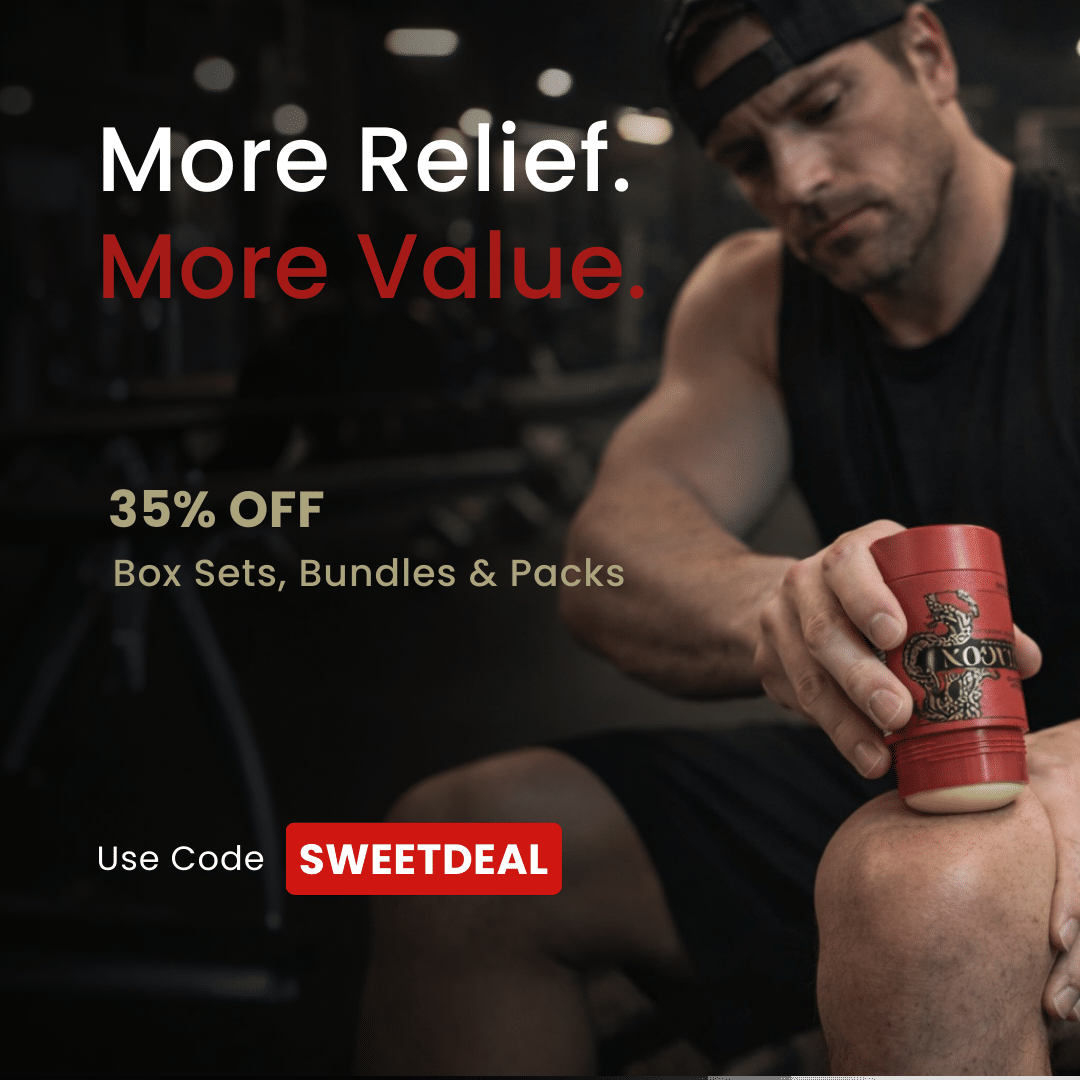
When you’re foam rolling and find a particularly stubborn knot, the advice is often to pause and apply gentle, steady pressure. This is the perfect moment to bring in extra support. Our Dragon Pain Relief Roll-Ups are designed for this exact purpose. The no-mess applicator lets you pinpoint relief directly on those sore spots without getting anything on your hands. The formula gets to work quickly, with menthol and camphor delivering a soothing sensation to ease discomfort. This allows you to relax into the stretch more effectively. Plus, our balms are infused with nano-emulsified cannabinoids, which provide added support for the active ingredients.
Choosing the Right Strength for You
Just as you adjust the pressure while foam rolling, you can also customize the level of topical support you receive. Your needs might change from day to day, and finding the right formula shouldn’t be a pain contest. We created different strengths to match your unique goals. Our Choose Your Strength guide can help, but here’s a quick overview. Our Regular Strength formula is great for everyday aches, while Extra and Maximum Strength options include a broader range of supportive, plant-based cannabinoids. These advanced formulas are ideal for post-workout recovery or for days when your back needs a little more attention, as the cannabinoids enhance the overall effect.
Take Your Relief On the Go
Your routine for managing back stiffness shouldn’t be confined to your living room floor. Just like there are small, portable foam rollers for travel, we designed our products to fit your active life. Our travel-sized roll-ups and jars are compact enough to toss in a gym bag, a desk drawer, or your carry-on. Whether you’re dealing with stiffness after a long flight, soreness from a hotel gym workout, or tension from a day of meetings, you can have reliable relief within reach. Having a portable solution means you can stay consistent with your self-care routine, no matter where your day takes you.
Putting It All Together: Your Upper Back Relief Plan
Finding lasting relief from upper back pain isn’t about a single magic fix. It’s about creating a smart, sustainable routine that works for your body and lifestyle. Think of it as building a personal toolkit for wellness. By combining gentle movement like foam rolling with targeted topical support, you can create a powerful plan to manage discomfort and keep your back feeling its best. The key is to be consistent, listen to your body, and adjust your approach as you go. This proactive strategy helps you stay ahead of stiffness and tension, so you can focus on living your life, not your pain.
Combine Rolling with Topical Relief
Foam rolling and topical relief are a perfect pair. Movement is your first step. As research from Healthline explains, foam rolling can effectively relieve tension, release muscle knots, and improve your range of motion. Once you’ve finished your rolling session, you can follow up with targeted support to soothe the area. Applying a topical analgesic helps complete your routine. The cooling sensation of menthol and camphor provides a comforting feeling right where you need it, while the roll-up applicator keeps your hands clean. This one-two punch helps you get the most out of your recovery.
Stay Consistent for the Best Results
The real benefits of any wellness routine come from consistency. Foam rolling a few times a week is more effective than one long, intense session every few months. As experts suggest, you should aim to do these exercises three to four times a week, even when your back feels better, to help prevent pain from returning. Try to build this into your existing schedule. Maybe you roll for five minutes after every workout or while you’re watching your favorite show in the evening. Creating a simple, repeatable habit makes it easier to stick with your plan and maintain long-term comfort and mobility.
Listen to Your Body and Adjust as Needed
Learning to listen to your body is one of the most important parts of any relief plan. Foam rolling should feel like a deep, satisfying massage, not a painful ordeal. If you feel any sharp pain, it’s a sign to ease up on the pressure or stop. Pay attention to how your back feels from day to day. You might notice that some spots are more tender after a long day at your desk or a tough workout. On those days, you can use a stronger formula like our Maximum Full Spectrum balm for added support, and a lighter formula on easier days. Adjusting your routine based on your needs is the key to a successful plan.
Related Articles
- The Truth About Shoulder Rolls for Pain Relief
- 10 Proven Natural Remedies for Back Pain
- How to Use a Roll-Up for Neck and Shoulder Pain
Frequently Asked Questions
Will foam rolling my upper back hurt? It should feel like a good deep tissue massage: intense, but ultimately relieving. There’s a big difference between the productive discomfort of working out a knot and sharp, stabbing pain. If you find yourself gritting your teeth or holding your breath, you’re likely applying too much pressure. Pain is your body’s signal to ease up or adjust your position.
How is foam rolling different from just stretching my back? Stretching is fantastic for lengthening your muscles and improving flexibility. Foam rolling works a bit differently by applying direct pressure to your muscles and the connective tissue around them, known as fascia. Think of it as a form of self-massage that helps release specific, stubborn knots and tight spots that stretching alone might not reach.
How often should I foam roll to actually feel a difference? Consistency is much more important than intensity. You’ll see better results by rolling for 5 to 10 minutes a few times a week rather than doing one long, aggressive session once a month. Making it a regular part of your routine, like after a workout or before bed, helps manage tension before it builds up.
Why is it so important to avoid foam rolling my lower back? Your upper back is supported and protected by your rib cage and shoulder blades, making it stable enough for foam rolling. Your lower back, however, doesn’t have this bony structure for support. Rolling directly on your lumbar spine can cause the surrounding muscles to tighten up to protect it, which is the opposite of the release you’re looking for.
Should I use a topical relief product before or after I foam roll? For the best results, apply your topical product after you finish foam rolling. The rolling session helps release tension and increase blood flow to the area. Following up with a product like a Dragon Pain Relief Roll-Up allows the soothing ingredients, such as menthol and camphor, to target the muscles you just worked on, completing your recovery routine.